
Last updated November 18, 2026
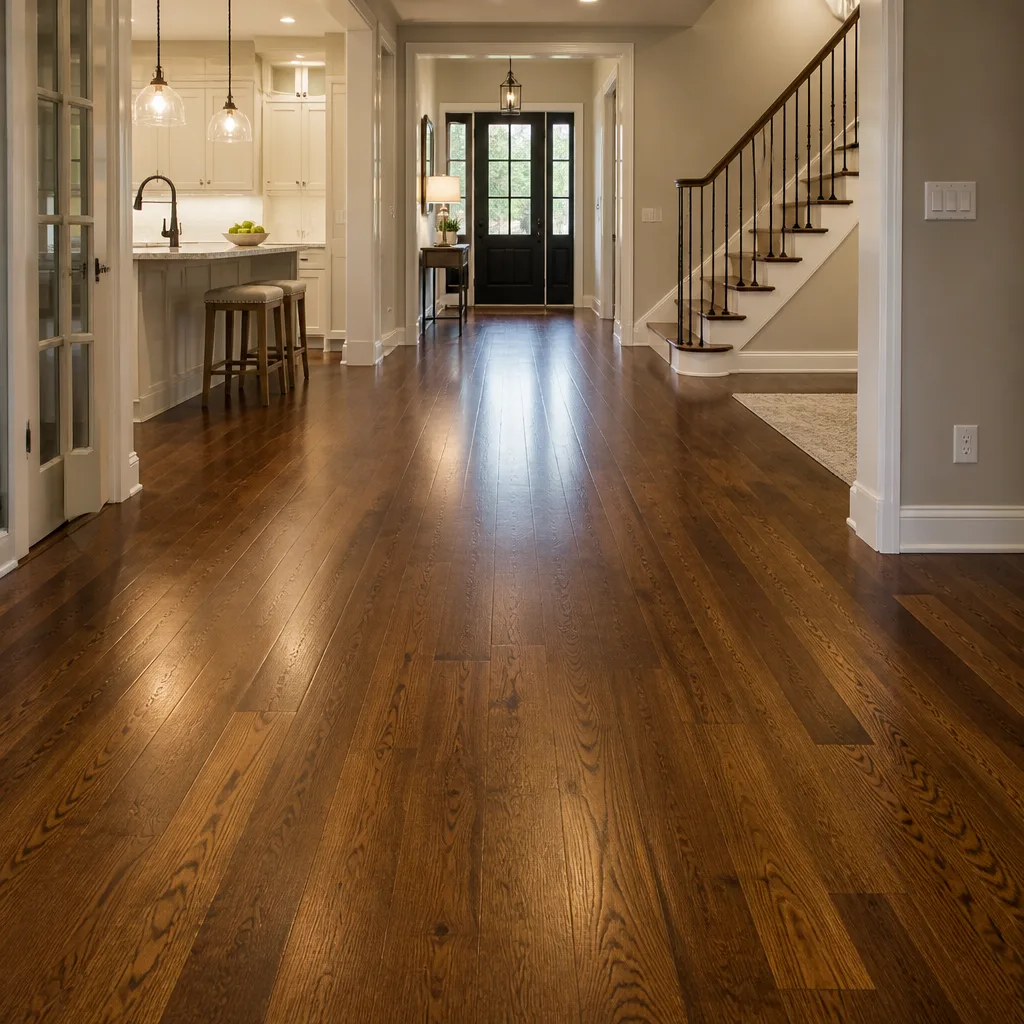 Hardwood
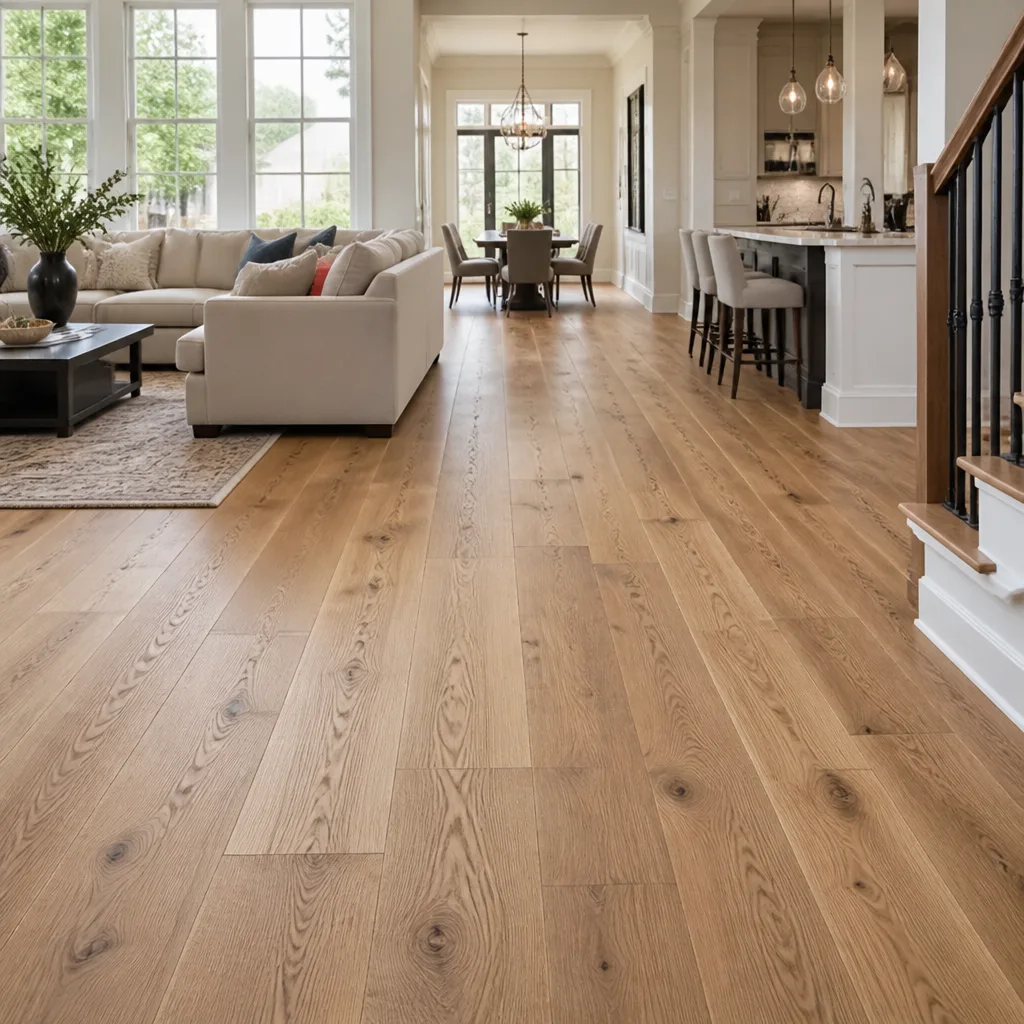 Engineered hardwood
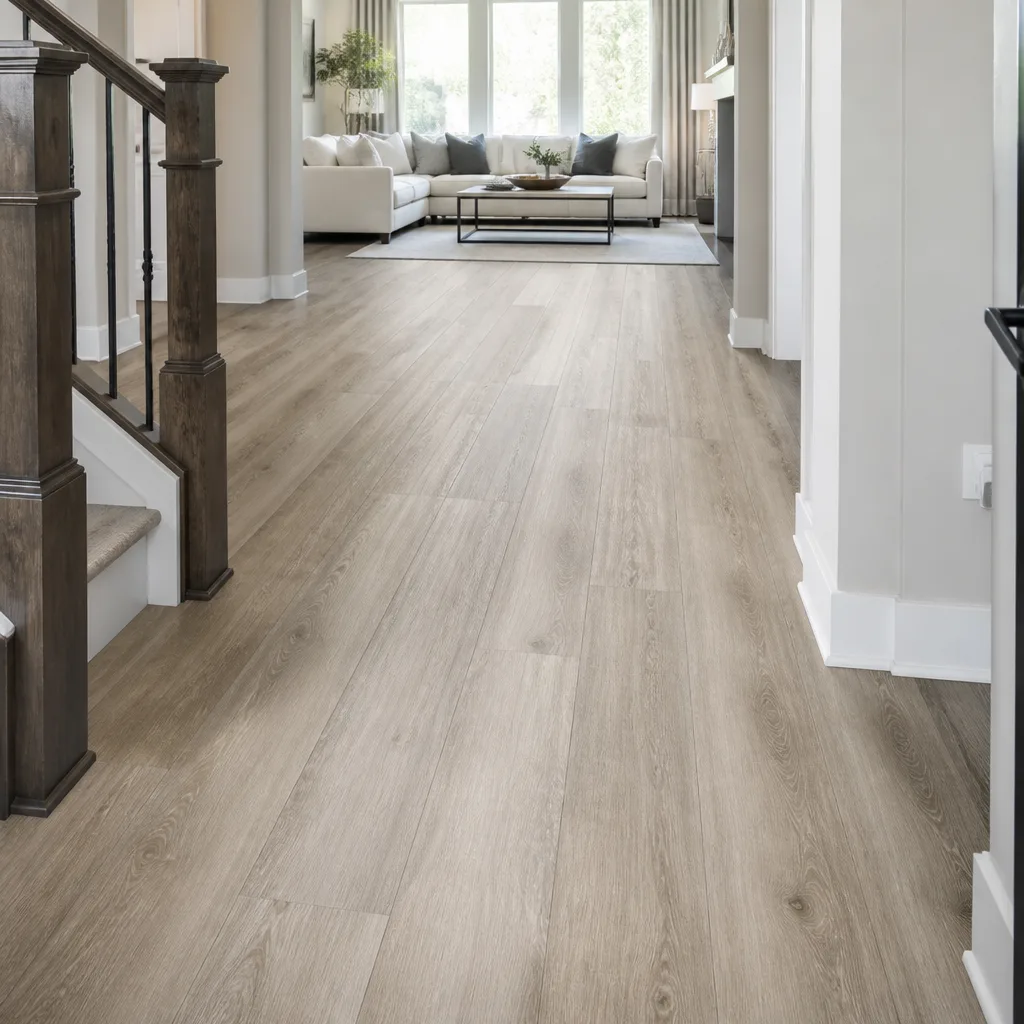 Luxury vinyl plank
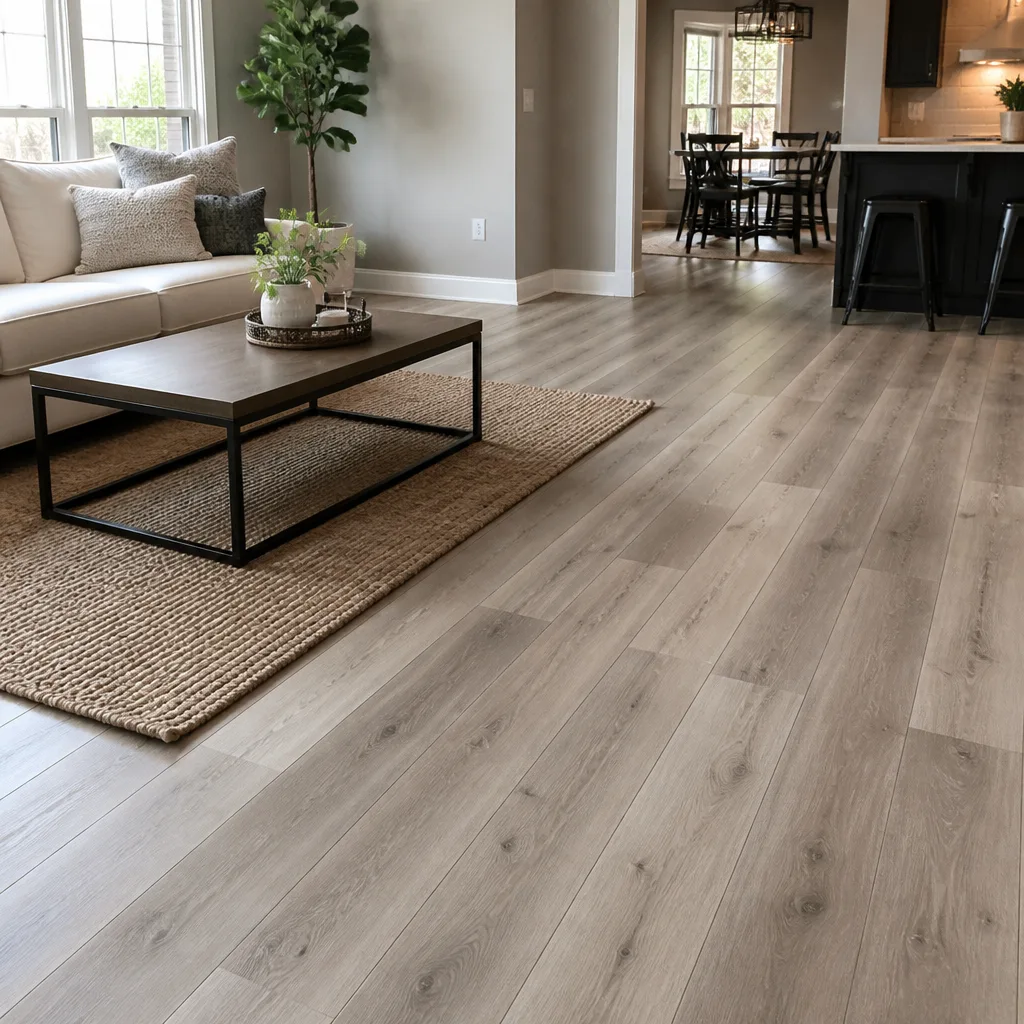 Laminate
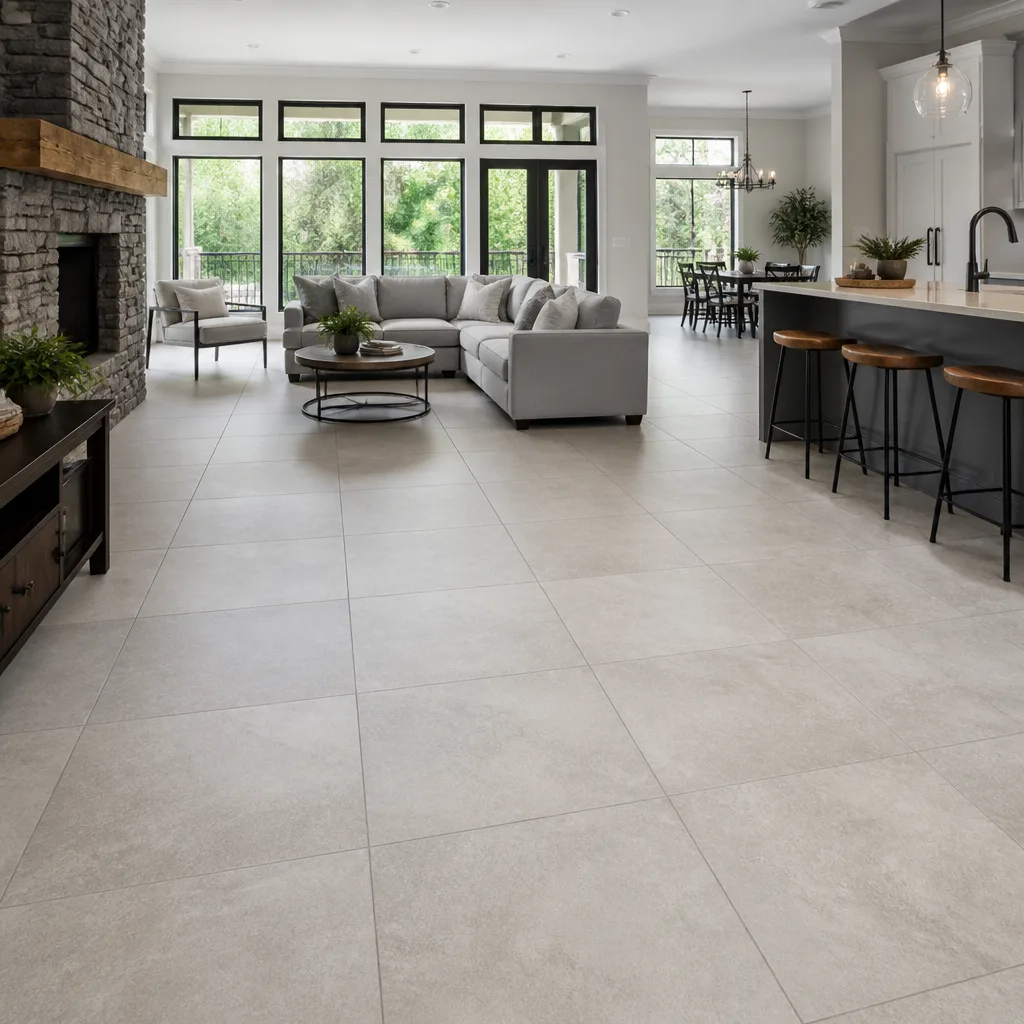 Porcelain tile
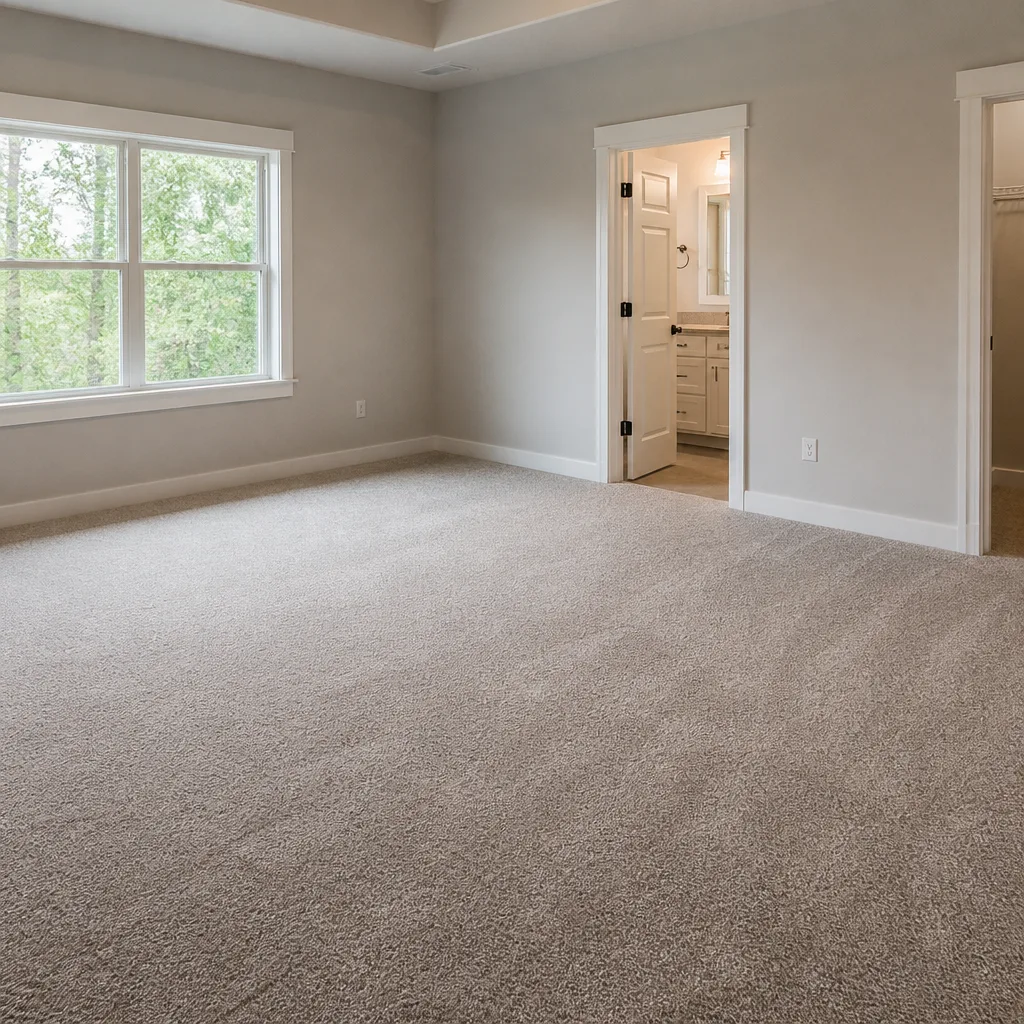 Carpet
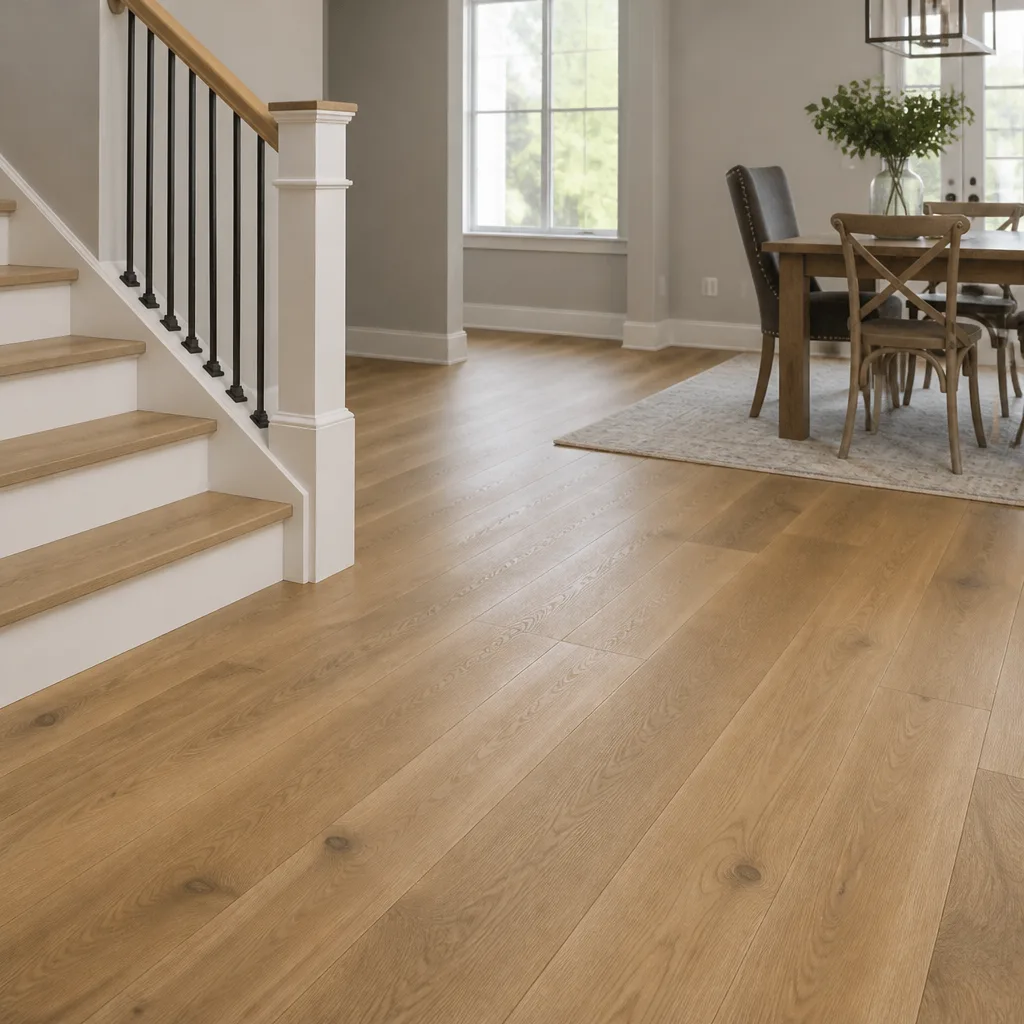 Shaw
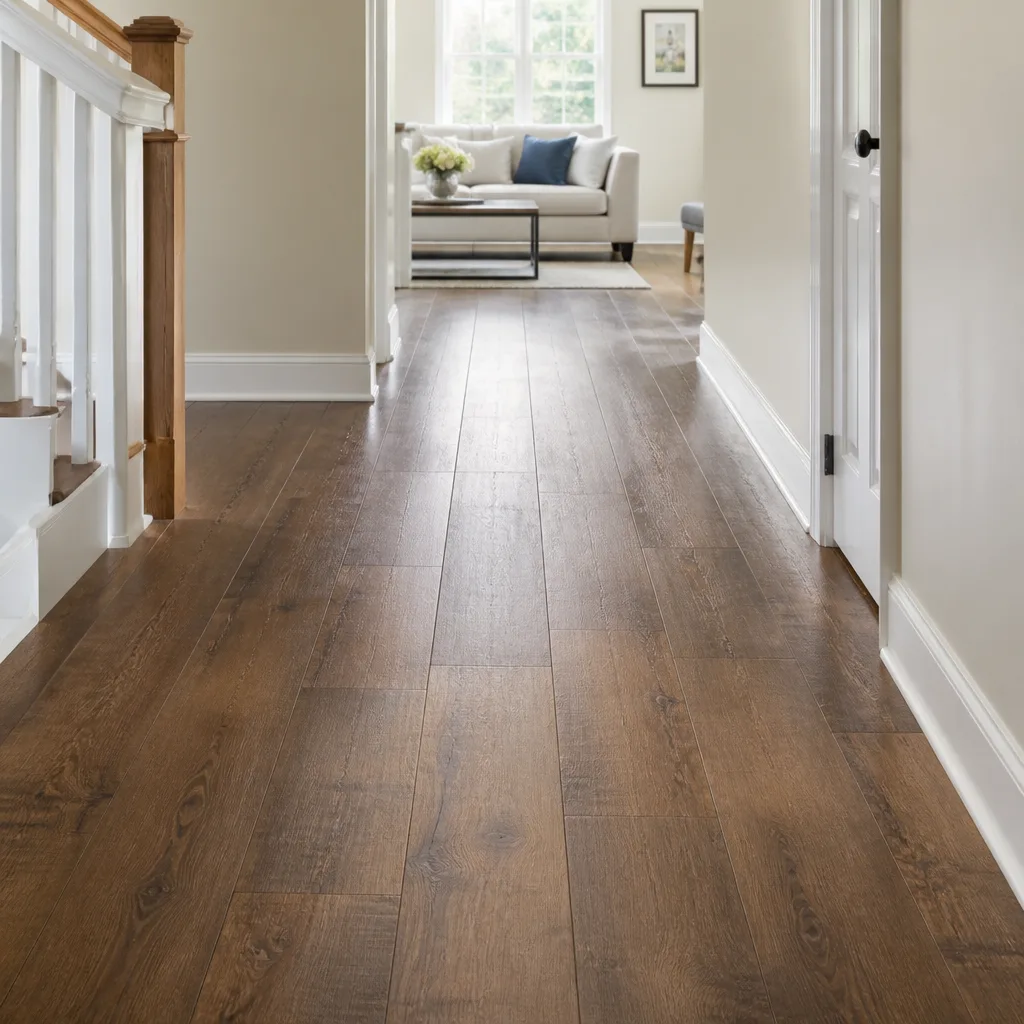 Mohawk
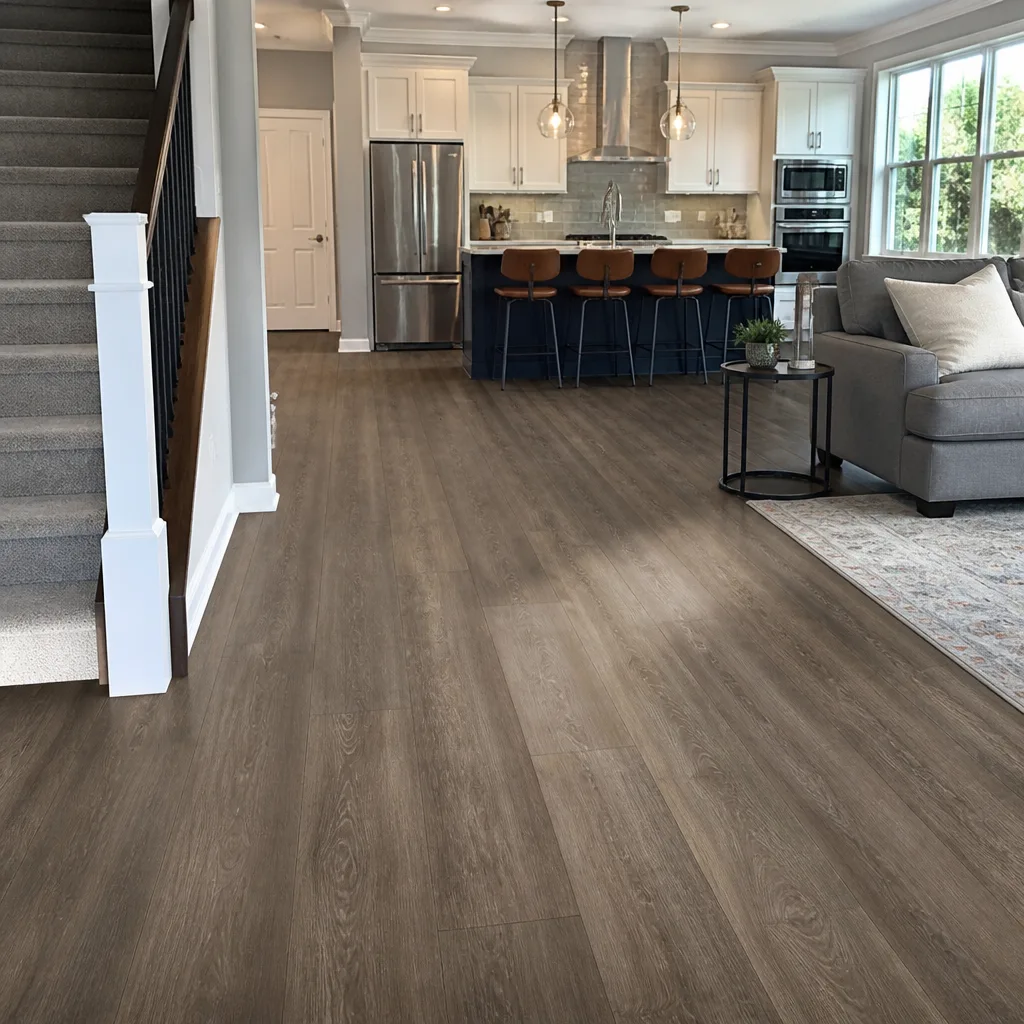 COREtec
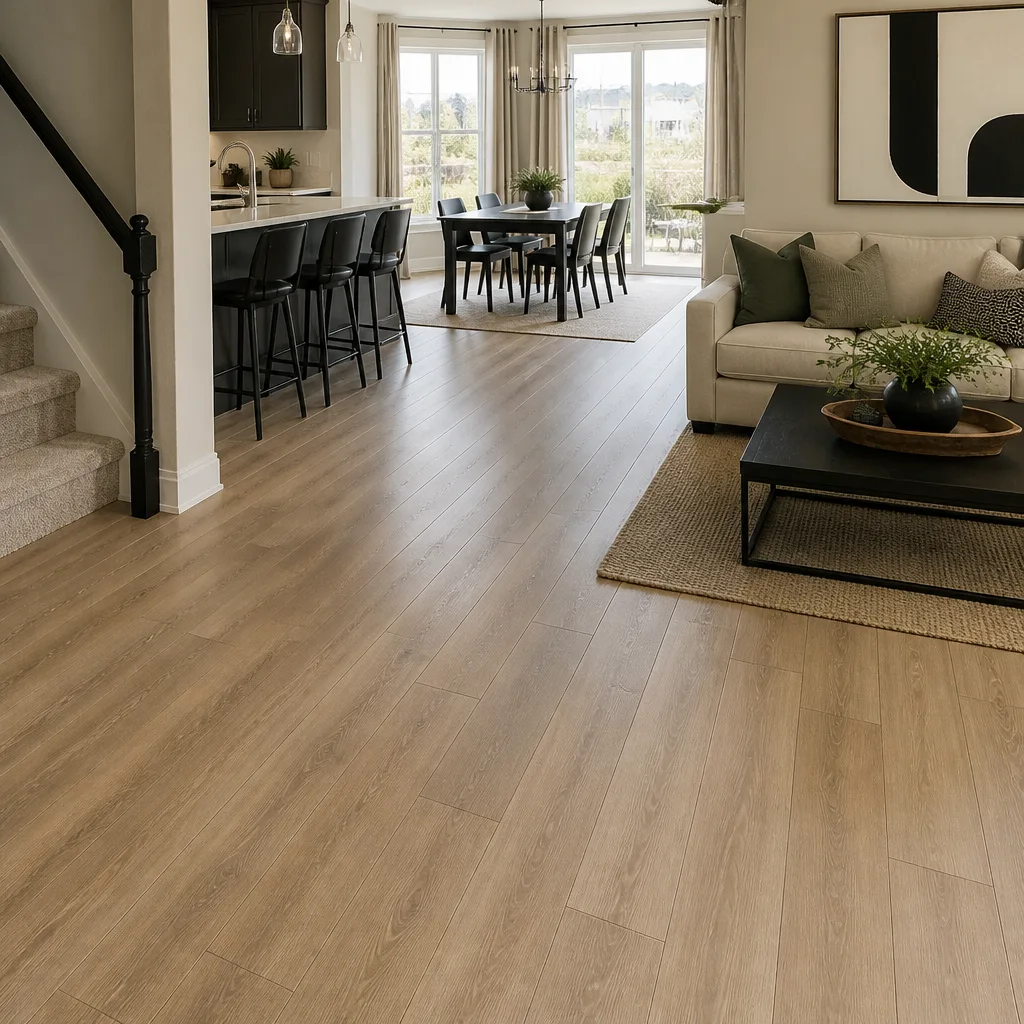 Pergo
Free in-home measure and written estimate: Shaw, Mohawk, COREtec and Pergo lines compared on your own rooms, with carpet, tile, vinyl plank, laminate and hardwood laid out side by side
Get your free estimateFlooring Cost Breakdown: The Winchester Homeowner’s Reference for 2026
Two flooring bids that land $800 apart are rarely $800 apart on material. More often, they’re quoting the same carpet or the same tile, and the gap sits in what one contractor wrote down and the other quietly left out: subfloor prep, tear-out, disposal, a transition strip at the doorway. A single lump-sum number hides all of it. This reference splits the flooring bid into its actual parts – material by tier, labor by task, waste factors by product, and the cost drivers specific to flooring work in Winchester – so you can put two quotes side by side and see where each one really lands. By the end you’ll know what a fair line-item quote looks like and how to spot the underpriced one that turns into a change order.
Quick Answer
Flooring installation in Winchester typically runs from the low single digits per square foot for entry-level carpet up to the mid teens or higher for designer tile and premium luxury vinyl, with hardwood refinishing usually priced per square foot of floor rather than by material. The total you pay is a stack of four separate things: material, labor, subfloor prep, and tear-out and disposal. The written estimate you receive after an in-home measure sets the final price, and any quote you can’t break into those four parts is a quote you can’t compare.
Styles & brands we work with
- Hardwood
- Engineered hardwood
- Luxury vinyl plank
- Laminate
- Porcelain tile
- Carpet
- Shaw
- Mohawk
- COREtec
- Pergo
Table of Contents
- Why Flooring Bids Confuse Homeowners: The Four-Layer Cost Stack
- Material Cost by Tier: Carpet, Tile, Luxury Vinyl, and Hardwood Refinishing
- What Labor Actually Covers – and What It Doesn’t
- Waste Factors: Why Your Real Square Footage Is Higher Than Your Room Measurement
- Nevada Cost Drivers: Slab Prep, Material Delivery, and Access
- How to Read a 2026 Quote Line by Line
- Refinish Before You Replace: The Hardwood Cost Question
- Spotting the Underpriced Bid Before It Becomes a Change Order
Why Flooring Bids Confuse Homeowners: The Four-Layer Cost Stack
Every honest flooring quote is a stack of four costs, and only one of them is the floor you can see. Material is the product itself. Labor is the flat work of installing it. Subfloor prep is whatever has to happen before the first plank or tile goes down – leveling, patching, sometimes moisture work. Tear-out and disposal is removing what’s there now and getting it out of your house. A bid that shows only a single lump sum is technically a bid, but it tells you nothing about which of those four layers got included.
Here’s why that matters so much in practice. Two contractors can buy the same LifeProof plank at very nearly the same price and still land hundreds of dollars apart, because one budgeted for grinding a high spot in the slab and the other didn’t. The material cost was nearly identical. The prep line was the whole story.
When we walk into a home in Winchester, the conversation usually starts with the room and ends with the subfloor. Both matter, but the subfloor is where quotes quietly diverge.
Separate your quote into these four columns and the comparison gets simple:
- Material – product, brand, and tier, priced per square foot
- Labor – install only, priced per square foot
- Prep – leveling, patching, underlayment, moisture handling
- Tear-out and disposal – removal, hauling, dump fees, transitions and trim
If any of those four is missing from a bid, ask where it went. It’s either genuinely not needed for your room, or it’s been left off to make a number look smaller than the job will actually be.
Material Cost by Tier: Carpet, Tile, Luxury Vinyl, and Hardwood Refinishing
Material is the easiest part of the stack to price, as long as you compare like tiers. Entry, mid, and designer are our shorthand for three broad bands, and the bands hold their shape across product categories. The numbers below are typical estimated ranges for Winchester, framed per square foot so you can sanity-check a quote. The written estimate is what actually sets your price.
| Product | Entry Tier | Mid Tier | Designer Tier |
|---|---|---|---|
| Carpet (installed material) | Low end: durable basic styles | Mid range: softer face, better backing | Upper range: premium fiber and design |
| Tile (glazed porcelain, ceramic) | Low end: standard porcelain | Mid range: larger formats, better finish | Upper range: Daltile designer surfaces |
| Luxury vinyl plank | Pergo, Armstrong entry lines | LifeProof, COREtec mid lines | Karndean designer textures |
| Hardwood refinishing | Sand and finish, standard | Stain and finish upgrades | Specialty finishes, repair work |
The brands we supply sit across those bands. Mannington and Armstrong land in the everyday-durable territory. LifeProof and COREtec cover households that want water resistance and pet-friendly surfaces. Daltile brings glazed porcelain into the mix, and Karndean covers the design-led end. Nine brands, one conversation – which matters most when you’re comparing three quotes and each one names a different product. We can price all three on the same visit instead of sending you to a showroom to chase them down.
Two notes before you start comparing numbers. First, carpet is priced with both material and labor in most quotes because pad and installation are inseparable from the product. Second, hardwood refinishing isn’t a material price at all – it’s a labor price on the floor you already own, and we cover that relationship in its own section below.
What Labor Actually Covers – and What It Doesn’t
Labor gets the least attention in a flooring quote and quietly drives most of the cost on the hard-surface side of the job. What you’re paying for is the skill and time to lay the product properly: pattern layout, cutting, setting, grouting, sealing where needed, and finishing at the edges. On tile, that number climbs quickly because the material itself is fussy. On luxury vinyl plank it’s more forgiving, but the layout and edge work still take real time.
Here’s the part most quotes bury: labor often doesn’t include everything a homeowner assumes. Tear-out is usually a separate line. Disposal and hauling is a separate line. Subfloor leveling is a separate line, and on concrete slab – which is what most homes in Winchester sit on – leveling is the line that eats bids alive. Transitions between rooms, baseboard removal and reinstall, and doorway trim are their own items too.
What labor should include when it’s quoted honestly:
- Tear-out – pulling up the existing floor, priced separately or folded into a line you can see
- Disposal – hauling the old material out and the dump fees that come with it
- Subfloor leveling – grinding high spots, patching low spots, or adding underlayment
- Transitions – thresholds and strips at doorways and where two surfaces meet
- Trim – baseboard removal and reinstall, or the cost of not touching it
Ask any contractor to walk you through that list before they quote a number. If they can’t tell you which of those items is in their price, you don’t yet know what you’re buying. Our tile flooring installation work, for example, always prices prep and setting separately from the tile itself, because a tile install that skips prep is a tile install that fails.
Waste Factors: Why Your Real Square Footage Is Higher Than Your Room Measurement
Your room measurement is not the amount of flooring you need to buy. Every material has a waste factor, because cutting around doorways, corners, and the run along a wall leaves usable offcuts that can’t go anywhere. Quoted area in a good bid always exceeds measured room area, and the gap varies by material.
Tile is the largest waste factor of the four we work with. Cuts at edges, cuts around fixtures, and pattern matching all consume material that doesn’t end up on the floor. Plank products waste less because the boards are long and the cuts are simpler – but they still waste. Carpet has its own rule, driven by room width and roll direction, and it’s often quoted by the rolls the room requires rather than the raw square footage. Hardwood refinishing doesn’t involve new material at all, but if you’re replacing boards that are too damaged to sand, that repair material gets quoted on top.
Why does this matter for your budget? Because a bid that prices your tile at the room’s measured square footage and a bid that prices it at the actual ordered square footage will land at very different totals even if the per-square-foot number looks the same. When you compare quotes, ask each contractor how much material they’re pricing and why. A quote that fully discloses its waste factor is a quote that won’t surprise you with a change order on install day.
The same logic applies to carpet installation. Pad, tack strip, and the seam layout all contribute, and a room measured at one number can require meaningfully more material ordered once the roll direction is set. Ask what’s included in the price you’re comparing.
Nevada Cost Drivers: Slab Prep, Material Delivery, and Access
Flooring costs in Winchester carry a few local forces that homeowners relocating from another state don’t anticipate. The first is concrete slab. Much of the housing stock here sits on slab rather than a raised wood subfloor, and slab is unforgiving. It doesn’t flex to absorb a dip, so any high or low spot has to be leveled before tile or plank goes down. Slab prep is a real line item in most Winchester quotes, and skipping it is one of the fastest ways to get an inexpensive bid that fails a year later.
The second is delivery. Winchester is a smaller metro, which means the range of local suppliers is narrower and some products have to travel further to reach us. Delivery costs and lead times show up on specialty and designer products more than on entry-level durables. That’s one reason brand access matters: with nine brands on one conversation, we can often find a comparable product that’s closer to the job instead of waiting on a special order.
The third is access. Homes in Winchester vary widely from single-story slab builds to multi-level properties where material has to be carried up stairs and old flooring has to come down. Stairs, tight hallways, and awkward parking add labor time. None of that shows up in a per-square-foot rate, which means it has to be quoted as its own line or it becomes a change order later.
The best way to compare Winchester quotes is to make sure each one prices slab prep, delivery, and access explicitly. If any of those three is invisible in a bid, ask where it went. Our Winchester service area page gives a fuller picture of how these local factors play out block by block.
How to Read a 2026 Quote Line by Line
A fair quote is legible. You should be able to look at each line and understand exactly what you’re paying for. Here’s the sequence we recommend for reading any flooring bid, in order:
- Start with the material line. Confirm the brand, product, and tier. If it says “vinyl plank” without a brand and product name, ask which one. Those details decide everything downstream.
- Find the ordered square footage. Compare it to your measured room area. If the ordered area equals the measured area with no waste factor, the bid is either underpricing the real material or the contractor is planning to pad the change order on install day.
- Check for tear-out and disposal. Both should appear, or one line should explicitly say it covers both. Missing disposal is a common gap.
- Look for subfloor prep. On a slab home in Winchester, prep is almost always needed. A bid with no prep line on a slab job is a bid that will revise upward.
- Confirm transitions and trim. Doorway strips, thresholds, and baseboards should be itemized or explicitly excluded so you know what’s coming.
- Read the exclusions. A good quote tells you what it doesn’t cover. If there are no exclusions listed, assume nothing is excluded and ask.
- Compare like to like. Match each line on bid A to the same line on bid B. Where a line exists on one and not the other, that’s where the price gap lives.
Once you’ve done this for three quotes, the differences are usually obvious. And the lowest number is rarely the lowest total.
If you’re comparing material options as part of the same decision, our Flooring Winchester team can walk you through how each brand compares for your actual household – the recommendation you get from a specialist who works in that material every week is usually more useful than a generalist’s guess.
Refinish Before You Replace: The Hardwood Cost Question
One of the first questions we hear about hardwood is whether to replace it. The honest answer is usually no, and refinishing is why. Sand and finish restores the surface of the wood you already have, which means you pay for labor rather than new material. The material you’re keeping is already on your floor.
Refinishing isn’t right for every floor. Whether your floor can be refinished at all depends on the thickness of the wood and its condition, and neither is something to guess from the doorway. We check both at the estimate visit. A floor with a careful past and healthy thickness is usually a refinish job; a floor that’s been sanded too many times or has significant board damage may need repair or partial replacement – priced separately.
When refinishing does work, the cost picture is genuinely different from an install. You’re not buying planks. You’re paying for sand, prep, stain, and finish on a surface that’s already yours, plus any repair work. That usually comes in below the fully-loaded cost of a new hardwood floor, and it preserves original character that new material can’t reproduce – but we don’t quote a savings figure because it depends entirely on your floor.
The refinishing process, in broad strokes:
- An in-home measure and condition check, at no charge
- A written estimate covering sand, prep, refinish, and any repair work found
- A booked refinish day once you accept the estimate
- Finish cure, set by the product instructions and the estimate
Refinishing is the cheaper first option in most hardwood decisions. It’s also the one homeowners skip because they assume “replace” is the only path, and it isn’t.
Spotting the Underpriced Bid Before It Becomes a Change Order
An underpriced bid is not a scam. It’s usually just a bid that priced the room and forgot the job. The gap tends to fall into predictable categories, and if you know them, you can spot the trouble before you sign.
The most common offenders:
- No subfloor prep line on a slab home. Prep is nearly always needed in Winchester, so a bid without it is a bid priced for a different house.
- Ordered footage equal to measured footage. No waste factor means either a surprise on install day or a floor that skips the last corner of a run.
- No tear-out or disposal line. Someone has to remove the old floor and haul it. If it isn’t in the bid, it’s coming.
- Delivery excluded. Specialty and designer products often carry delivery costs. Confirm it’s in or out.
- Trim and transitions as “extra.” If these become add-ons after the price is set, they’ll be priced at the contractor’s convenience, not yours.
- No exclusions section. A quote that promises everything is usually a quote that delivers the minimum.
The best protection against a change order is a written estimate that itemizes material, labor, prep, and tear-out separately. When the estimate is written, the price is set. When it’s verbal or lumped, the price is a placeholder.
Common Mistakes to Avoid
- Comparing per-square-foot rates without comparing what’s in them. Two rates of the same dollar figure can hide very different scope. A per-square-foot number that includes prep and one that doesn’t are not the same product.
- Assuming your old floor doesn’t need tear-out priced. Even floors that “look easy” to remove still have to be pried up, bundled, and hauled. It’s a real line, and it’s often the one bidders skip to look cheaper.
- Ordering material off the measured square footage. Every material has waste. On tile in Winchester, cutting around the layouts we see most runs into real overage. Skip the waste factor and you’ll be short at the worst possible time.
- Picking a product before checking how you actually live in the room. A carpet choice that looks fine in a hallway gets wrecked in a mudroom. Match the material to the space, not the sample board.
- Assuming a hardwood floor needs replacement when it may only need refinishing. Refinishing is often the smarter first option. Ask for a condition check before quoting a full replacement.
- Skipping the in-home measure. A phone quote on a floor is a guess. Slab condition, tear-out scope, and doorway logistics can all move the number, and none are visible without seeing the room.
- Ignoring the exclusions section. If a written quote doesn’t say what’s excluded, ask. “Everything is included” is a phrase that rarely survives contact with install day.
See the difference
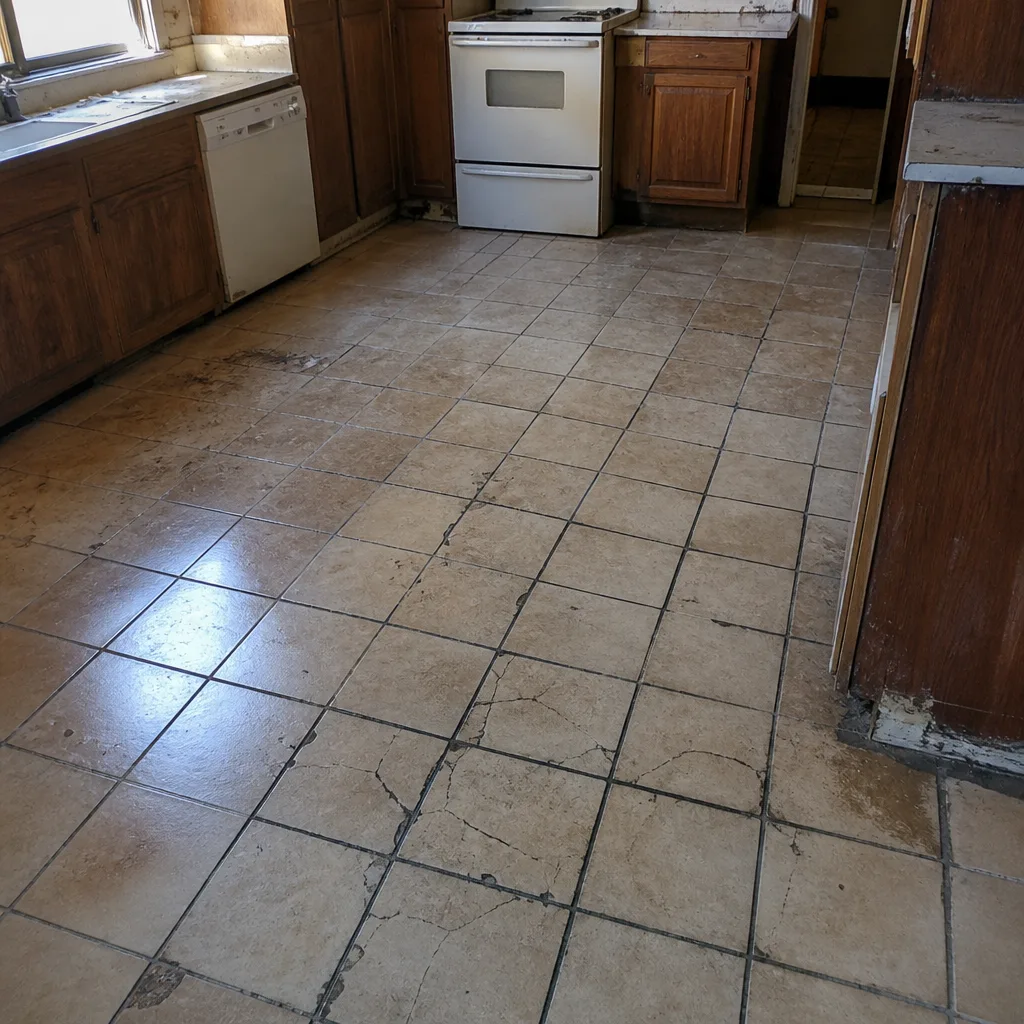 Before
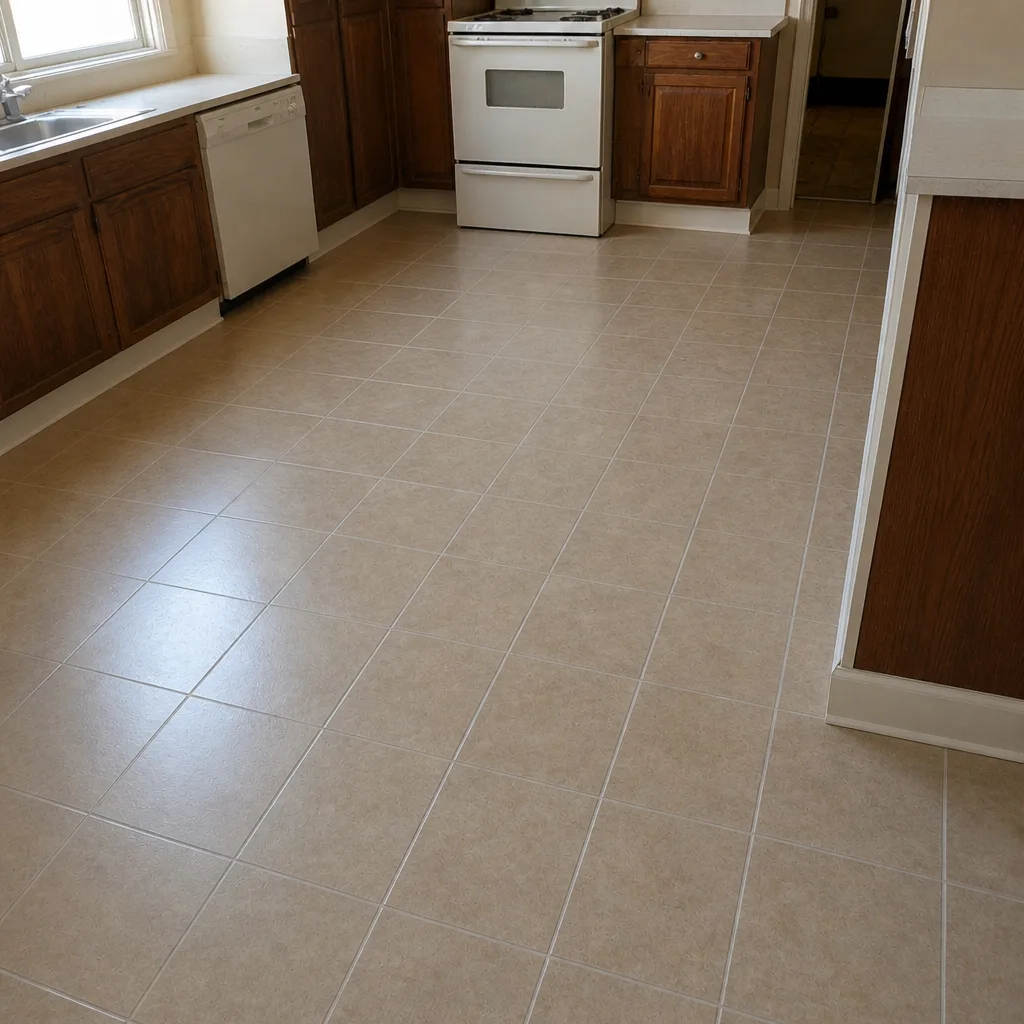 After
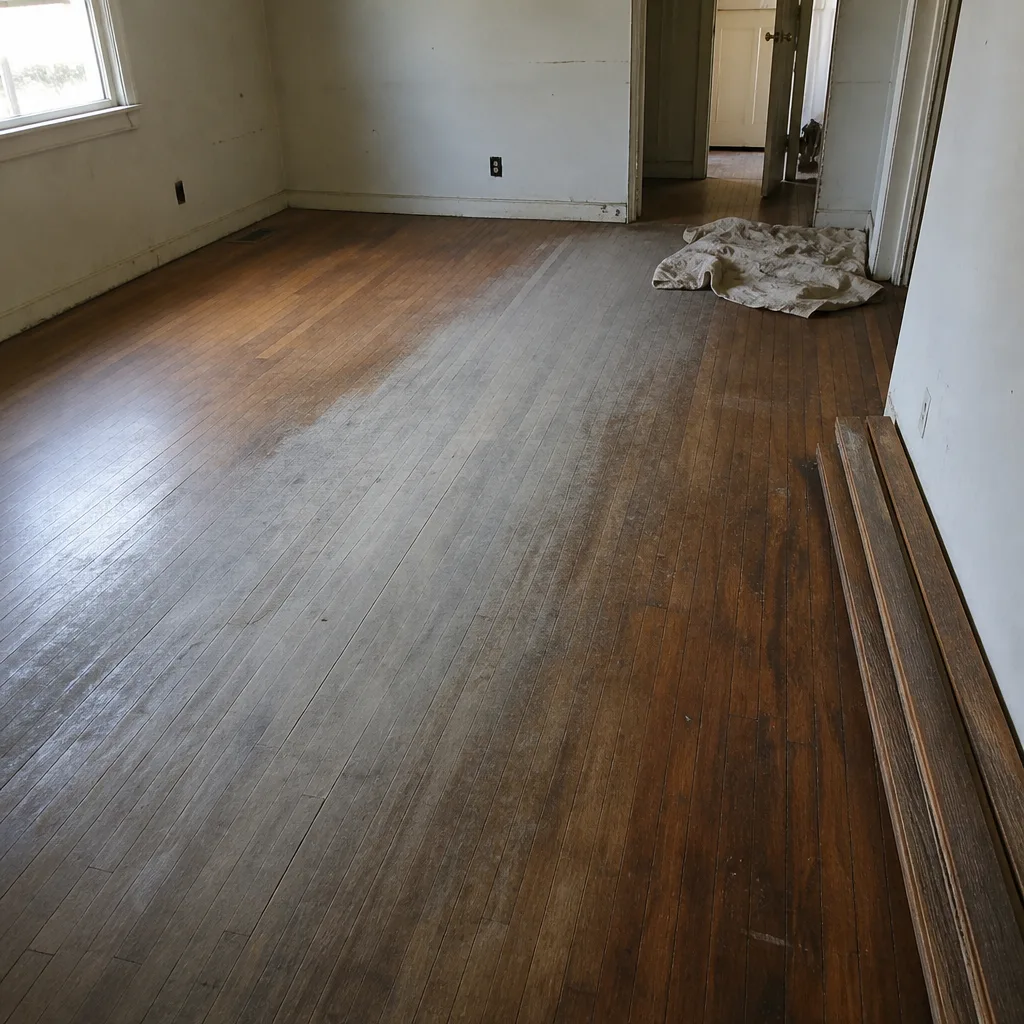 Before
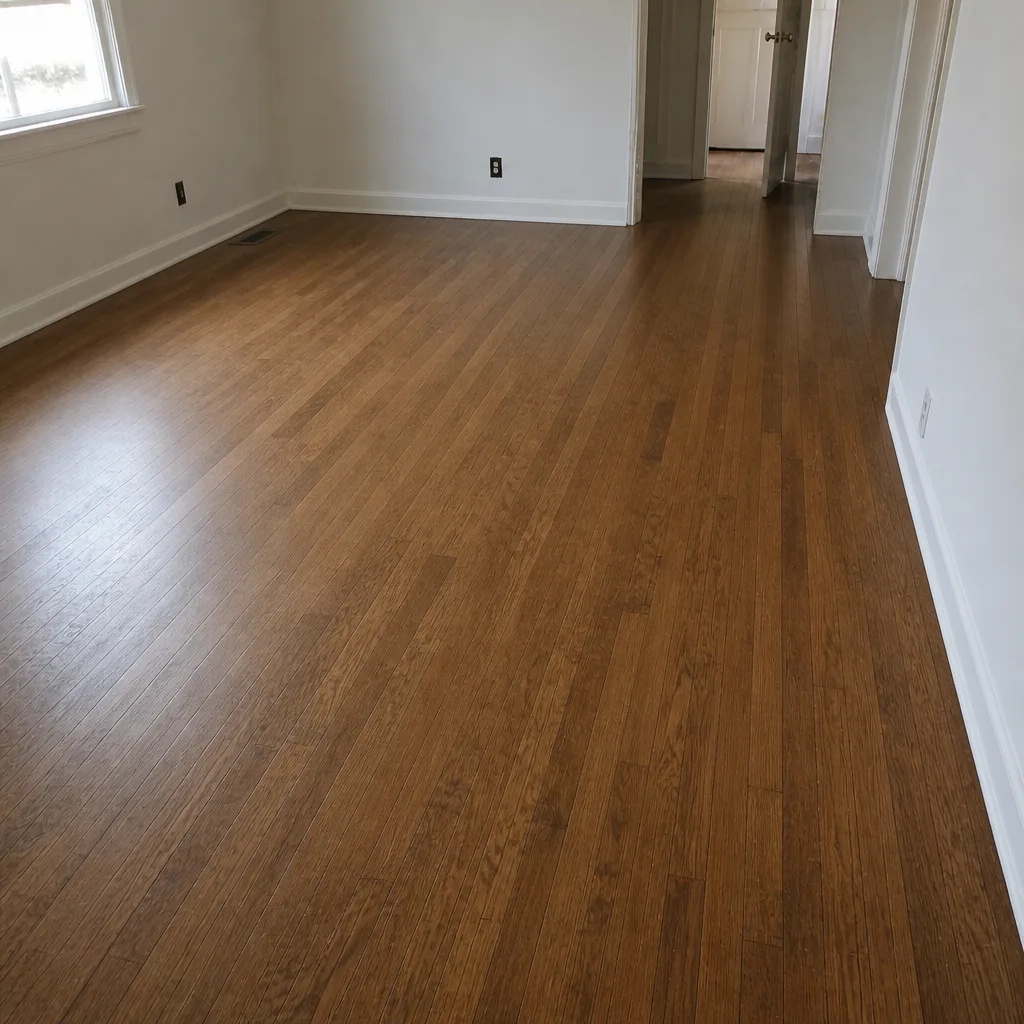 After
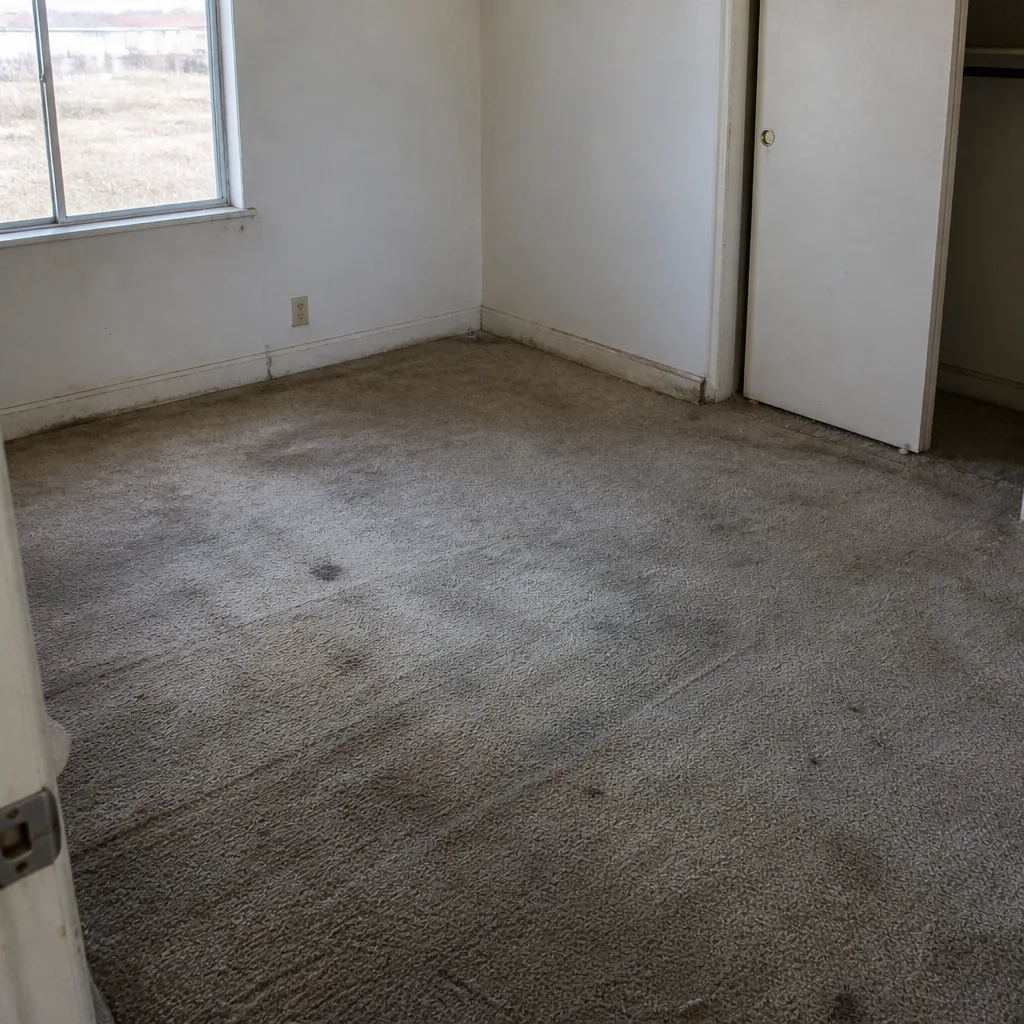 Before
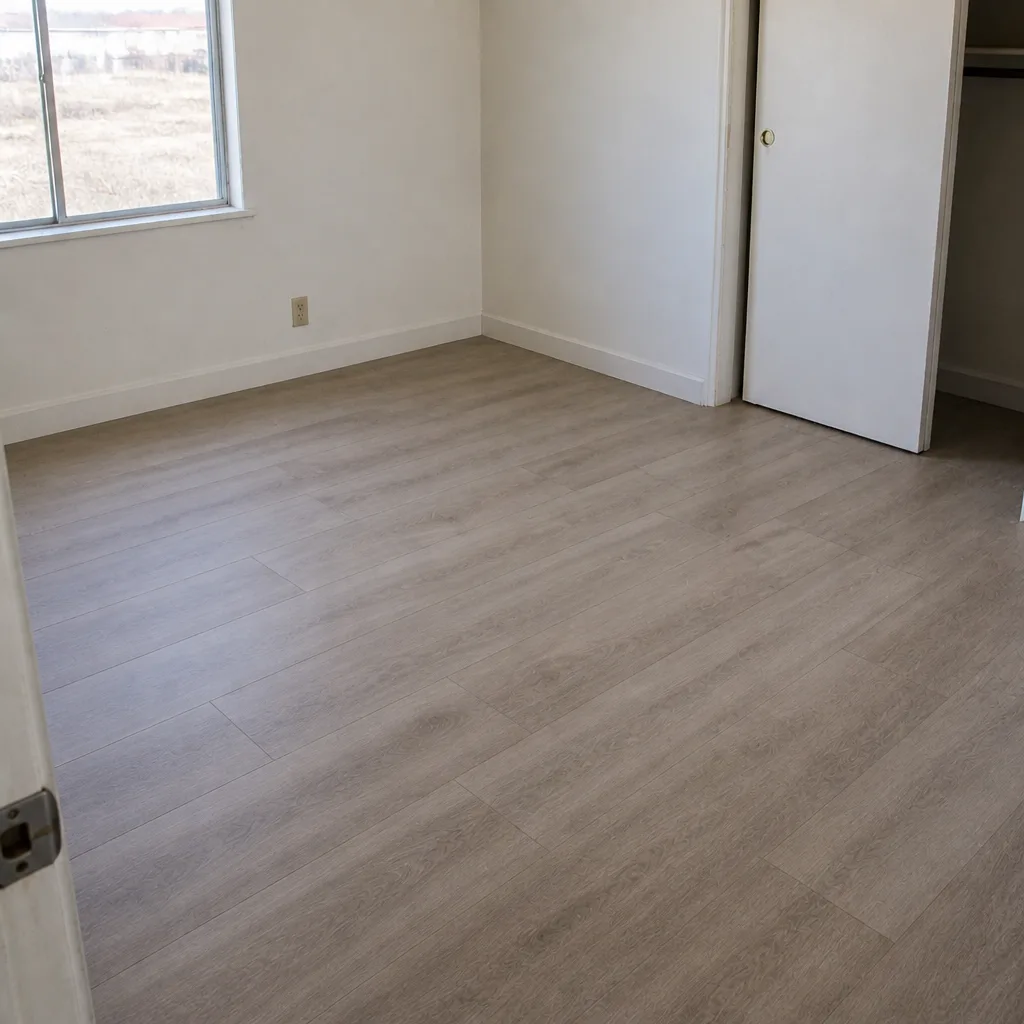 After
When to Call a Professional
Some flooring questions belong on the phone, and some jobs really are DIY. The calls that matter are the ones involving material decisions, subfloor conditions, and any hardwood refinishing. If you’re choosing between brands and tiers, we can price all nine in one conversation instead of sending you to three different suppliers. If your floor is on a slab and you aren’t sure whether the surface is level, or if you’ve got a hardwood floor you’d rather refinish than replace, that’s a conversation worth having before you buy a thing. Slab prep and refinishing aren’t jobs where the error hides; they fail visibly a while later. Flooring Winchester offers free estimates in Winchester – call (844) 761-8337. We answer 24/7. Fast dispatch from 7am to 7pm, Sunday through Friday.
Frequently Asked Questions
Flooring installation in Winchester typically ranges from entry-level carpet at the low end of the price scale up through designer tile and premium luxury vinyl at the higher end, with hardwood refinishing priced separately per square foot. The final number depends on material, labor, subfloor prep, and tear-out. Call (844) 761-8337 for an exact quote – estimates are free.
Yes, the in-home measure and written estimate are free. There’s no service-call fee, diagnostic fee, or trip charge, and no fee “credited toward the work” either – the estimate is just the estimate. The written price that follows sets the final cost.
The install length depends on the material, the size of the job, subfloor condition, and any tear-out. Rather than promise a fixed number of days, we set the schedule at the estimate once we’ve seen the room. That way the timing you’re told matches the job you’re actually getting.
In most homes here that sit on a concrete slab, yes – subfloor prep is a real line item, not an optional add-on. Slab surfaces don’t flex, so high and low spots have to be leveled before tile or plank goes down. The best way to know for your specific floor is an in-home measure. Call (844) 761-8337 to schedule a free estimate.
Often, yes. Whether a floor can be refinished depends on the thickness of the wood and its condition, both checked at the estimate visit. Refinishing usually costs less than full replacement and preserves the original wood. We can’t promise every floor can be refinished, but it’s the first thing we look at.
Usually because a line was left off, not because the price is a bargain. The three most common gaps are missing subfloor prep, missing tear-out and disposal, and missing waste factor on material. Ask each contractor to itemize. Call (844) 761-8337 if you’d like us to walk you through the comparison.
The Bottom Line
The gap between a low bid and a high bid is almost never material cost. It’s what got included in prep, tear-out, disposal, waste, and trim – and what didn’t. Once you split a quote into those four columns and price material by tier, comparing Winchester flooring bids becomes a genuine comparison instead of a guess. On a slab home, subfloor prep is the line that matters most. On hardwood, refinishing before replacing is often the smarter first option. Fix the estimate before you fix the floor, and the rest gets simple. Call (844) 761-8337 for a free in-home estimate. We answer 24/7. Fast dispatch from 7am to 7pm, Sunday through Friday.
Written by the team at Flooring Winchester.