
Last updated November 18, 2026
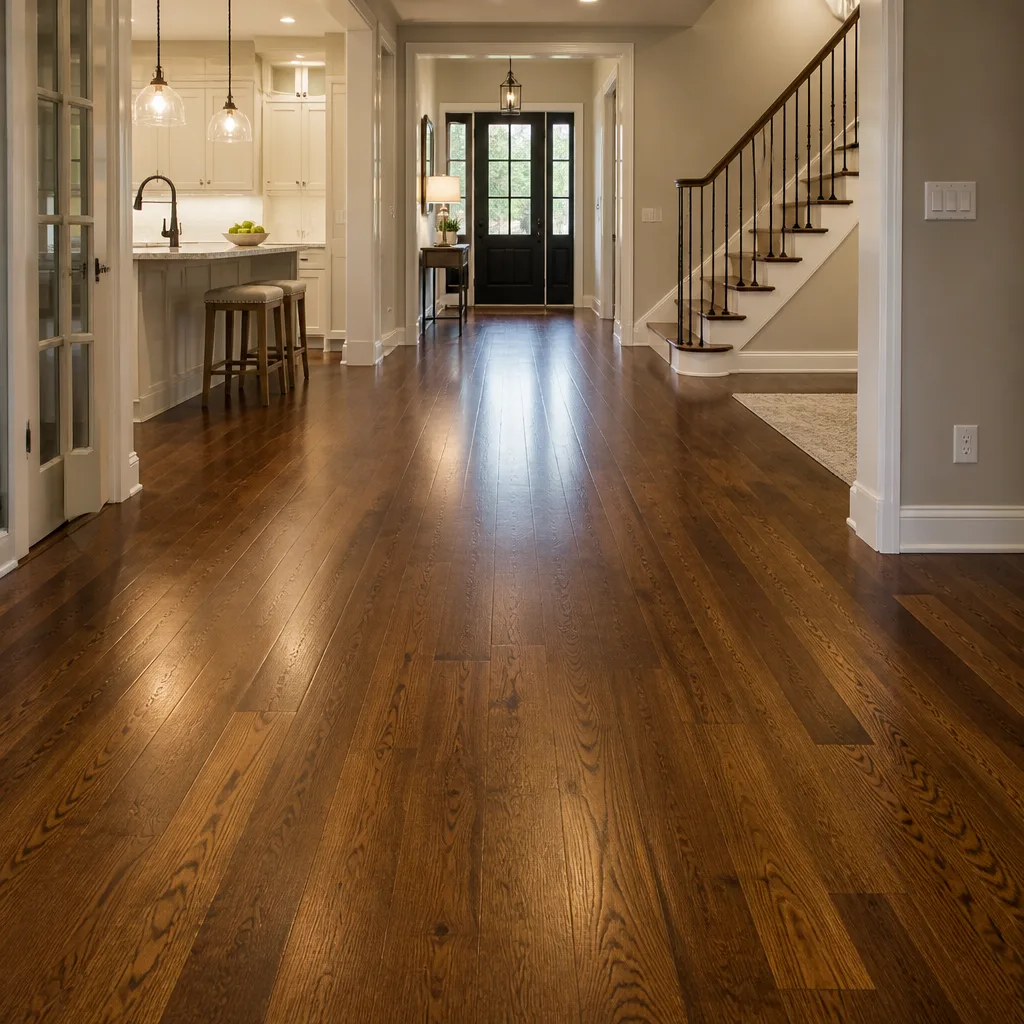 Hardwood
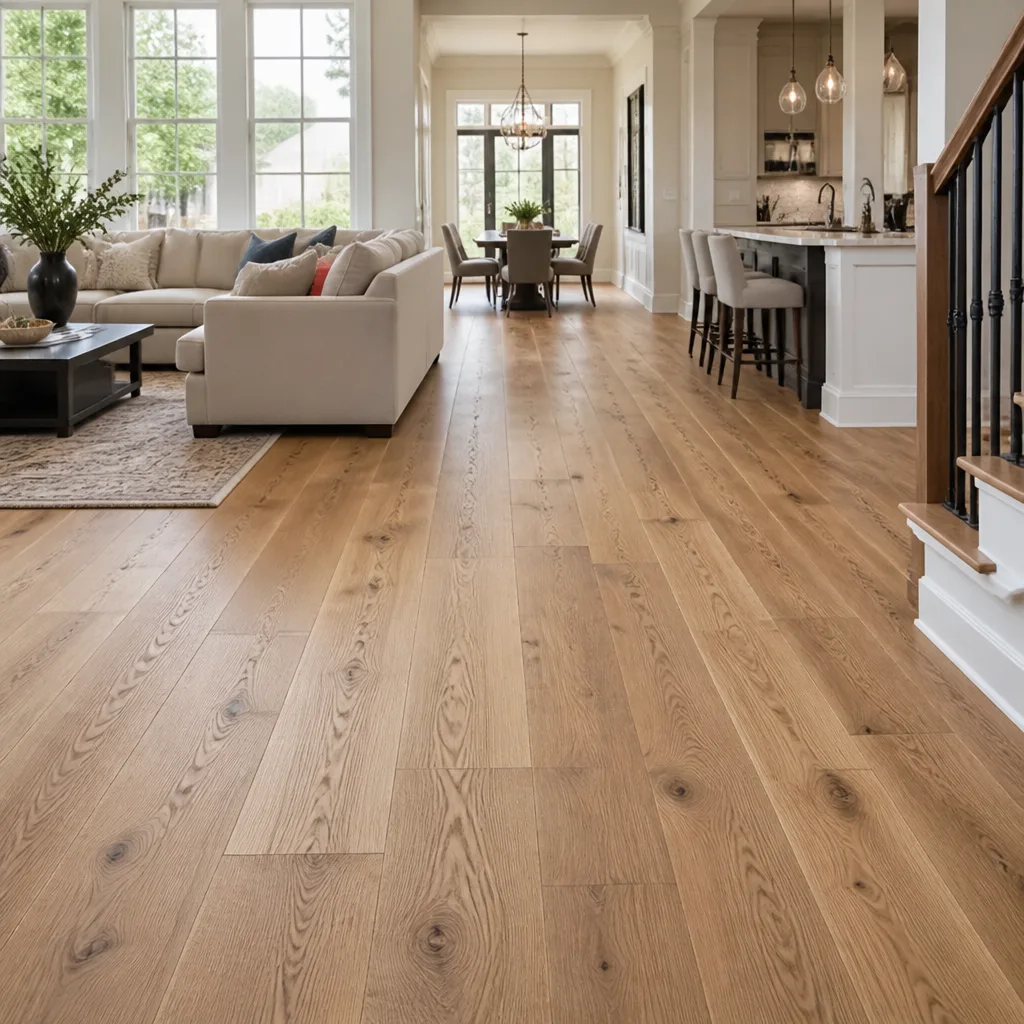 Engineered hardwood
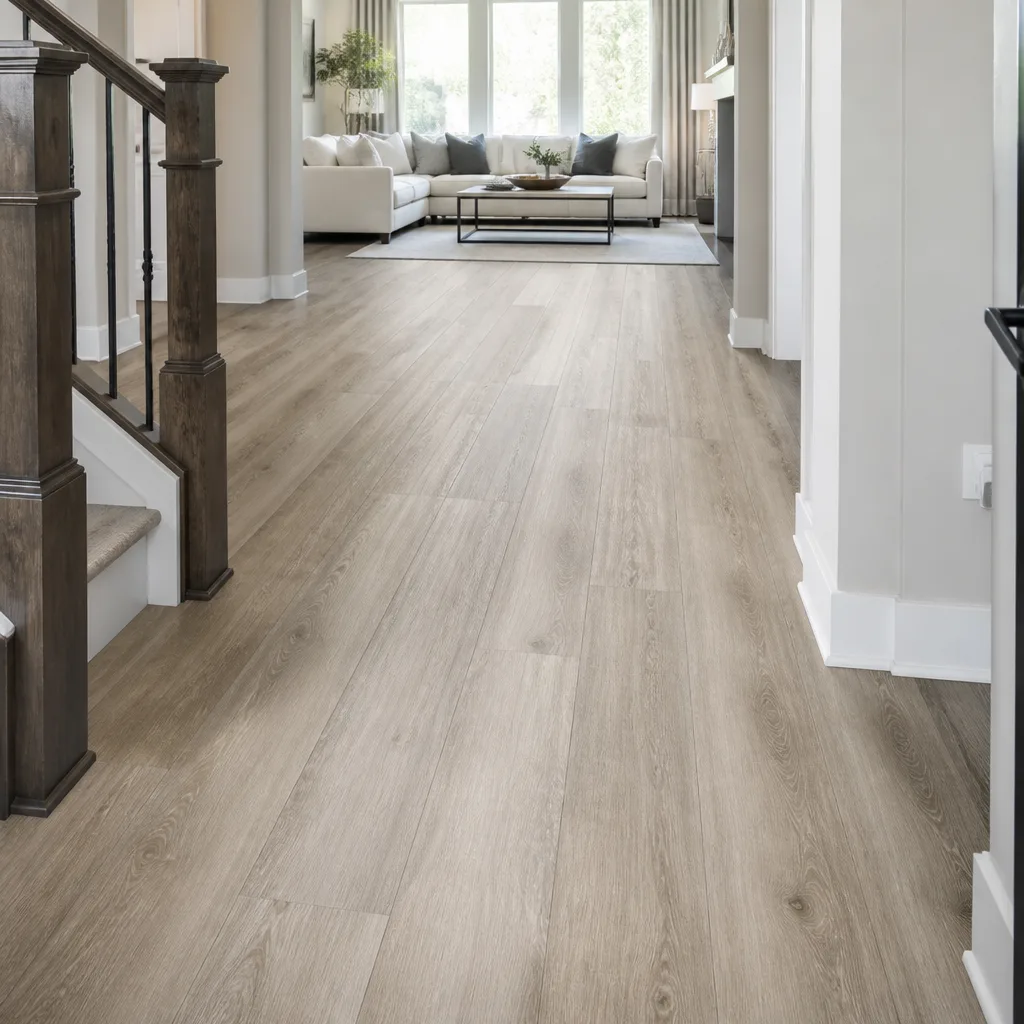 Luxury vinyl plank
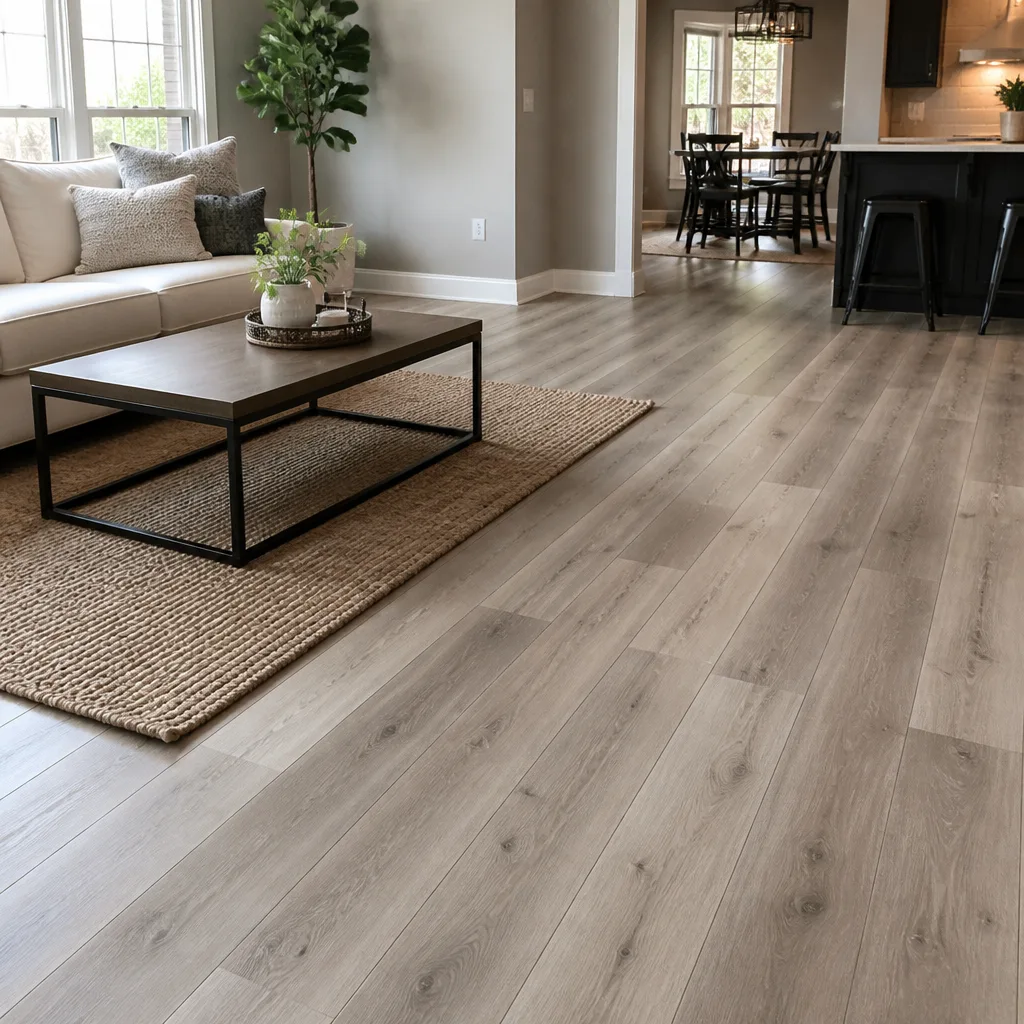 Laminate
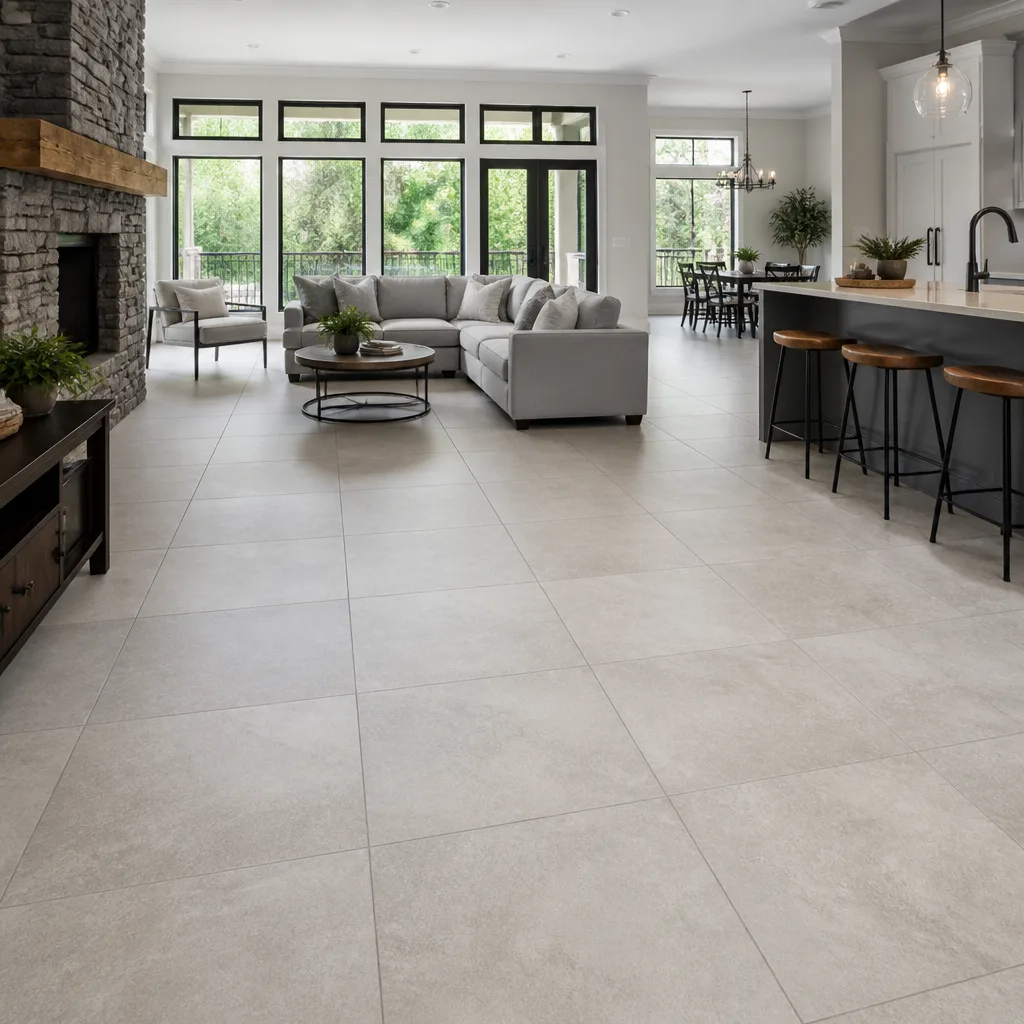 Porcelain tile
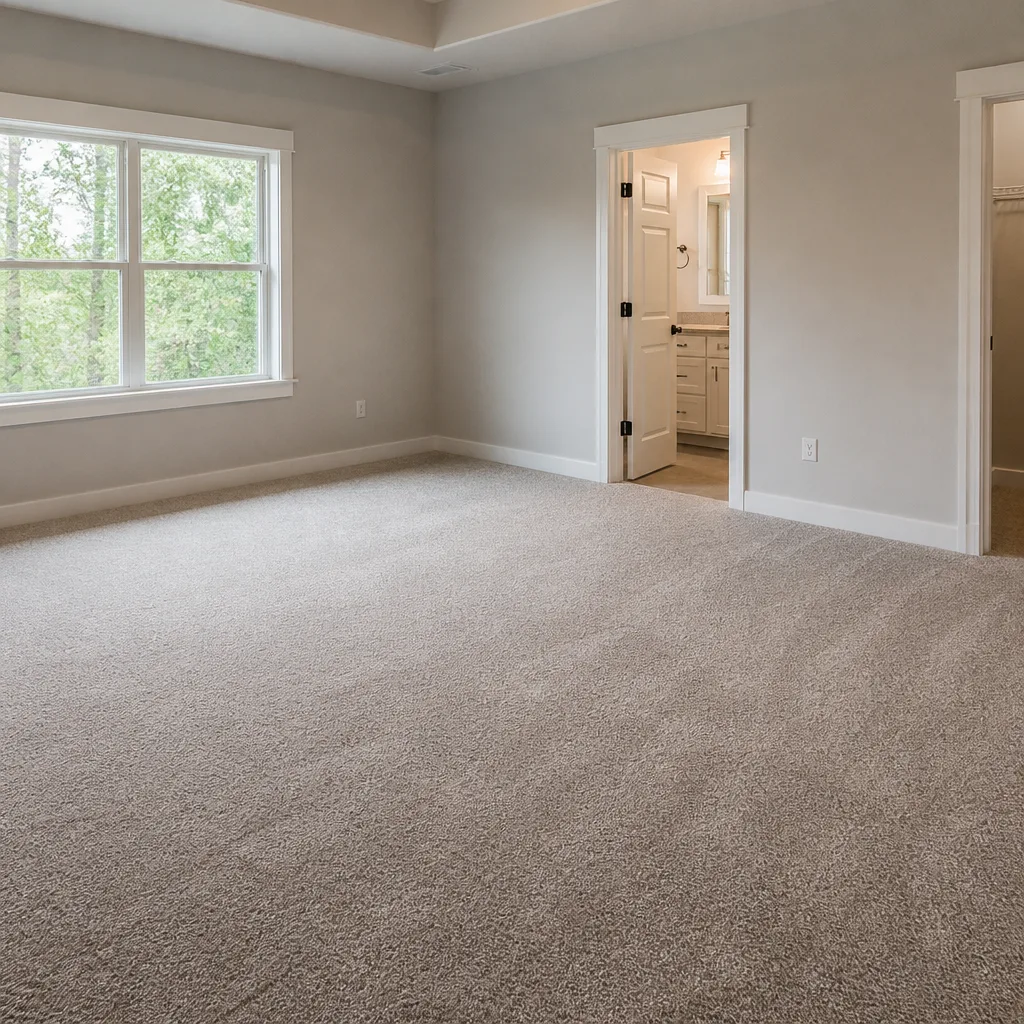 Carpet
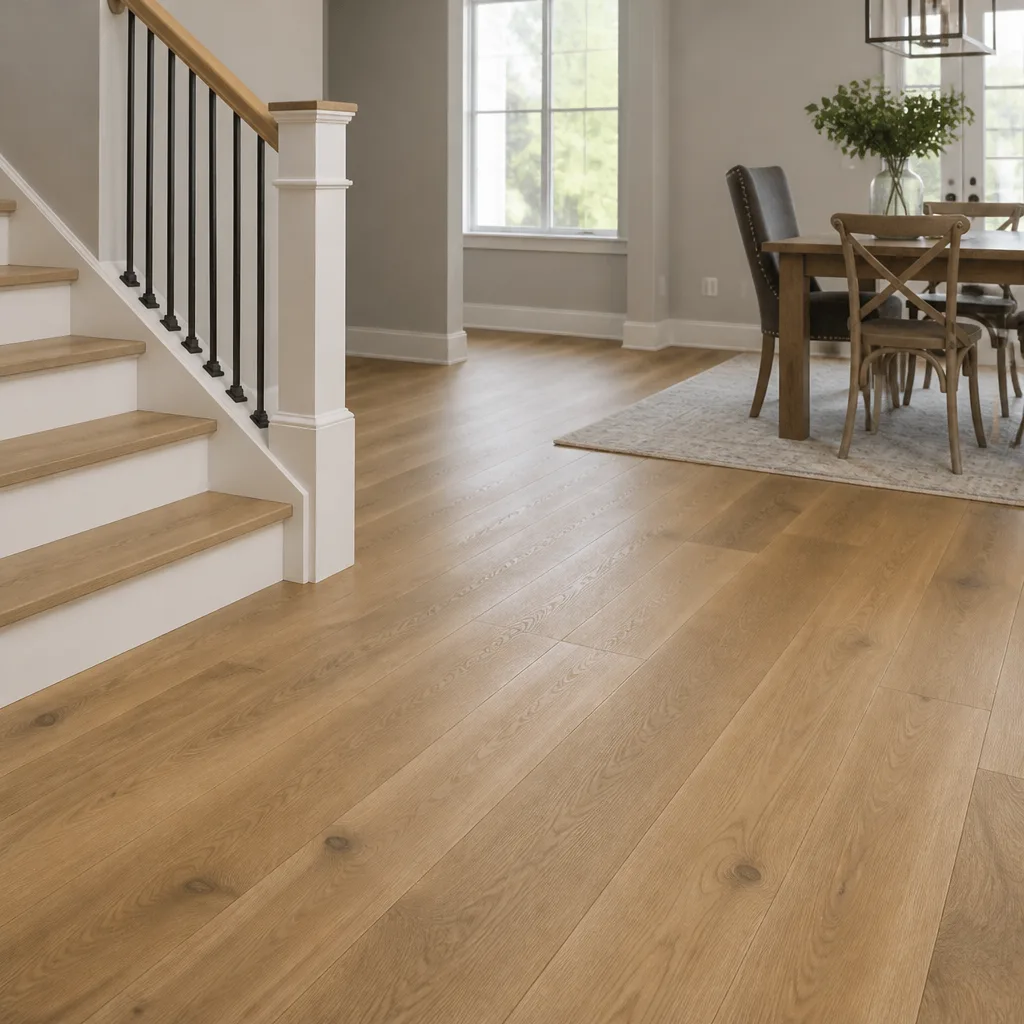 Shaw
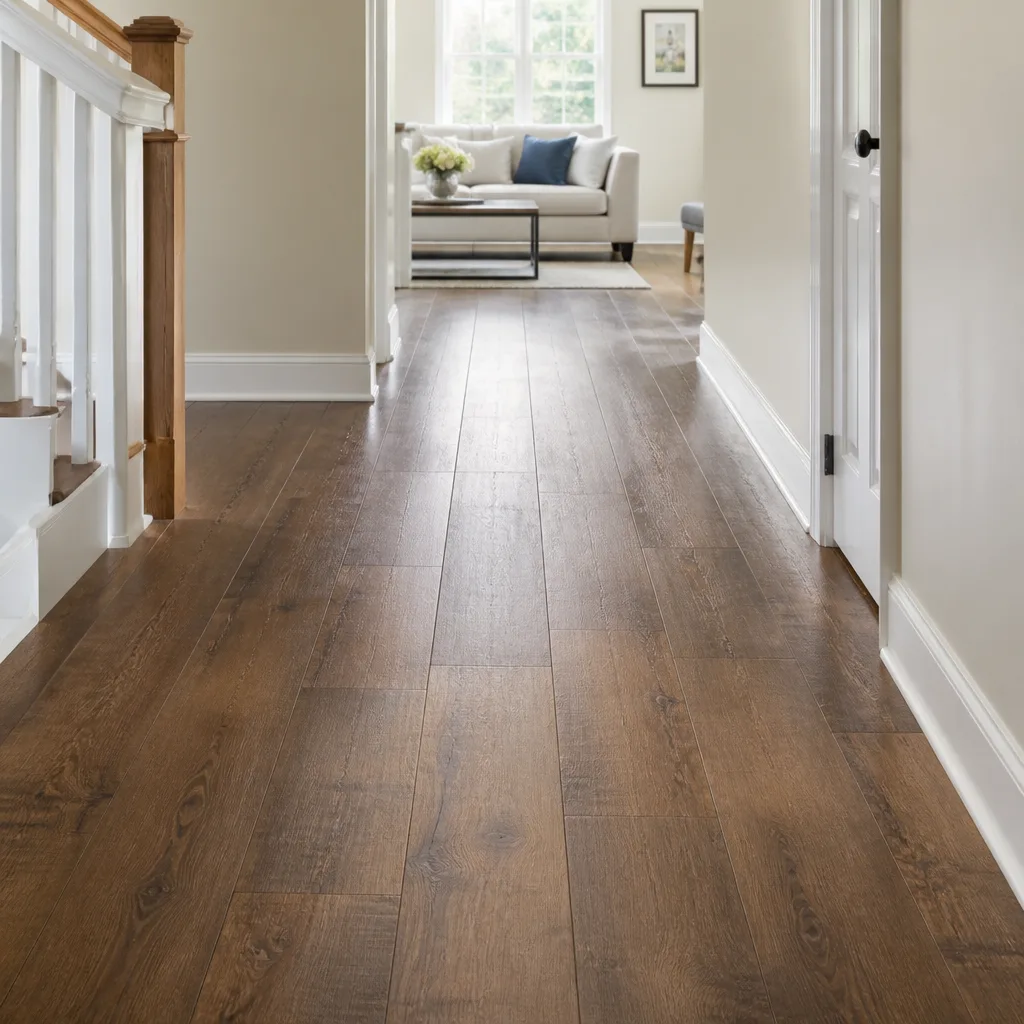 Mohawk
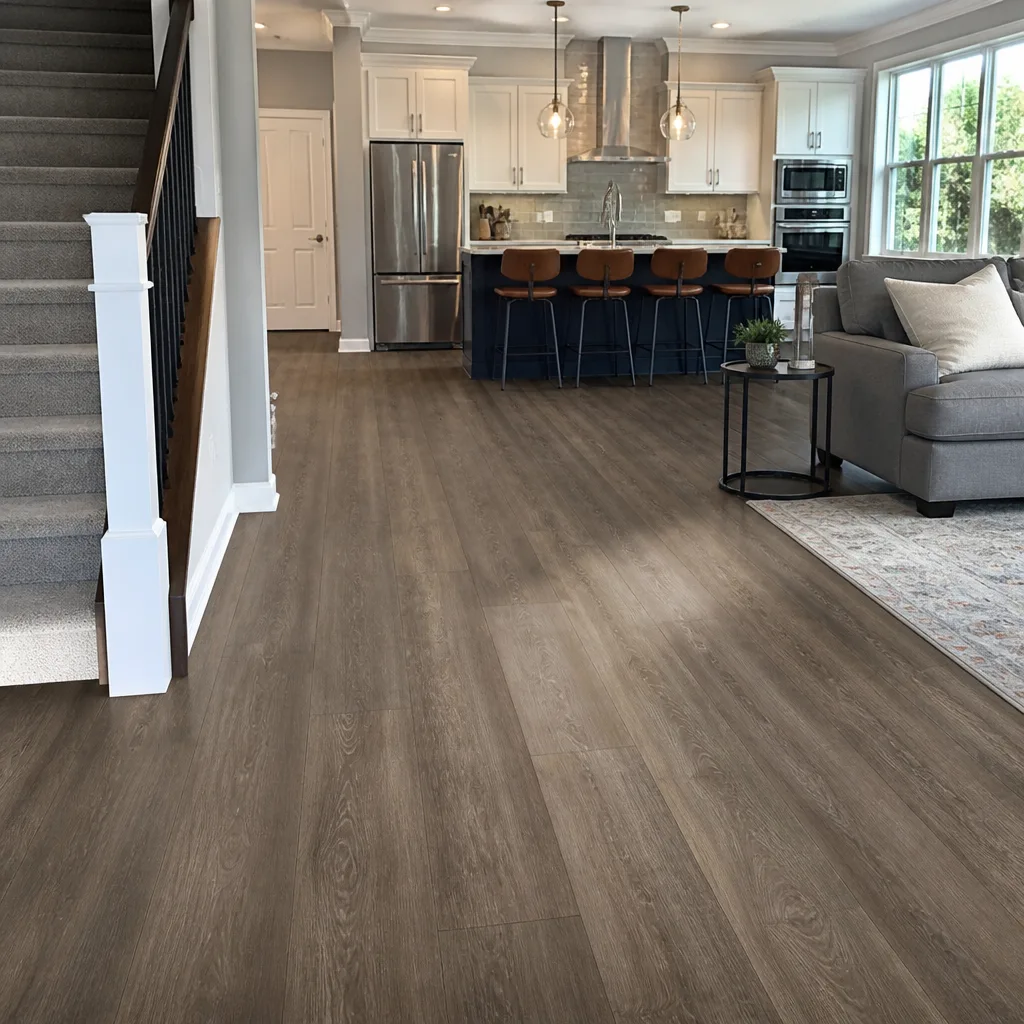 COREtec
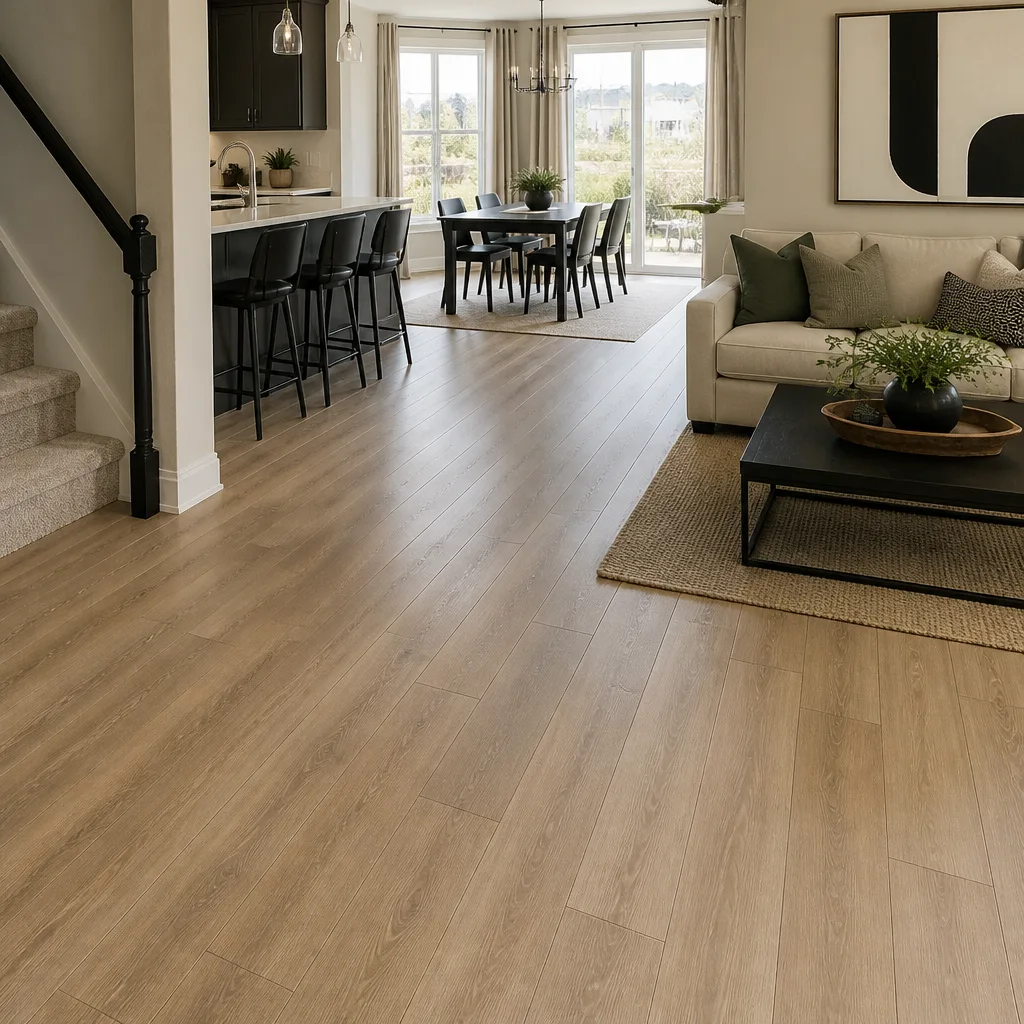 Pergo
Free in-home measure and written estimate: Shaw, Mohawk, COREtec and Pergo lines compared on your own rooms, with carpet, tile, vinyl plank, laminate and hardwood laid out side by side
Get your free estimateChoosing the Right Flooring for Every Room in Winchester Homes
A mudroom and a master bedroom can be forty feet apart and call for completely different flooring categories. Homeowners often treat that hallway as an opportunity to “stay consistent,” and that is exactly how expensive flooring mistakes happen. The mudroom sees grit, sand, and moisture tracked in every day, while the bedroom only ever sees bare feet and a bedframe. Matching them by look instead of by load is putting the answer before the question.
In this guide, we’ll walk through how to sequence a room-by-room flooring decision the way we do it on estimates around Winchester: traffic pattern first, moisture exposure second, subfloor condition third, and style layered on top. You’ll get clear recommendations by room, the mistakes we see most often, and the questions to ask before you sign anything.
Styles & brands we work with
- Hardwood
- Engineered hardwood
- Luxury vinyl plank
- Laminate
- Porcelain tile
- Carpet
- Shaw
- Mohawk
- COREtec
- Pergo
Quick Answer
The right flooring for each room in a Winchester home depends on three things before style: how much foot traffic the space gets, how much moisture it will see, and what’s under it. Entry and mudroom spaces usually want waterproof LVP with a commercial-grade wear layer; kitchens and bathrooms want porcelain tile or waterproof LVP; bedrooms still perform best in carpet; living and dining rooms are decided by subfloor type and pet or child load; and basement or bonus rooms generally favor a floating installation over glue-down. Aesthetics come last, not first.
Table of Contents
- The Decision Order: What to Evaluate Before You Pick a Product
- Entry and Mudroom: Why Wear Layer Beats Style
- Kitchen and Bathrooms: The Moisture Tolerance Spectrum
- Master Bedrooms: Why Carpet Still Wins on Comfort
- Living and Dining Rooms: Subfloor First, Then Pet and Child Load
- Basements and Bonus Rooms: Slab Temperatures and Floating vs. Glue-Down
- Hardwood Refinishing: When Restoring Beats Replacing
- Local Considerations for Winchester Homes
- Common Mistakes to Avoid
- When to Call a Professional
- Frequently Asked Questions
- The Bottom Line
The Decision Order: What to Evaluate Before You Pick a Product
Most homeowners start with a look. They find a photo they love, then work backward to a product that matches. That’s backwards. The sequence we use on estimates is deliberate because it keeps you from installing the wrong product in the right room. Here’s the order:
- Traffic pattern. How many people move through the room daily, and where do they come from? A mudroom off a gravel driveway is a different traffic problem than a hallway connecting three bedrooms.
- Moisture exposure. That includes spills, splashes, tracked-in rain, and humidity from below. Some rooms see it regularly, others almost never.
- Subfloor condition. Slab, plywood, or something else? Are there high points, low points, or signs of prior water? The subfloor types narrow your product list before aesthetics ever enter the conversation.
- Resilience requirements. Pets, children, mobility aids, and heavy furniture all change the calculus for wear resistance and installation method.
- Style. Only now. This is the fun part, and it goes fastest when the earlier four are settled.
When you run this ladder before you shop, you end up choosing a flooring category that fits the room. When you skip it, you fall in love with a product and then try to justify it for a space it can’t handle. In our experience working on Flooring Winchester estimates, the homeowners who are happiest two years out are the ones who answered these five questions before stepping into a product conversation.
One practical note before we go room by room: the three materials we specialize in are carpet installation, tile flooring installation, and hardwood refinishing. If you’re narrowing a decision, you’re comparing those three categories against each other in each room. Where LVP is mentioned below, it’s usually because the same brands we supply also cover it, and we’ll note when the right call is a category outside our install services so you know what to ask for.
Entry and Mudroom: Why Wear Layer Beats Style
If you live in one of Winchester’s neighborhoods with older sidewalks or driveways that shed grit, your entry takes more punishment than any other room. The grit acts like sandpaper underfoot, and that’s what kills wear layers over time. It is also the reason most designers put tile here by default, and it’s a call I’d usually push back on.
For an entry or mudroom in a climate where the outside world tracks in dust and small gravel most days of the year, a waterproof LVP with a commercial-grade wear layer outlasts a glazed porcelain tile in real-world use. Here’s why:
- Grout lines and grit. Grout is softer than the tile it surrounds. Grit lands in the voids, gets ground in, and stays. Grout needs periodic sealing and cleaning to hold up. LVP has no grout to maintain.
- Cushion underfoot. Kicking off shoes on a hard surface is fine. Standing barefoot on it is not. Rigid-core products handle the temperature swings of a Nevada slab entry better than ceramic, which stays cold all year.
- Impact resilience. A dropped toolbox, a kicked shoe, or a fallen grocery bag can crack a tile, but LVP absorbs it. Every cracked tile is a repair job. LVP repairs are usually one plank.
- Simpler installation over old subfloor. Many LVP products float over existing flooring without the subfloor prep that tile requires.
Among the brands we supply, Winchester homeowners commonly look at LifeProof or COREtec for this room because both offer waterproof, rigid-core construction rated for high traffic. That’s not a knock on tile – porcelain remains an excellent entry choice when you’re comfortable with the grout maintenance that comes with it, and it’s genuinely beautiful in some entries. But when the question is “what will hold up for a decade in a dusty entry with two dogs,” LVP with a commercial-grade wear layer is the answer we’d give most often.
The one caveat: LVP is water-resistant, not a substitute for water management. Standing water left in a mudroom still has to be wiped up, and moisture coming from below has to be addressed before any product goes down.
Kitchen and Bathrooms: The Moisture Tolerance Spectrum
Kitchens and bathrooms see the most moisture of any room in the house, so every decision here starts with the moisture spectrum. On one end sits porcelain tile: essentially impervious, indifferent to splashes, and the most moisture-tolerant surface you can install. On the other end sits waterproof LVP with a sealed core, which handles surface water well but isn’t built for standing water left overnight. Carpet and hardwood sit below both – fine in a dry kitchen, but not where water regularly splashes.
Here’s how the four main materials rank for moisture tolerance in real kitchen and bath conditions:
- Glazed porcelain tile (Daltile, Mannington): the highest tolerance. Splashes, spills, and standing water are a non-issue for the tile itself. Grout, however, needs sealing and cleaning to stay looking good.
- Waterproof LVP (LifeProof, COREtec): excellent for kitchens where spills are frequent and quick to wipe up. Water-resistant in wet zones, but not designed for water sitting on seams.
- Engineered hardwood (Pergo, Mannington): moderate tolerance in the kitchen. Great in a dry kitchen, risky next to a dishwasher or sink where leaks are possible.
- Solid hardwood and carpet: lowest tolerance. Solid hardwood in a bathroom is a mistake. Carpet in a bathroom should be limited to a small, well-ventilated area, if at all.
Where grout maintenance fits is the piece most homeowners underestimate. Tile in a kitchen sees a specific kind of stress: grease, food spills, and frequent mopping. Grout that isn’t sealed properly becomes a stain sponge over time, and darker grout in a narrow width hides it better than wide white grout. If you love the look of tile but don’t want the grout work, a porcelain-look LVP or a large-format tile with minimal grout lines is a common compromise.
For a bathroom, we’d steer most people to porcelain tile or waterproof LVP, full stop. Bathrooms don’t just see moisture; they see humidity, which lingers after every shower. Fitting a floor that can handle damp air is more important than matching a wood look across the whole house.
Master Bedrooms: Why Carpet Still Wins on Comfort
Carpet has taken a public relations hit over the last decade as LVP swept into every room on design blogs. But step into a carpeted master bedroom vs. a hard-floor one in January, and the case for carpet is obvious. Underfoot warmth, sound dampening, and the sheer comfort of bare feet first thing in the morning are still why most bedrooms in Winchester homes end up carpeted, and we don’t expect that to change.
The real question for a bedroom isn’t “carpet or hard surface.” It’s “which carpet fiber survives a decade of foot traffic?” Here’s the short answer:
- Nylon. The most durable common carpet fiber, with excellent resilience underfoot and recovery from crushing. Best for master bedrooms with heavy traffic and heavy furniture.
- Triexta (PTT). A newer fiber that’s genuinely stain-resistant and holds up well under foot traffic. Excellent pet-friendliness and easy to spot-clean.
- Polyester. Soft twist and comfortable underfoot, with strong inherent stain resistance. Less resilient than nylon under heavy furniture, but very good in lower-traffic bedrooms.
- Olefin. Budget-friendly and moisture-resistant, often found in lower-traffic spaces. Softer and less resilient than nylon over a long haul.
For a Winchester master bedroom specifically, we’d look at two things: the traffic as it affects the whole house, and how the room is used. If the master opens onto a hallway that gets a lot of bare feet, a nylon carpet with a good cushion underneath handles the load. If it’s a guest bedroom that gets used a few times a year, a soft polyester twist is a smart fit.
What we’d avoid in a bedroom is a glued-down, very low-pile commercial carpet. It’s often suggested for its durability, but bedrooms aren’t commercial spaces, and the comfort penalty is real. Also worth mentioning: carpet won’t help with allergies by itself – there are health claims made by flooring marketers that no reputable installer should make. Choose carpet for comfort and sound control, and keep it cleaned. That’s the honest pitch. Carpet installation in Winchester is one of our three core services, and the right fiber choice usually comes out in the free in-home estimate.
Living and Dining Rooms: Subfloor First, Then Pet and Child Load
Living and dining rooms are where the indoor traffic load climbs. Guests, kids, pets, and furniture all circulate here. If hardwood and LVP are both contenders, and both look great in the room, how do you pick? The answer almost always comes down to what’s underneath and who lives on top.
The three candidate floors, ranked by best fit:
- Solid hardwood (when subfloor is plywood and the load is moderate). Hardwood can be refinished down the road, so its life can be extended rather than replaced. Best on a subfloor that can take it, and in rooms where pets and children aren’t heavy on the floor.
- Engineered hardwood (when subfloor is slab or the climate swings). Engineered boards resist moisture movement more predictably than solid hardwood and go over a wider range of subfloors. Pergo and Mannington both make engineered products worth looking at.
- LVP (when pets, kids, or moisture rule the room). LifeProof and COREtec give you the look of wood without the water and scratch anxiety. If your dogs are large and indoors most of the day, this is often the smart call, and yes, we’re honest that the tradeoff is refinishing potential.
Subfloor is the swing factor. A slab home in Winchester with a history of moisture can’t take solid hardwood, but engineered hardwood or LVP will go down fine. A plywood subfloor opens up all three options, and that’s when aesthetics genuinely get to weigh in.
The pet-and-child point deserves its own beat. LVP and engineered hardwood have a higher practical tolerance for scratch and moisture events than solid hardwood, and that’s been the deciding vote in a lot of households with young kids. Hardwood remains the prettiest option in the room, and if the household is relatively light on the floor, it’s our favorite. But we’ve installed enough LVP in living rooms to know when it’s the right call – and it isn’t a compromise on looks.
Basements and Bonus Rooms: Slab Temperatures and Floating vs. Glue-Down
Basements and bonus rooms sit at a different temperature from the rest of the house – and in Nevada, that gap is wider than in most of the country. A slab-on-grade basement here tends to sit cooler in winter and warmer in summer than the conditioned rooms above it. That temperature swing affects flooring choices in two ways: comfort, and installation method.
Here’s how we think through the room:
- Slab temperature matters for comfort, not just feel. A tile floor over a cold slab stays cold all year. A carpeted or cushioned LVP floor feels more comfortable in a basement and is more forgiving on the feet.
- Floating installations outperform glue-down in most basement situations. A floating floor moves slightly with the subfloor and handles humidity shifts and slab temperature swings better than glue-down, which is locked to the slab. If the slab moves, a glued floor usually cracks or fails.
- Moisture testing comes before any installation. In a basement, the slab moisture level has to be checked first. That’s a detail some installers skip, and it’s the detail most likely to cause a callback.
- Waterproof LVP is your safest bet over a basement slab. LifeProof and COREtec work here for the same reasons they work in an entry: durability, resilience to minor moisture, and a floating install.
If a basement is going to be a bedroom or a playroom, a quality carpet with a moisture-tolerance cushion still performs beautifully in these rooms, and we’ve installed plenty. Tile is the wrong call for a basement slab unless you add in-floor heat, which is a different conversation entirely.
For a bonus room over a garage, the answer is generally the same as a living room: subfloor condition drives the choice. If the bonus room sits over a garage slab, don’t put solid hardwood down. Engineered or LVP will hold up better in the temperature upswing.
Hardwood Refinishing: When Restoring Beats Replacing
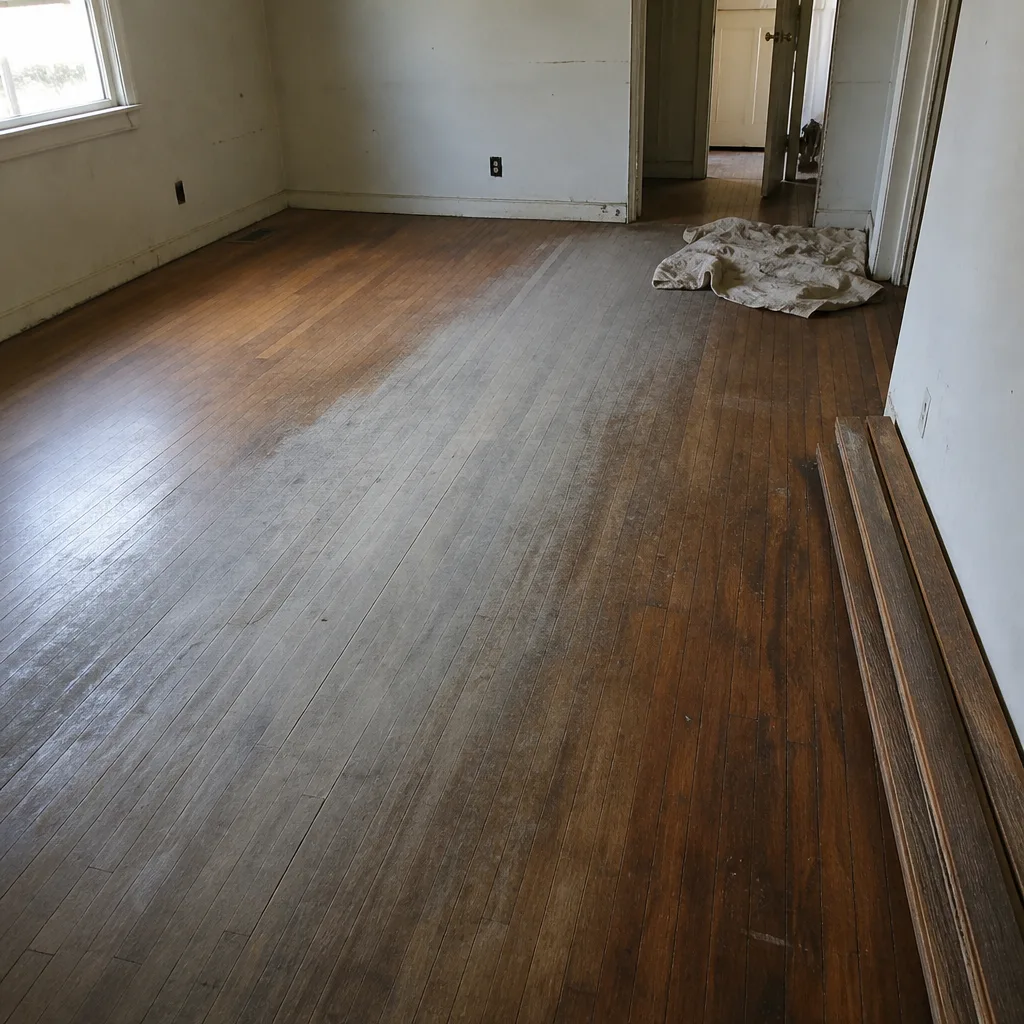
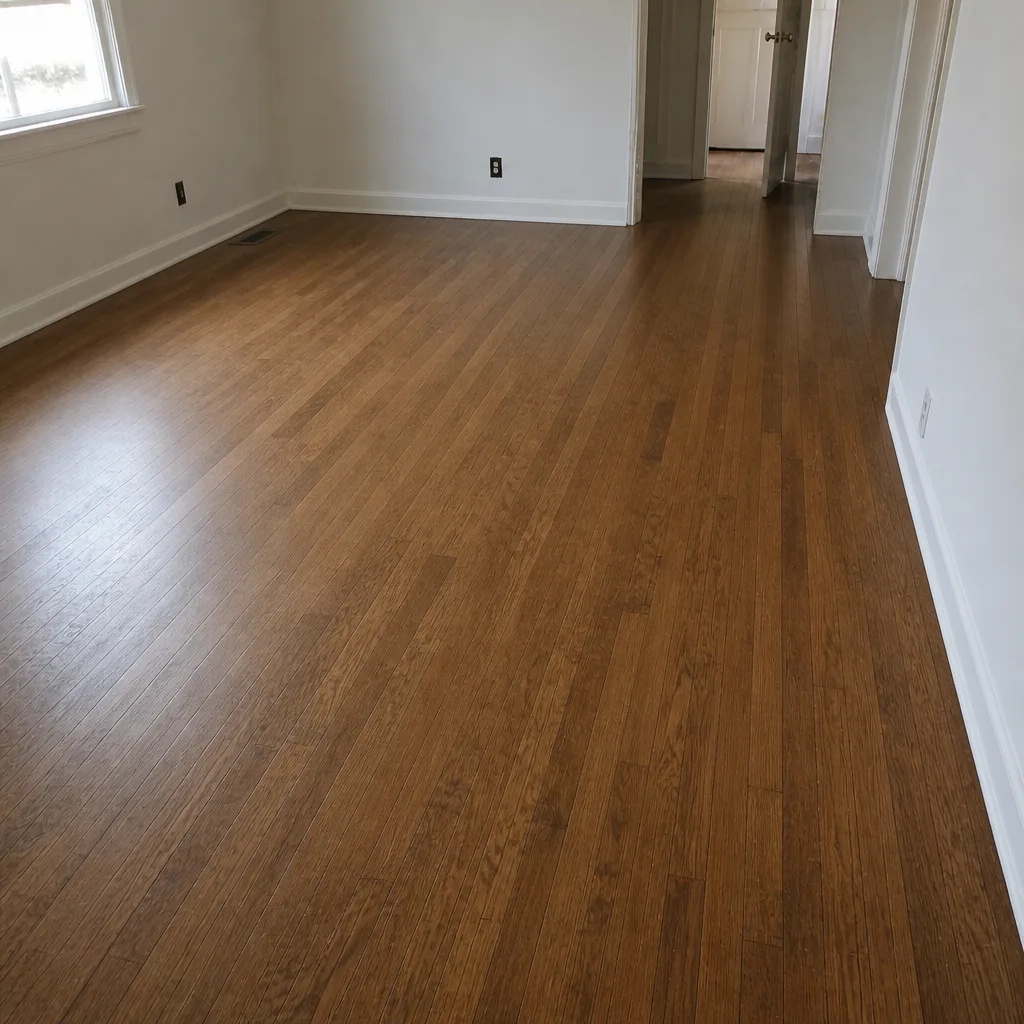
If you already have hardwood floors under a carpet or under tired worn finish, refinishing is worth understanding before you price replacement. A refinish sands off the existing finish and stain, brings the wood back to bare, and lays down a new finish. It restores the floor you already have, so it often saves significant cost compared to a new hardwood install and it preserves the character of the original wood – including the wider planks and old-growth tight grain that new floors don’t reproduce.
Refinishing isn’t a universal answer. Every floor has to be checked at the estimate visit, and the two deciding factors are the thickness of the wood and its current condition.
- Thickness of the wear layer above the tongue-and-groove. Too thin, and there isn’t enough wood to sand safely. That’s a check we do in the home.
- Condition of the wood itself. Cupping, water damage, or loose boards can make refinishing inadvisable even if the wood is thick enough.
- Stain matching. Can we get close to a preferred stain? Often yes, but no one should promise a perfect match to a sample. The condition of the existing wood and the species determine how close we can get.
Where refinishing really shines is in a home where the original hardwood is still there but has yellowed, scratched, or lost its finish. It’s one of the few things in a home where an old floor can genuinely come back to life. If you don’t know whether your floor can be refinished, that’s the sort of question to bring to a free in-home estimate.
Local Considerations for Winchester Homes
Winchester is an unincorporated community in Clark County on the east side of the Las Vegas Valley, so the local housing stock and climate both shape the flooring decisions. A few specifics that carry weight here:
- Slab construction is common. Many Winchester homes are built on slab, not plywood subfloor, which narrows solid hardwood’s reach and makes floating installs and moisture handling more important.
- Dry desert air and monsoon moisture. Most of the year humidity is low, but monsoon season can push interior humidity up sharply in a few weeks. That swing is why a floating install handles this area better than glue-down, and why solid hardwood has more movement here than in a more temperate climate.
- Dust and grit in the entry. Whether you’re near the older residential blocks or a newer neighborhood, the dusty environment and paved driveways mean entry flooring takes real grit load. Wear layer matters.
- Older homes with hardwood under carpet. In some of the established Winchester streets, homes have original hardwood hidden under decades of carpet. Those are the ones where we most often recommend a refinish over a replacement.
- Design-forward renovations. If you’re updating a home to a more current palette, Karndean and Daltile both open up designer-grade surfaces – and both make a fit for local homeowner taste.
When you schedule a free estimate in Winchester, we look at the subfloor type first. It’s the single most likely factor to reshape your whole plan – and one you can’t answer by looking at photos online. You can learn more about the neighborhoods and housing stock on our Winchester page.
Common Mistakes to Avoid
- Matching floors across every room for “consistency.” A bedroom and a mudroom don’t share the same load. Treat them as separate decisions and compare categories separately. Matching on looks first is how the wrong floor ends up in the right room.
- Choosing tile in an entry without planning for grout maintenance. Glazed porcelain is beautiful and moisture-tolerant, but grout absorbs grit. If you want tile in a dusty entry, pick a narrow dark grout and plan to seal it. If you can’t plan to seal it, LVP is the better call.
- Assuming solid hardwood goes everywhere. Slab construction – common in Winchester – usually rules solid hardwood out of a room. Engineered hardwood or LVP can go over a slab where solid hardwood can’t.
- Choosing carpet fiber by price alone. A lower-cost polyester in a heavy-traffic master bedroom will crush and pill within a few years. Nylon and triexta hold up better where the foot traffic is real.
- Skipping moisture testing in a basement before installation. We’ve seen basement installs fail because nobody tested the slab. The test is cheap; the callback isn’t.
- Staining over water damage without a refinish check. If hardwood has swelling or cupping, a fresh stain won’t hide it, and you may need repair instead. Ask for a refinish condition check, not just a price.
- Choosing a product before looking at the subfloor. It’s the most common order of operations we see on estimates. Fix the sequence first.
When to Call a Professional
Choosing and installing floors by room usually warrants a trained professional for several scenarios. Large tile installation, especially in a bathroom or a kitchen with tricky subfloor transitions, is one – the cutting, setting, and grout work are too easy to get wrong. Solid hardwood refinishing is another; sanding overshoots happen quickly and the thickness of your floor is not recoverable once it’s gone. Subfloor work – leveling a slab, repairing water damage, checking for slab moisture – is a job we’d never recommend as DIY. And if you’re moving through a whole-home renovation that includes carpet, tile, and hardwood refinishing in the same project, keeping one company accountable across product selection, procurement, and installation removes a lot of coordination headaches.
Flooring Winchester offers free estimates in Winchester – call (844) 761-8337. We answer 24/7. Fast dispatch from 7am to 7pm, Sunday through Friday.
Frequently Asked Questions
A waterproof LVP with a commercial-grade wear layer is the best fit for most Winchester entries because the local dust and grit load wears harder on tile grout and softer surfaces. LifeProof and COREtec both offer rigid-core products suited to this room. Porcelain tile is a strong second, provided you plan to seal the grout. Call (844) 761-8337 for an exact quote – estimates are free.
Usually no. Most Winchester basements are on a concrete slab, and solid hardwood moves too much over a slab with the temperature swings. Engineered hardwood or a floating installation – LVP or carpet – performs better in a basement here. The right call depends on moisture testing first, which we do at the estimate. Call (844) 761-8337 to schedule a free estimate.
Tile installation pricing in Winchester depends on the tile type, room size, subfloor condition, and whether grout is included, so it’s priced per job from a written estimate rather than a flat per-square-foot figure. The estimate visit is free and the written quote sets the final price. Call (844) 761-8337 to schedule one.
Most of the time, yes. A floating floor tolerates the slab temperature swings of a Nevada basement better than a glued floor, which is locked to the slab and cracks when the slab moves. Moisture testing still comes first. Call (844) 761-8337 to talk through what your basement slab needs.
Carpet still wins a master bedroom on comfort, warmth underfoot, and sound dampening, especially on a cold morning over a slab. The right fiber matters more than the style – nylon and triexta hold up best to heavy foot traffic. Carpet installation in Winchester is one of our three services. Call (844) 761-8337 to schedule a free in-home estimate.
Sometimes, but not always. A refinish sands off the old finish and stain and brings wood back to bare – if the stain is surface-level and the wood is thick enough to sand, refinishing can remove it. Water damage that has swollen or cupped the boards may need repair, and the extent is checked at the estimate visit. Call (844) 761-8337 for a free refinish evaluation.
The Bottom Line
Room-by-room flooring decisions go wrong when style comes first. Traffic load, moisture exposure, subfloor condition, and resilience needs drive the right category for each room in a Winchester home, and style follows. Entry and mudroom want a waterproof LVP with a commercial-grade wear layer; kitchens and baths want porcelain or waterproof LVP; bedrooms perform best in carpet; living and dining rooms are decided by subfloor type and pet load; basements and bonus rooms favor floating installations over glue-down. When you refinish hardwood instead of replacing it, you often get the original floor back at significantly less cost. The throughline: choose the category before the color. Call (844) 761-8337 for a free estimate. We answer 24/7. Fast dispatch from 7am to 7pm, Sunday through Friday.
Written by the team at Flooring Winchester.
See the difference
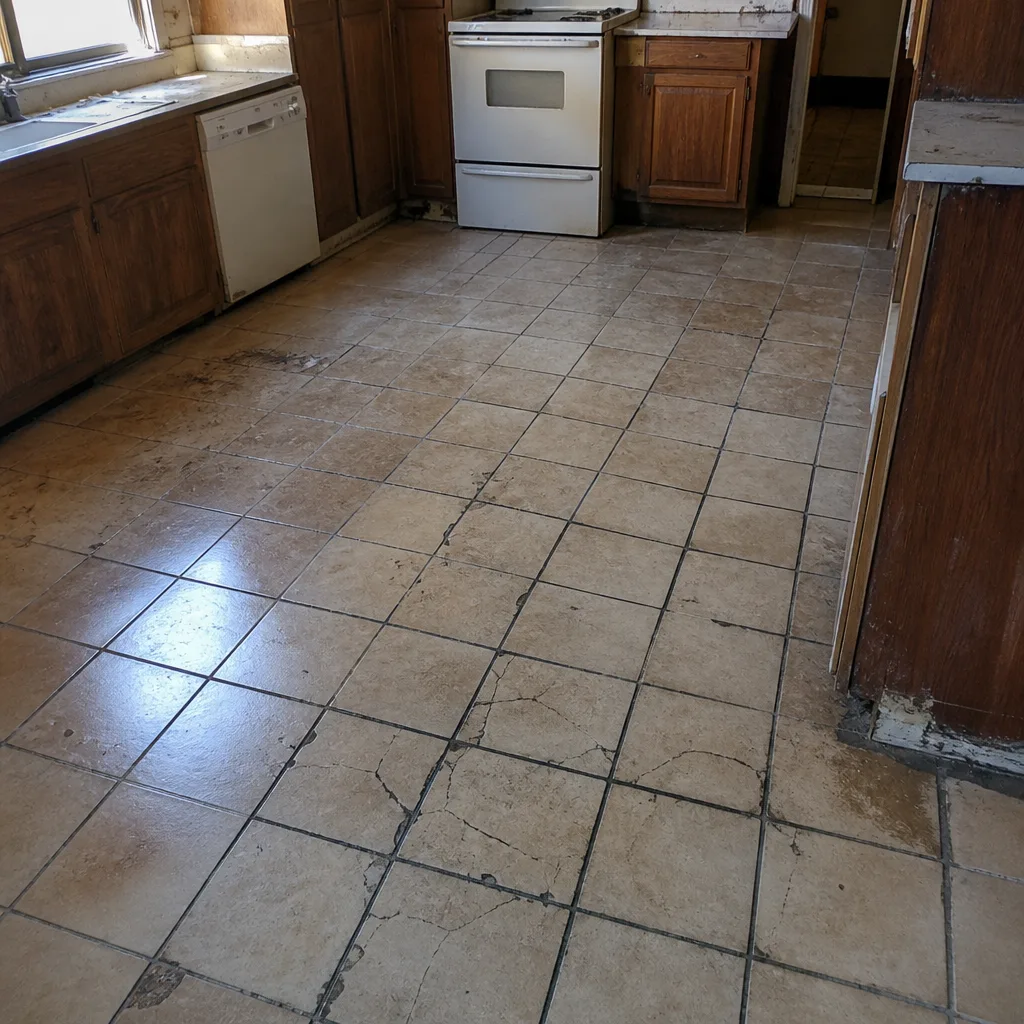 Before
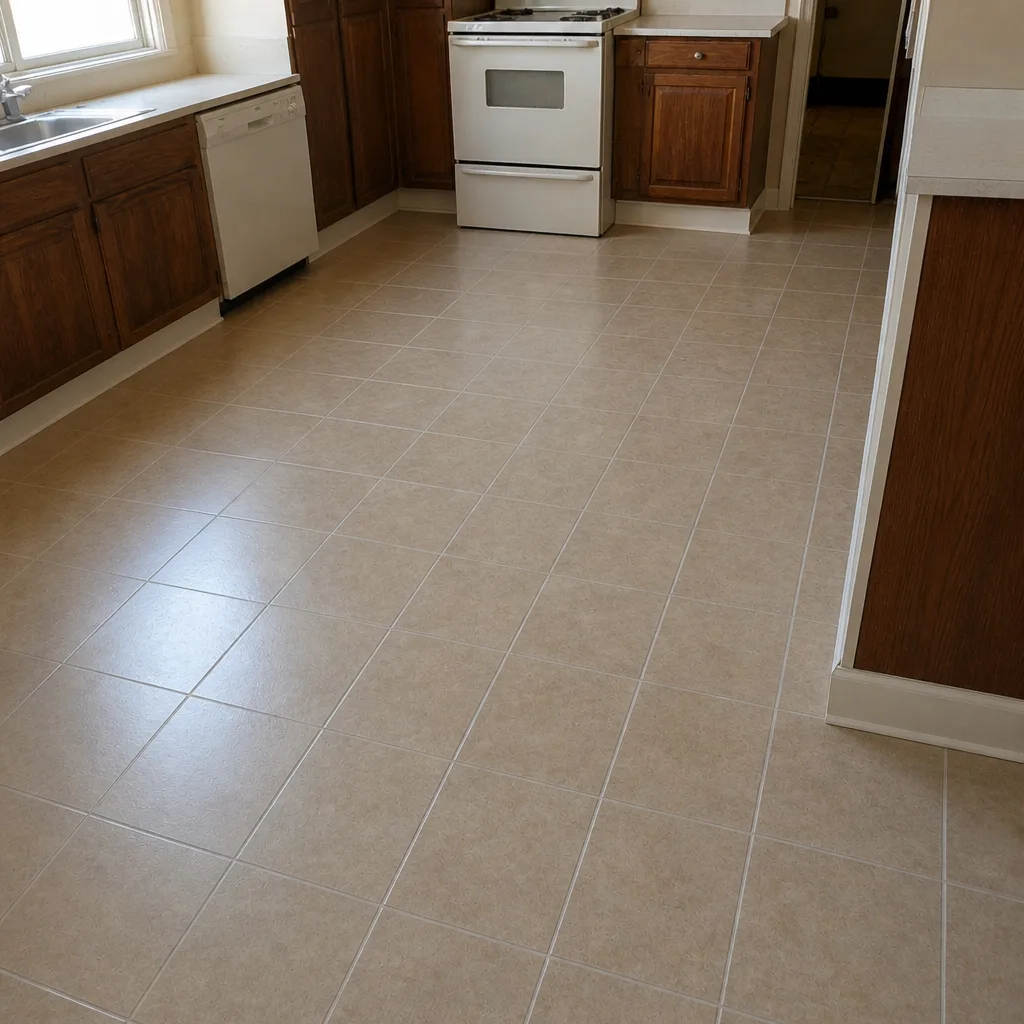 After
 Before
 After
 Before
 After