
Last updated November 18, 2026
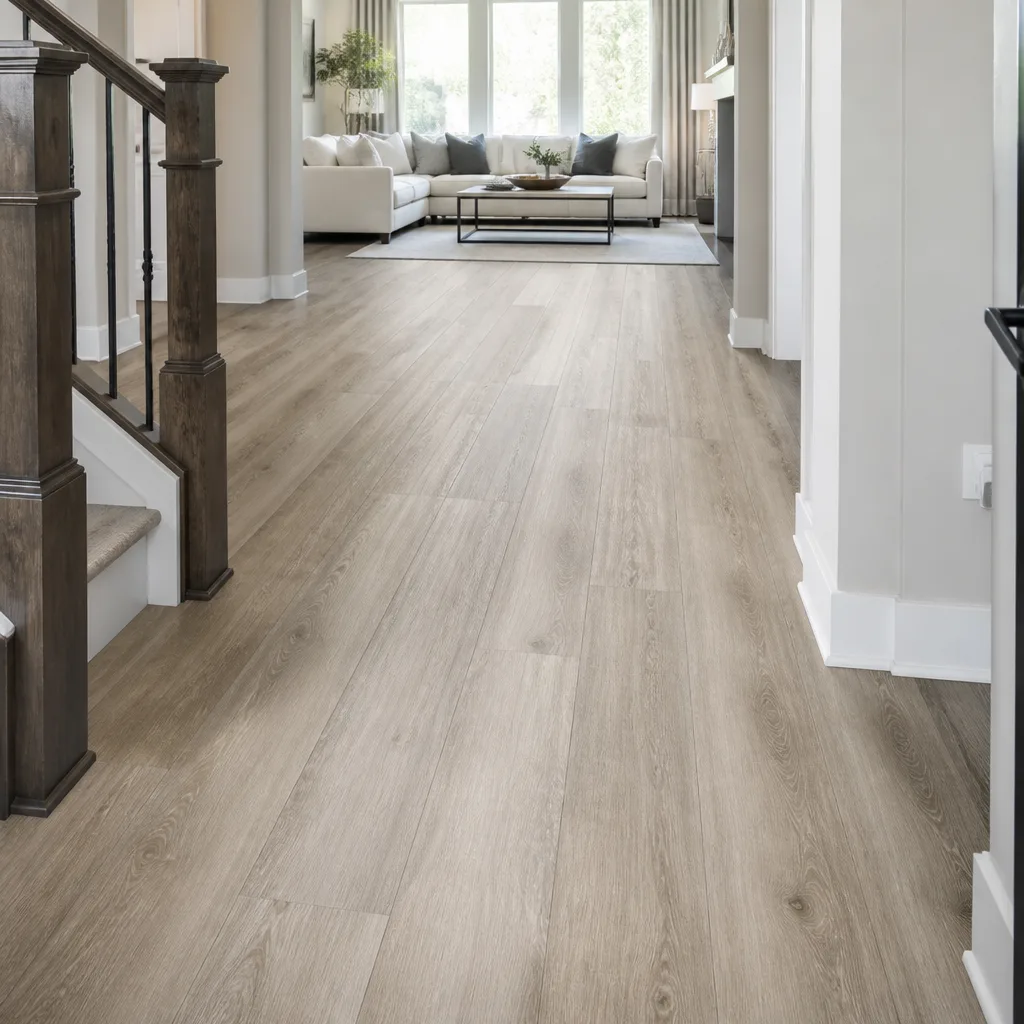 Luxury vinyl plank
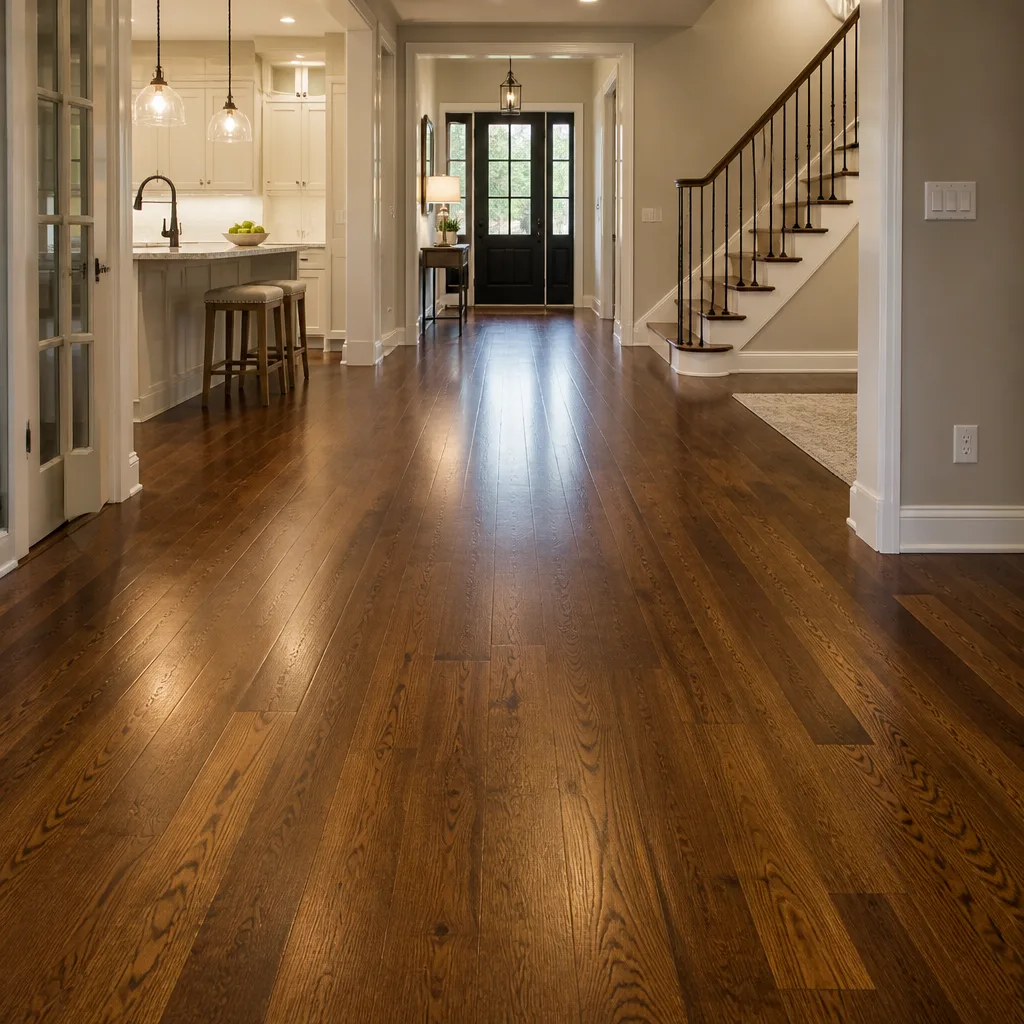 Hardwood
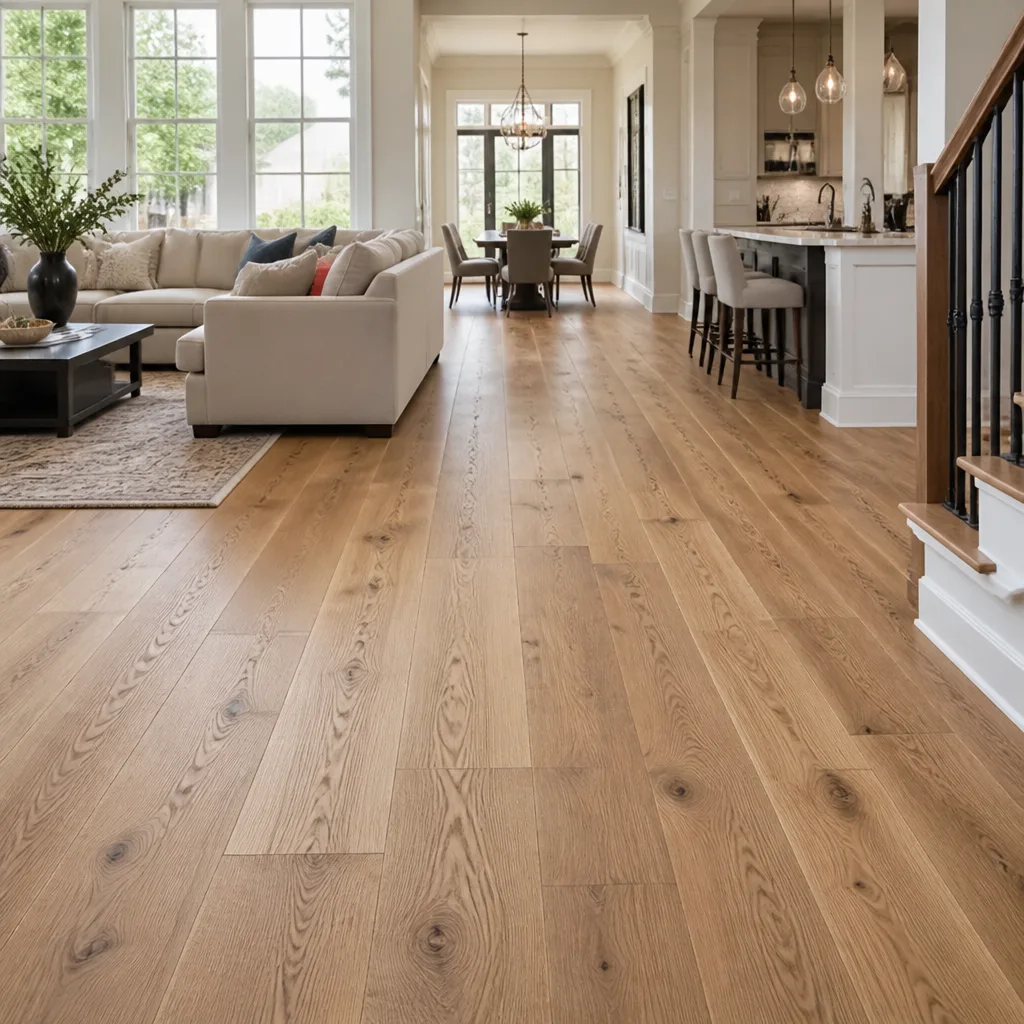 Engineered hardwood
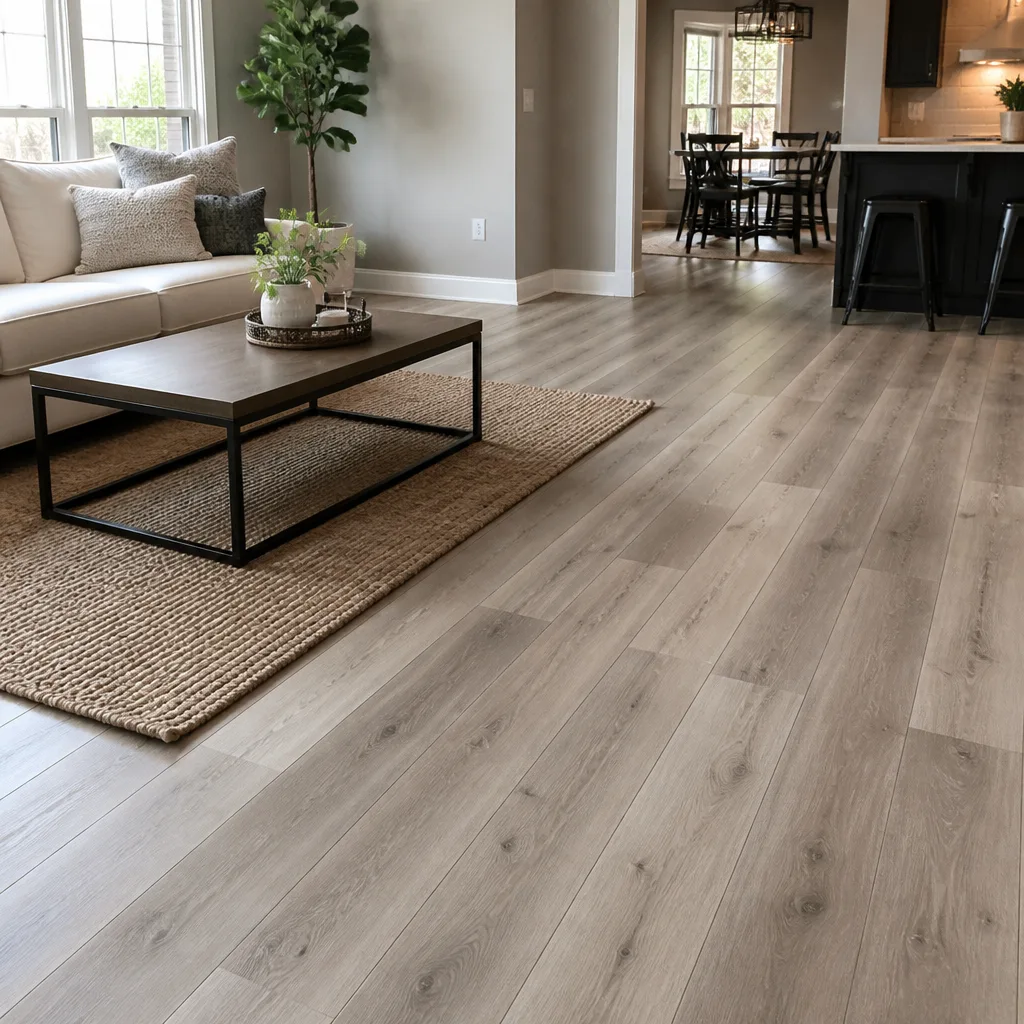 Laminate
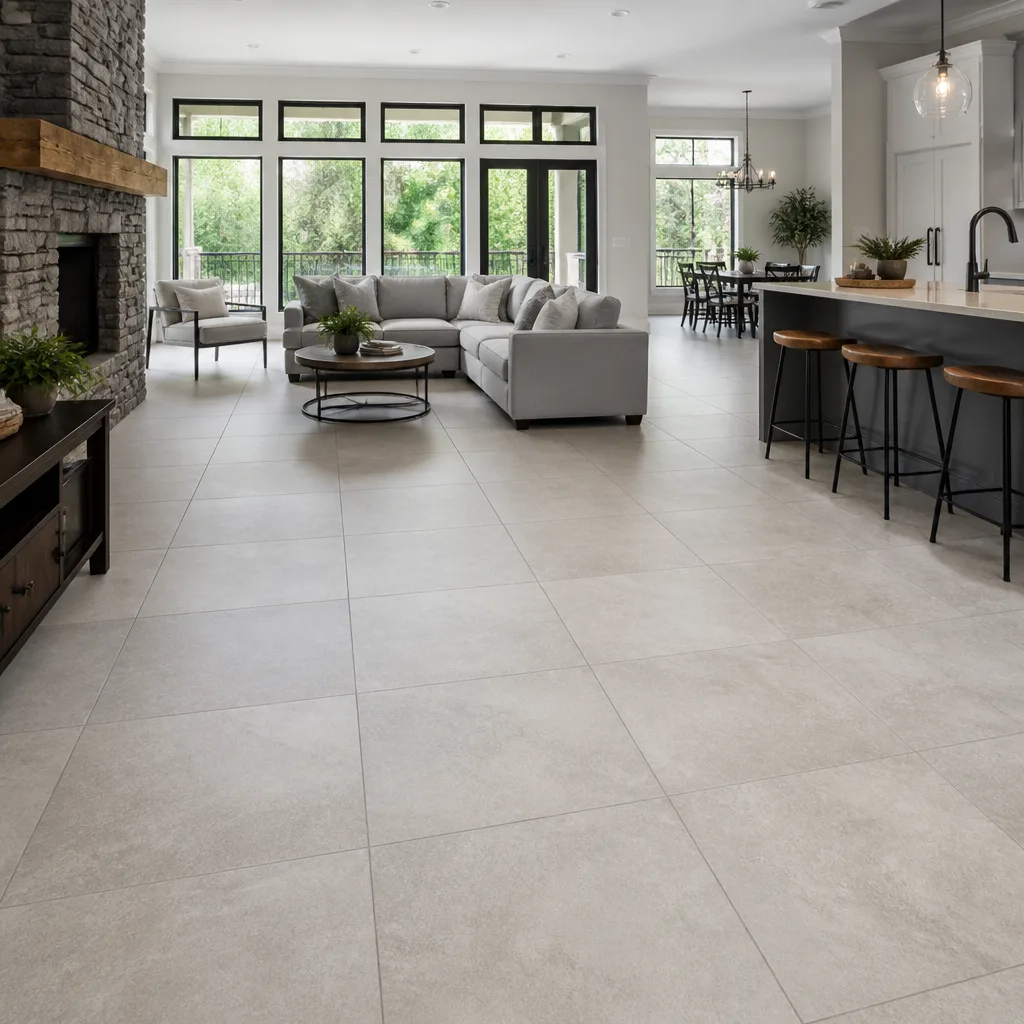 Porcelain tile
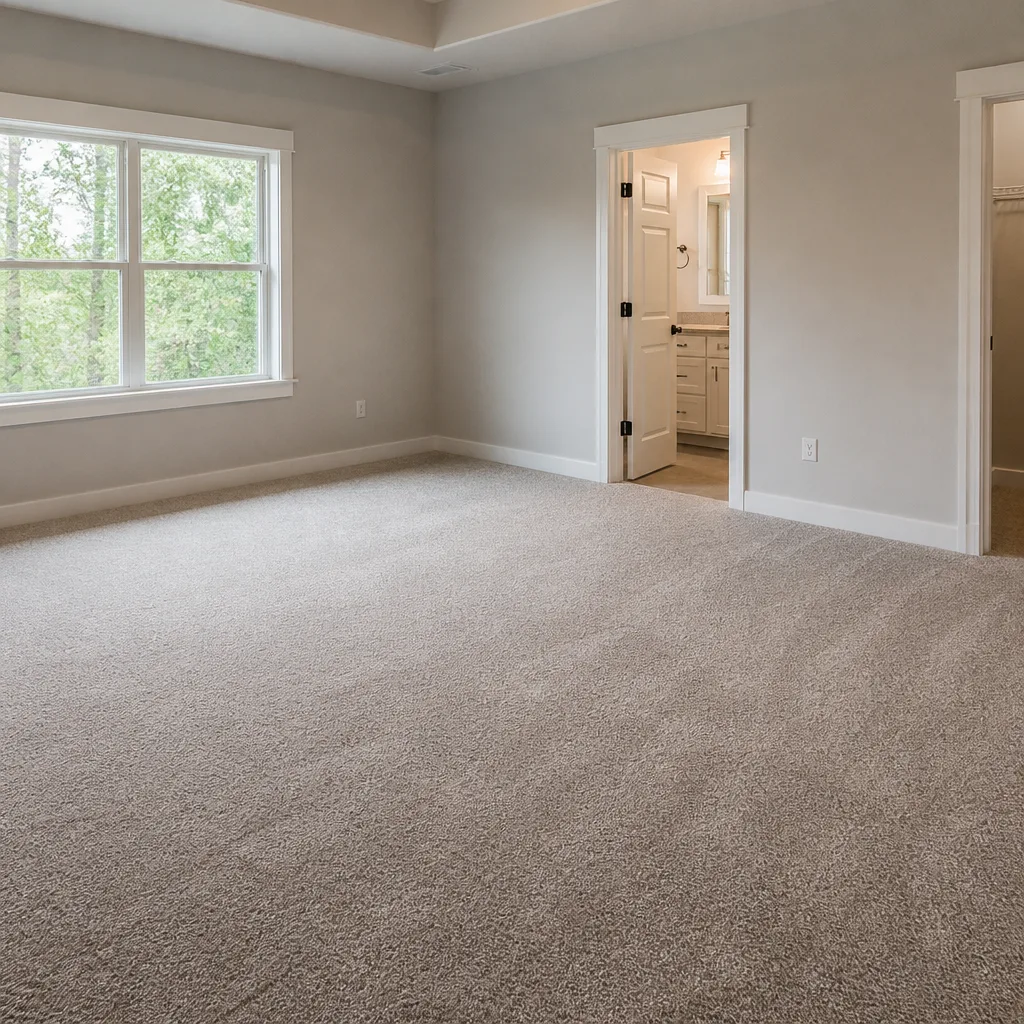 Carpet
 Shaw
 Mohawk
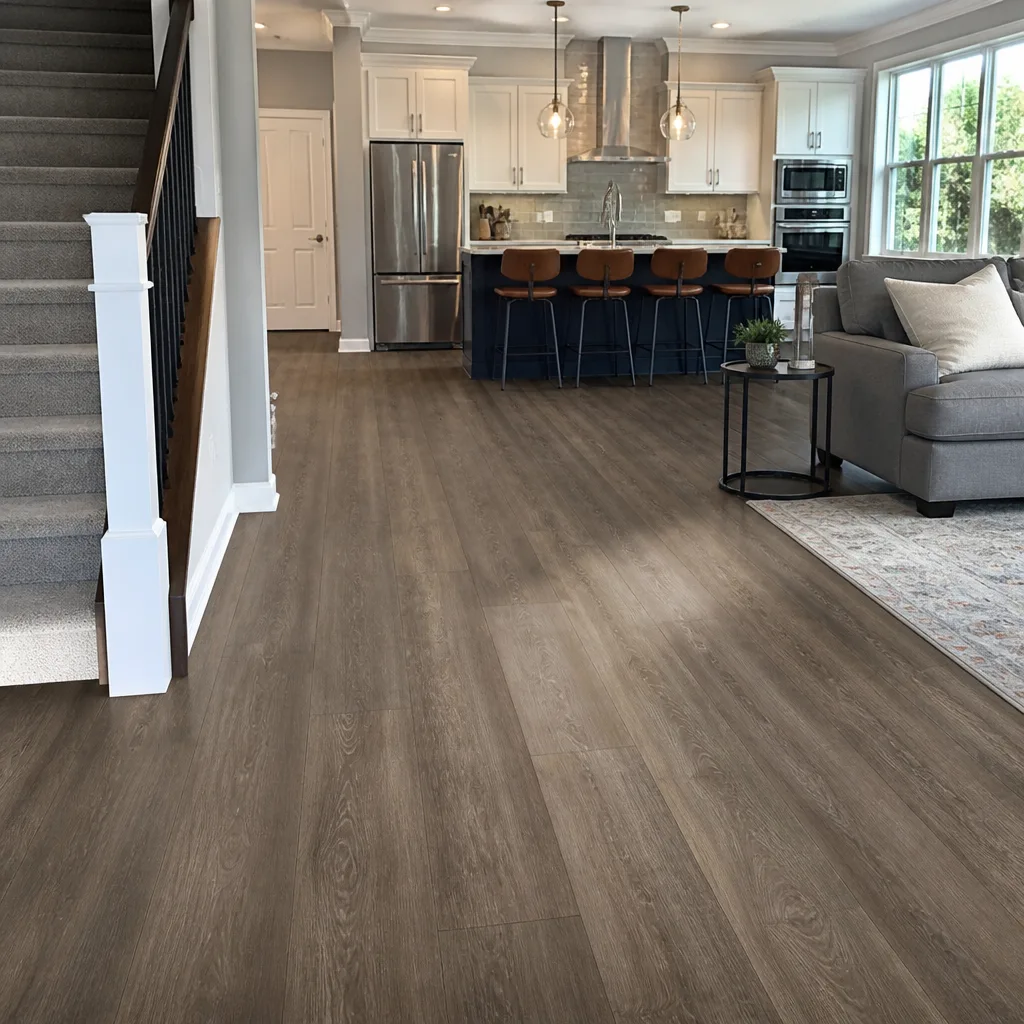 COREtec
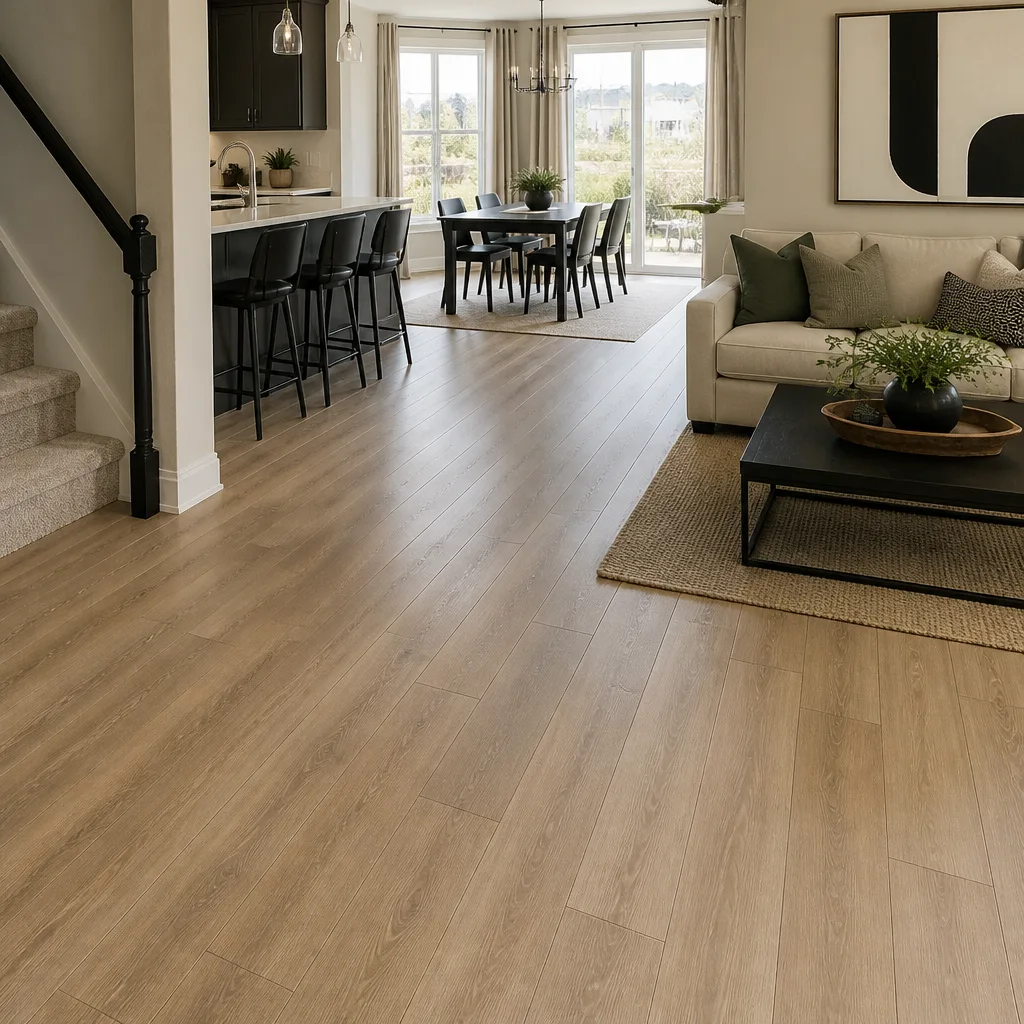 Pergo
Free in-home measure and written estimate: Shaw, Mohawk, COREtec and Pergo lines compared on your own rooms, with carpet, tile, vinyl plank, laminate and hardwood laid out side by side
Get your free estimateHardwood, Vinyl Plank, Laminate or Tile: How Winchester Homeowners Decide
Most flooring comparisons start in the wrong place. They line up hardwood against vinyl plank, laminate against tile, and argue about looks and price per square foot. But the material under your feet doesn’t get the final vote first. The subfloor does. A floor that can’t handle the flatness of your slab or the movement in your home will fail no matter how good it looks in a photo. Winchester sits in a dry desert valley where wood shrinks, gaps open, and laminate’s tight tolerances get tested every summer. This guide walks through how the decision actually works, room by room, so you can match material to structure, climate, and the way you live.
Quick Answer
In Winchester, hardwood wins in living and dining spaces where you can refinish instead of replace, tile wins in wet rooms and entryways, and vinyl plank wins where water resistance and easy care matter most. Laminate is the most climate-sensitive choice here because dry air causes it to gap, so it fits best in stable, conditioned rooms. Your subfloor’s flatness tolerance narrows the list before style ever enters the conversation.
Styles & brands we work with
- Hardwood
- Engineered hardwood
- Luxury vinyl plank
- Laminate
- Porcelain tile
- Carpet
- Shaw
- Mohawk
- COREtec
- Pergo
Table of Contents
- Why the Subfloor Makes the Decision First
- How Much Floor Deviation Each Material Can Absorb
- How Winchester’s Dry Climate Changes the Comparison
- Refinishing vs. Replacing Hardwood: The Real Math
- Total Cost of Ownership Over 10 Years
- Same Category, Different Performance Tiers
- Room-by-Room: Matching Material to Use
- What Flooring Costs in Winchester
Why the Subfloor Makes the Decision First
Before you pick a color or a plank width, the floor beneath the floor sets the rules. A concrete slab with high and low spots, a plywood subfloor with flex, or a transition between the two will each push you toward different materials. This isn’t a detail you can sort out after the product is chosen. It’s the first filter.
Here’s how we walk through it on an estimate visit. We’re looking at three things: flatness, moisture, and how the floor is fastened down.
- Flatness: How much the surface deviates from a true plane across the room, measured at the high and low points.
- Moisture: What’s happening in the slab or the wood framing, which affects adhesives, underlayment, and how wood behaves after it’s laid.
- Structure: Whether the subfloor is concrete, plywood, or a mix, and whether it deflects underfoot.
Each material has a different threshold for how much deviation it can tolerate before installation fails. Exceed that threshold and you’ll see rocking planks, cracked grout, hollow spots, or lifted edges within a season. In our experience across Winchester homes, the flatness question eliminates at least one material in most rooms before the homeowner ever expresses a preference.
The good news: subfloor prep is part of the job, not an afterthought. A written estimate accounts for leveling or patching so the product you choose has a surface it can actually live on. That single step is why some installations hold up for a decade and others don’t make it through one summer.
How Much Floor Deviation Each Material Can Absorb
This is where the comparison gets concrete. Each material class has a different tolerance for an uneven subfloor, and that tolerance is the number that should drive your shortlist.
- Tile: The least forgiving. Glazed porcelain and ceramic over a cement backer board or uncoupling membrane demand a very flat, very stable subfloor. Set tile over a surface that moves or dips and you get cracked grout lines and loose tiles. The upside: once it’s down over a properly prepped surface, tile is the most water-tolerant hard surface you can put in a home.
- Vinyl plank: More forgiving than tile but still sensitive to high and low spots. Rigid-core products tolerate minor deviation better than flexible vinyl, but rocking planks at a low point are a real failure mode. A slab that’s out of tolerance needs prep before plank goes down.
- Laminate: Requires a flat surface too, and because it floats, it’s also affected by how much the room moves with the seasons. A dip under a floating floor means flex, and flex means clicking joints that separate.
- Hardwood: More tolerant of minor irregularity because it’s fastened down, but it demands a moisture-stable environment. Wood moves with humidity, and in a desert valley that movement is part of the design. Refinishing existing hardwood sidesteps the flatness question entirely because the floor is already in place and settled.
If you’re dealing with a slab that’s noticeably out of true, the practical order of operations is: prep the subfloor, then choose. That may mean a self-leveling compound under tile, or a plywood underlayment over a slab to bring vinyl plank back into tolerance. Winchester homes vary widely in slab condition, so this check needs to happen in person.
How Winchester’s Dry Climate Changes the Comparison
Winchester sits in a dry desert valley, and that single fact reshapes the material debate. Wood releases moisture in dry air and takes it back on when humidity rises. That’s normal, and it’s why hardwood is installed with room to move at the edges. But the seasonal swing here is wide enough that it exposes the weakest link in any flooring system: joints that can’t expand and contract.
Here’s what happens to each material in a dry climate:
- Laminate: The most exposed. Laminate is a floating floor with tight panel joints, and when the air dries out and the room contracts, those joints open into visible gaps. In a mountain or high-desert climate with wide seasonal swings, we’re cautious about recommending laminate in rooms with big temperature swings or unmanaged indoor humidity. It does fine in a stable, conditioned living room. It struggles at the edges of a climate-controlled envelope.
- Vinyl plank: Less affected by humidity because it doesn’t move like wood or laminate. That stability is one of its real advantages here, and it’s why plank holds up in rooms that go from cool nights to hot afternoons.
- Tile: Essentially immune to humidity swings. Porcelain and ceramic don’t care about dry air. This is a strong argument for tile in entryways, kitchens, and bathrooms in Winchester.
- Hardwood: Moves, but predictably. Give it room at the perimeter and it settles into a rhythm. Refinishing existing wood that has already adjusted to the house is often smarter than introducing new material into a room with seasonal swings.
The takeaway: the drier the room and the wider the seasonal swing, the more you should lean toward materials that don’t depend on consistent indoor humidity. And in any home, a little moisture management (humidifier, consistent heating and cooling) protects every floor you put down.
Refinishing vs. Replacing Hardwood: The Real Math
Here’s a comparison most of the flooring conversation skips: whether to refinish the wood you already have rather than tear it out. In many Winchester homes with existing hardwood, refinishing is the smarter first move. It costs less than a full replacement, it keeps original character you can’t buy new, and it’s a restoration rather than a demolition.
But refinishing doesn’t work on every floor. The two limiting factors are the thickness of the wood (there has to be enough surface left to sand without hitting the tongue and groove) and its condition (deep water damage, widespread cupping, or prior over-sanding can rule it out). We check both at the estimate before quoting. If the floor is refinishable, the process looks like this:
- Inspect and measure. We check the wood thickness and look for damage, cupping, and previous sanding history.
- Sand and prep. Old finish comes off, the surface is leveled and smoothed.
- Stain and seal. A new color or a clear finish, chosen with you, then sealed for durability.
- Let it cure. The floor needs its cure time before furniture moves back for good. The product instructions and the written estimate set that timeline.
When refinishing is a fit, it preserves a floor that’s already acclimated to your home and avoids the material cost of new wood. When the wood is too thin or too damaged, replacement or a different material makes more sense. We’re honest about which side of that line your floor is on. That’s the service we care about most: restoring existing wood before defaulting to replacement.
Total Cost of Ownership Over 10 Years
Per-square-foot price is a snapshot. The number that should drive a flooring decision is what the floor costs you over a decade, including care, repairs, and whether you’re replacing it. Here’s how the four materials stack up when you think that way.
- Hardwood: Higher upfront, but if the wood is thick enough to refinish again down the road, you avoid a full replacement. A floor that gets sanded and sealed instead of torn out is a floor working in your financial favor. That refinishing option is the hardwood advantage no other material has.
- Vinyl plank: Lower upfront, and it handles water and traffic well, so repair and replacement likelihood stays low in the right rooms. It doesn’t refinish, so when it’s worn or damaged it gets replaced. Good choice where water exposure is real.
- Laminate: Moderate upfront, but climate sensitivity in this region raises the risk of joint gaps and earlier replacement. In a stable room it holds up. In a room with wide humidity swings, plan for a shorter lifespan.
- Tile: Higher material and installation cost, but almost no ongoing care and extreme durability. In entries, kitchens, and baths, tile is often the lowest cost per year over a decade because it just doesn’t wear out.
For landlords and property managers, this view matters even more. A material that costs less per square foot but needs replacing sooner can cost more per year than one that never comes back to the punch list. We’re glad to price both paths side by side so you can compare the lifecycle, not just the sticker.
Same Category, Different Performance Tiers
Two vinyl planks from two brands can behave like entirely different materials. That’s the part the hardwood-vs-LVP debate usually ignores: category isn’t the whole story. Within each material, there’s a range from entry-level durable to designer-grade, and the right pick depends on the room, not the label.
We supply and install nine name-brand flooring lines, which means we can stack real alternatives in front of you instead of steering you toward whatever happens to be in stock. Mannington and Karndean sit at the design-forward end of the luxury vinyl and tile conversation, with finishes that read high-end in a way a budget plank never will. Armstrong and Daltile give us strong mainstream and tile-grade options that stand up to daily traffic. If your priorities are water resistance and a busy household, the rigid-core products we carry are built for exactly that.
What changes character between tiers:
- Wear surface and finish: How the surface is built and how it takes scuffs and traffic over time.
- Core construction: Rigid cores resist moisture and temperature change better than softer constructions.
- Realism and texture: The difference between a floor that fooled you across the room and one you noticed was vinyl the moment you walked in.
- Installation demands: Some products need a flatter subfloor, some need specific underlayment, and some are more forgiving of a busy remodel schedule.
Because we handle carpet, tile, and hardwood under one roof, we can compare tiers across categories in one conversation. Nine brands, one conversation. That’s how you find the product that fits the actual household, not the highest-margin one.
Room-by-Room: Matching Material to Use
The fastest way to arrive at the right material is to stop asking “what’s the best floor” and start asking “what’s the best floor for this room.” Here’s how that mapping tends to go in Winchester homes.
- Living and dining rooms: Hardwood, especially existing wood worth refinishing, because it’s warmer underfoot and refinishing extends its life. Vinyl plank is a reasonable alternative where budget or moisture risk matters.
- Kitchen: Tile, for the water and dropped-pan resilience, or a rigid-core vinyl plank if you want softer footing and warmth.
- Bathrooms and laundry: Tile. There’s no serious argument here. Non-slip porcelain from our tile lineup is the practical choice.
- Entryways and mudrooms: Tile again. It takes grit and moisture without complaint.
- Bedrooms: Soft surface or wood. Carpet is still the warmest, quietest option, and our carpet installation covers the whole room properly. Vinyl plank also works if you want one hard floor throughout.
- Finished basements and rooms over concrete: Rigid-core vinyl plank. It handles moisture and temperature swings better than laminate or solid hardwood.
The best installs usually mix materials rather than force one floor through the whole house. A tile entry flowing into hardwood in the living space isn’t an inconsistency; it’s a decision made room by room. If you want a single hard surface throughout, vinyl plank is the most practical unified choice in a dry climate.
What Flooring Costs in Winchester
Cost is where most guides go vague, so here’s the structured view. These are typical estimates for the Winchester area, and the written estimate always sets the final price. Every job is priced per job, not per square foot in a marketing brochure.
- Hardwood refinishing: Usually the lowest cost per square foot of any hardwood path, since you’re restoring rather than replacing. Final cost depends on the floor’s condition and the finish you choose.
- Vinyl plank installation: Material cost varies widely by brand and tier. Expect entry-level and designer-grade options to sit at very different price points, with installation and subfloor prep on top.
- Laminate installation: Sits in a similar range to mid-tier vinyl plank, with the caveat that climate-driven replacement shortens its value over a decade.
- Tile installation: The widest range, because both material and prep (leveling, backer board, waterproofing in wet rooms) drive the number. Daltile and other glazed porcelain cover everything from everyday to designer-led projects.
What moves your number up or down:
- Subfloor condition and how much prep the room needs.
- The tier of product you choose within its category.
- Room size and layout complexity (stairs, transitions, awkward cuts).
- Removal and disposal of the old floor.
We price all of this in writing before anyone lifts a tool. If you want the fastest path to a real number, call (844) 761-8337 and we’ll set up a free estimate. We answer 24/7. Fast dispatch from 7am to 7pm, Sunday through Friday.
Common Mistakes to Avoid
- Choosing the material before checking the subfloor. Falling in love with a plank or a tile before the flatness test is how homeowners end up with a product their room can’t support. Check tolerance first, then shop.
- Assuming laminate handles a desert climate like a stable room. The gaps at the joints after a dry summer are the tell. If a room sees wide temperature swings, think twice about laminate there.
- Tearing out hardwood that could have been refinished. We see this often. If the wood is thick enough and not badly damaged, refinishing saves money and keeps the character of the floor.
- Picking by price per square foot alone. A cheaper floor that needs replacing sooner can cost more per year. Compare lifecycle, not just the sticker.
- Mixing a premium product with a skipped prep job. A designer-grade tile over an unleveled slab still cracks. Prep is part of the install, not a corner to cut.
- Using one material for the whole house to keep it simple. Tile in a bedroom or hardwood in a laundry room is a mismatch. Let each room make its own case.
- Skipping the moisture conversation. Dry air in Winchester is a factor in every wood and laminate install. Managing indoor humidity protects the floor.
See the difference
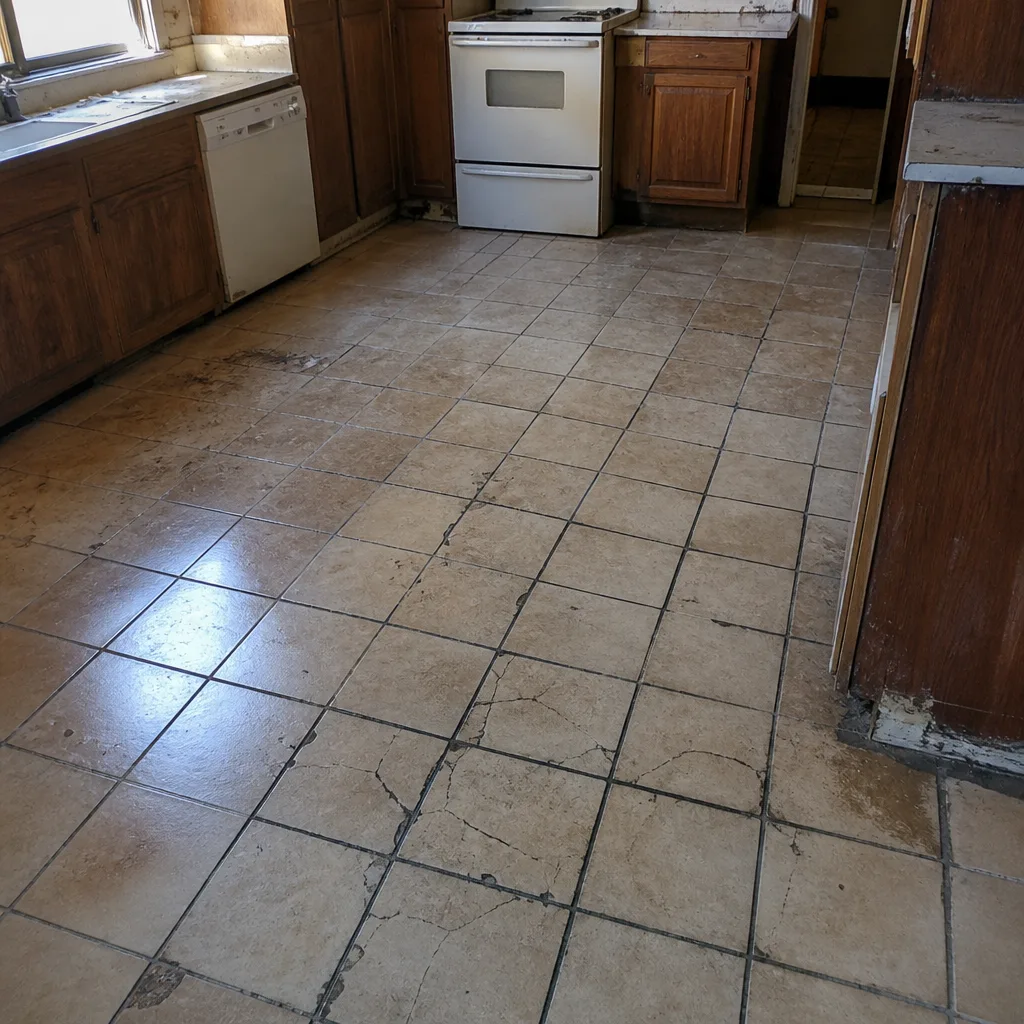 Before
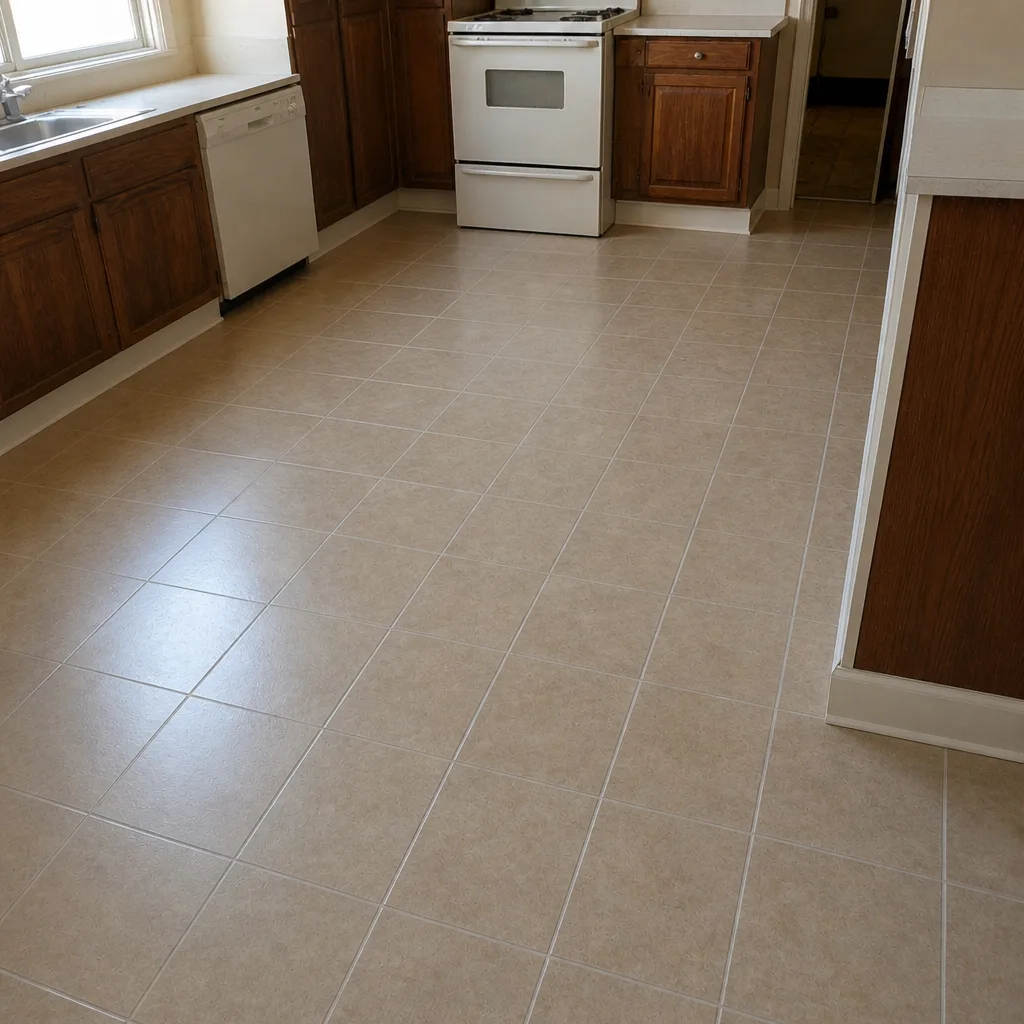 After
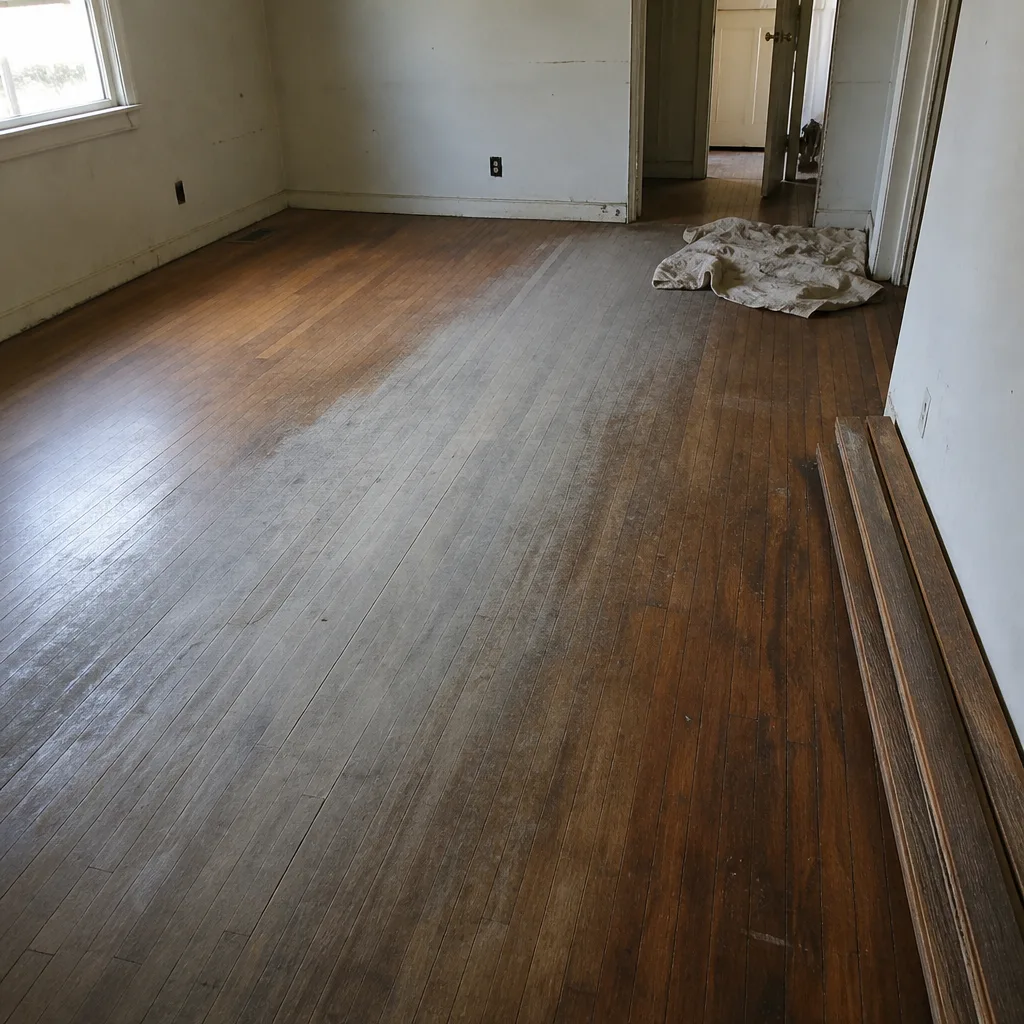 Before
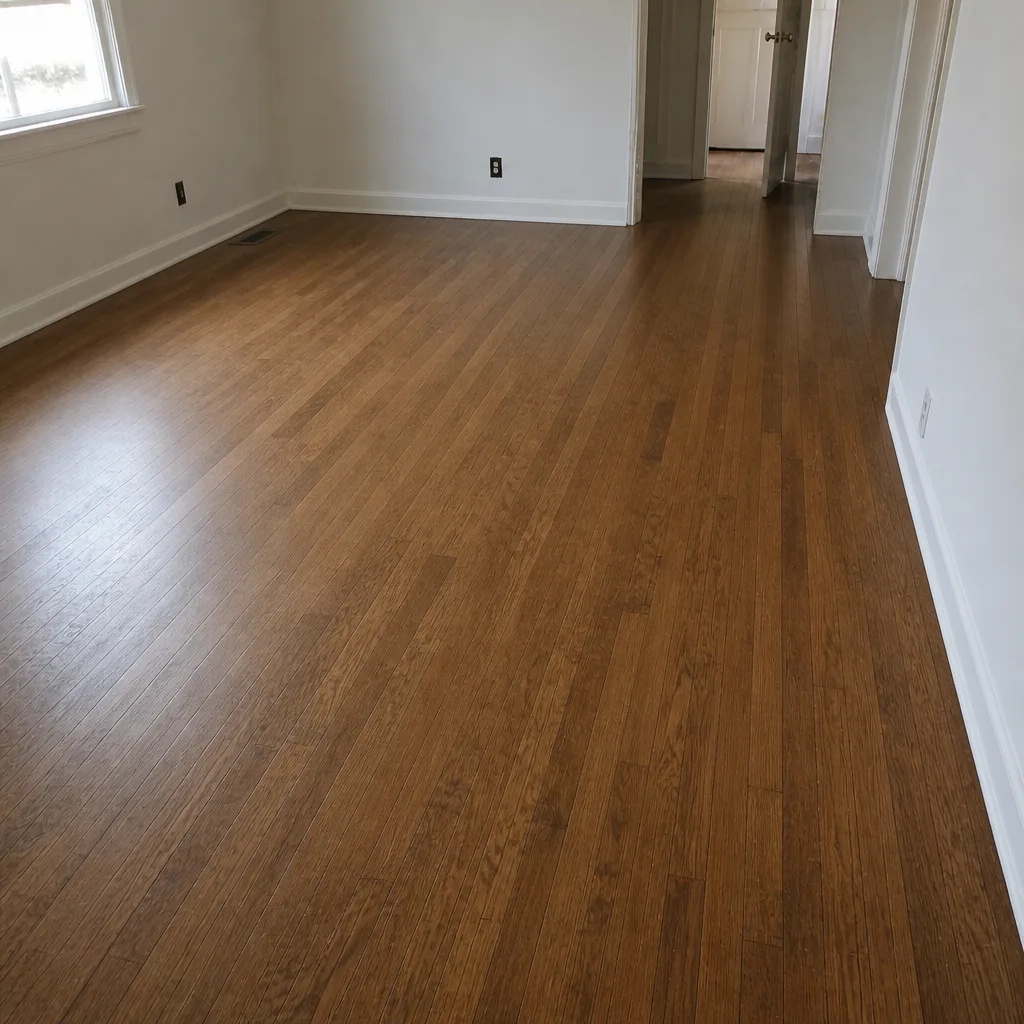 After
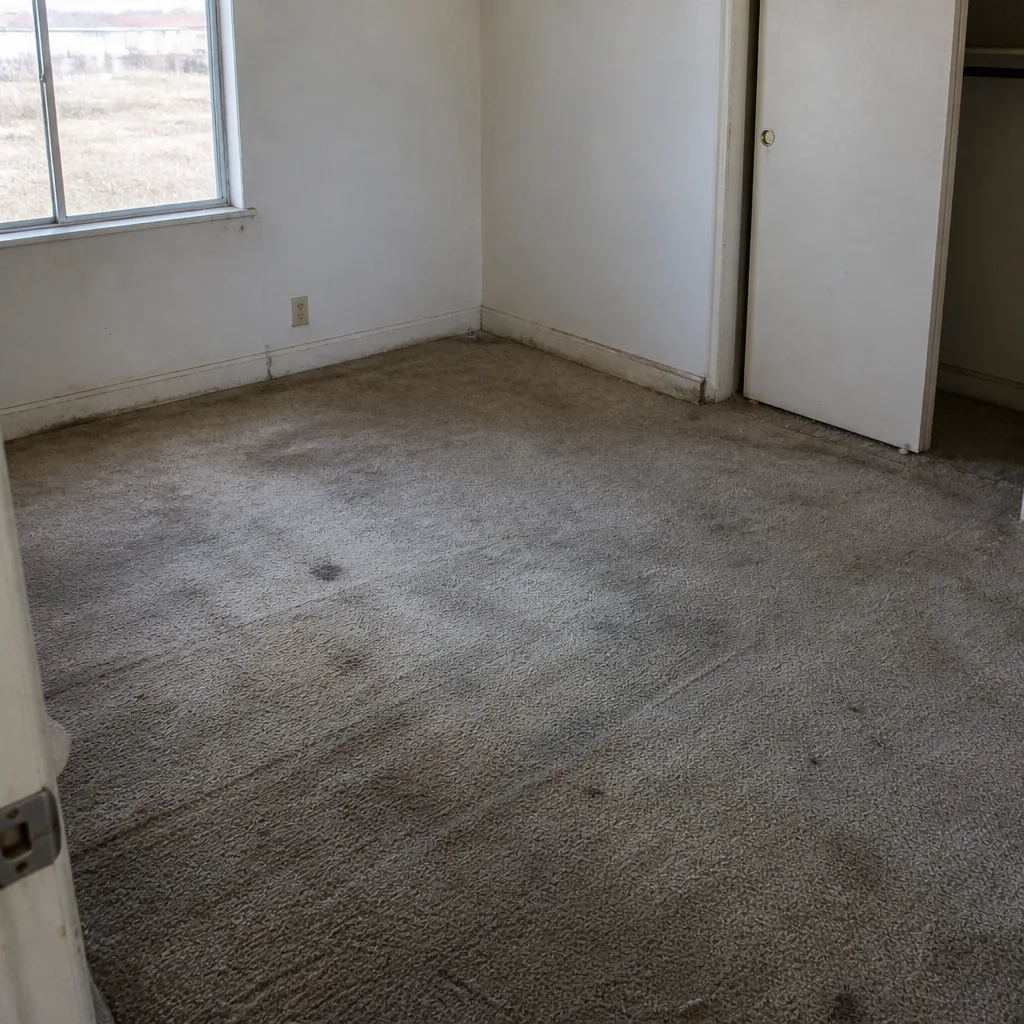 Before
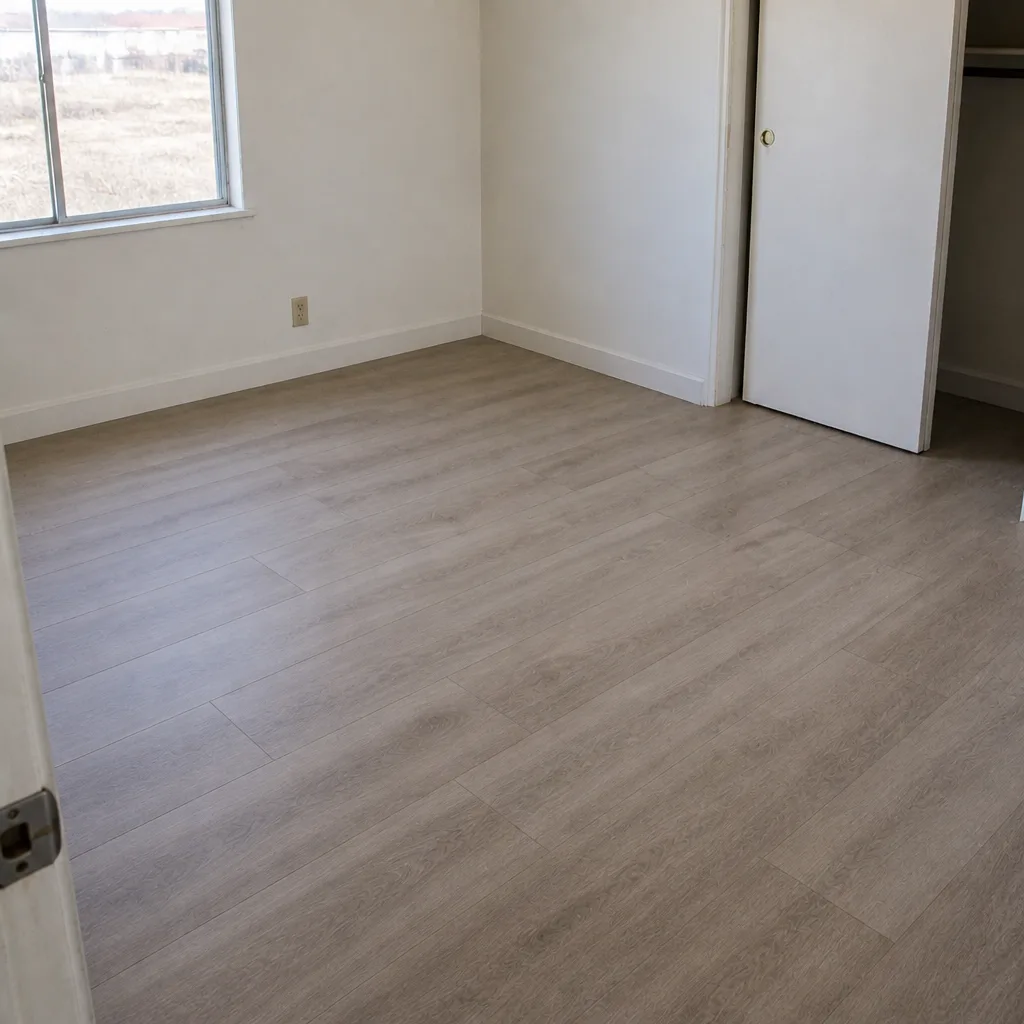 After
When to Call a Professional
Some flooring questions are simple: a worn finish in a hardwood living room is a refinishing candidate and worth a look. Others are genuinely risky. If your subfloor has high and low spots you can feel, if you’re unsure whether your existing hardwood is thick enough to refinish, if a tile floor has cracked grout lines and you don’t know if the fault is the tile or what’s under it, or if water has worked its way under a plank floor, get a professional eyes-on assessment. These are the scenarios where measuring, checking moisture, and testing the subfloor determine whether any product succeeds. We install and service the floor you choose, and we’ll tell you honestly when a room’s structure rules something out.
Flooring Winchester offers free estimates in Winchester and the surrounding area. Call (844) 761-8337 to schedule yours. We answer 24/7. Fast dispatch from 7am to 7pm, Sunday through Friday.
Frequently Asked Questions
Hardwood is better in living and dining rooms where you want warmth and can refinish rather than replace, while vinyl plank is better where water exposure and easy care matter most. In Winchester’s dry climate, plank’s stability is a real advantage in rooms with seasonal swings, and hardwood’s refinishing value is unmatched in main living areas. The right answer depends on the room, not the category.
Laminate can work in a stable, conditioned room, but it’s the most climate-sensitive material in this region. Dry air causes the floating panels to contract and joints to open into visible gaps. In rooms with wide daily or seasonal swings, we’re cautious about recommending it. Call (844) 761-8337 for an honest read on your specific room.
Refinish first if the wood is thick enough and the surface isn’t badly water-damaged. Refinishing typically costs less than full replacement and preserves original character that new wood can’t reproduce. The deciding factors are wood thickness and condition, both checked at the estimate. Call (844) 761-8337 to find out which path your floor is on.
It varies by material and prep. Hardwood refinishing is usually the lowest cost of the hardwood options, vinyl plank and laminate sit in the middle, and tile has the widest range because of leveling and waterproofing. We price every job per job with a written estimate, so the final number reflects your room, not a national average. Call (844) 761-8337 for a free quote.
Tile, in almost every case, because porcelain and ceramic handle water and don’t care about humidity swings. A rigid-core vinyl plank is a reasonable second choice if you want a softer surface. In Winchester homes, tile in wet rooms is the choice that avoids the most callbacks.
Yes. The in-home estimate is free, and you’ll get a written price before any work is scheduled. There’s no pressure to commit to a product at the visit; the point is to measure, check your subfloor, and give you a real number. Call (844) 761-8337 to book yours.
The schedule is set at the estimate, once we know the room size, material, and prep needed. Larger rooms and less-forgiving materials like tile generally take longer than vinyl plank or laminate. We’ll give you a clear timeline in writing before the install day. Call (844) 761-8337 to start the estimate.
The Bottom Line
The hardwood-vs-vinyl-vs-laminate-vs-tile debate settles itself once you check the subfloor and the climate. Flatness tolerance and dry-air movement narrow your options to the materials that will actually hold up in each room. Hardwood earns its place in living spaces where refinishing extends its life, tile owns wet rooms and entries, vinyl plank handles moisture and traffic with the least fuss, and laminate fits only the most stable rooms in a desert climate. Get the estimate, check the subfloor, and let the room decide.
Flooring Winchester supplies and installs carpet, tile, and hardwood refinishing from nine name brands, and we manage product selection and installation as a single job. To start with a free estimate, call (844) 761-8337. We answer 24/7. Fast dispatch from 7am to 7pm, Sunday through Friday.
Written by the team at Flooring Winchester.