
Last updated November 18, 2026
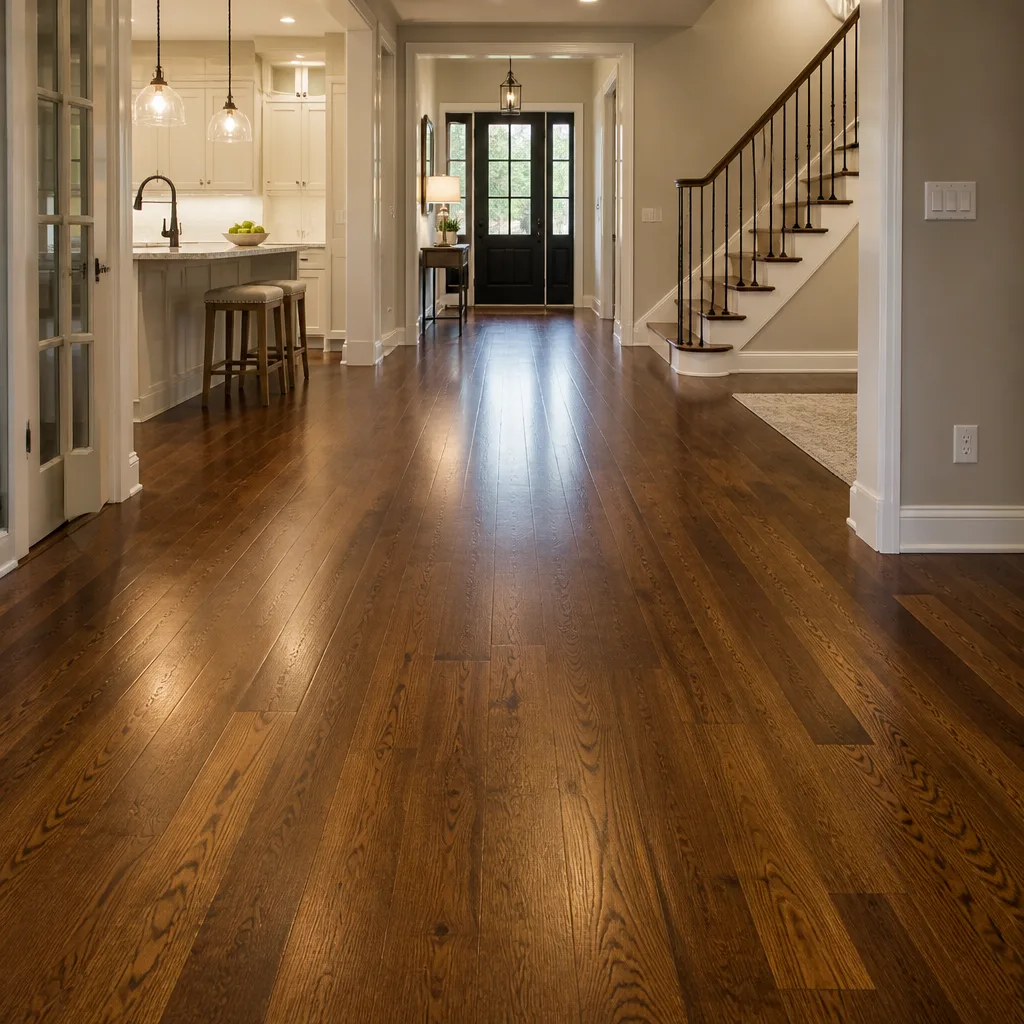 Hardwood
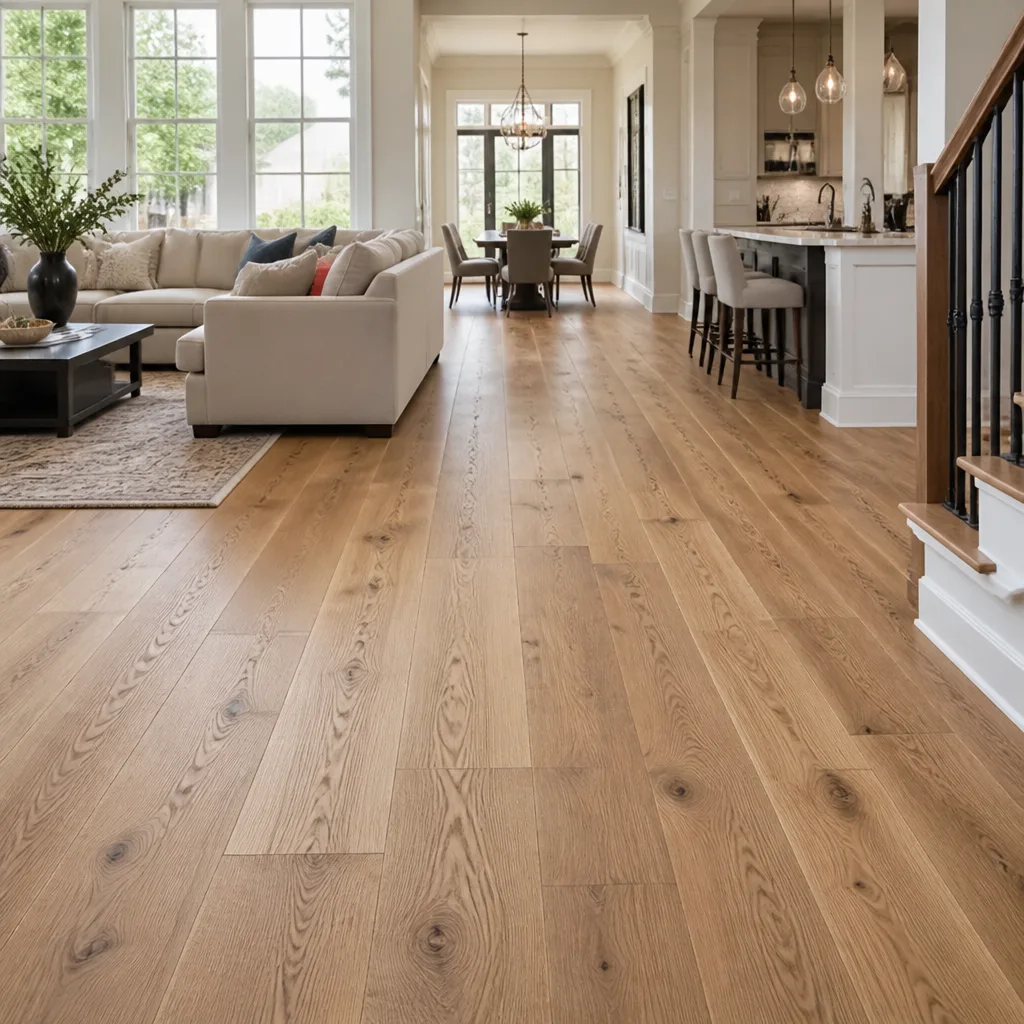 Engineered hardwood
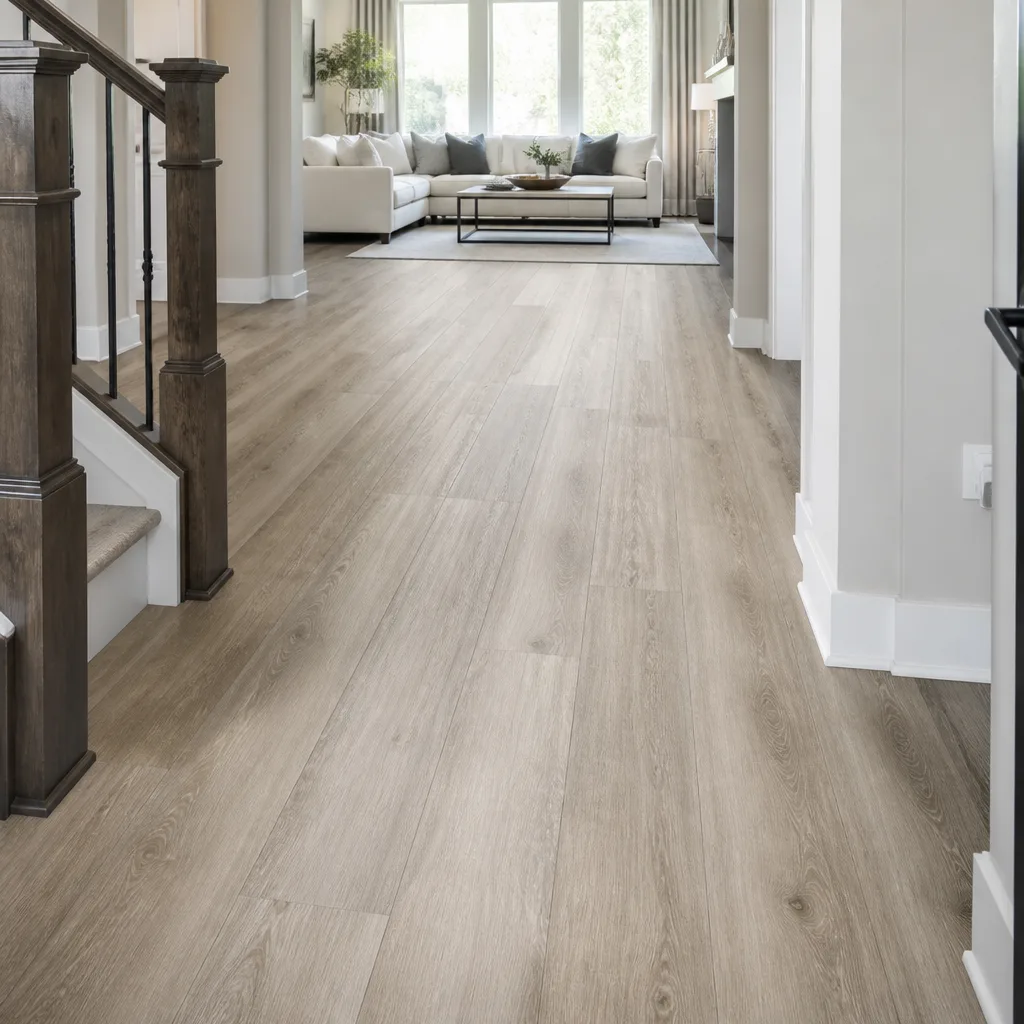 Luxury vinyl plank
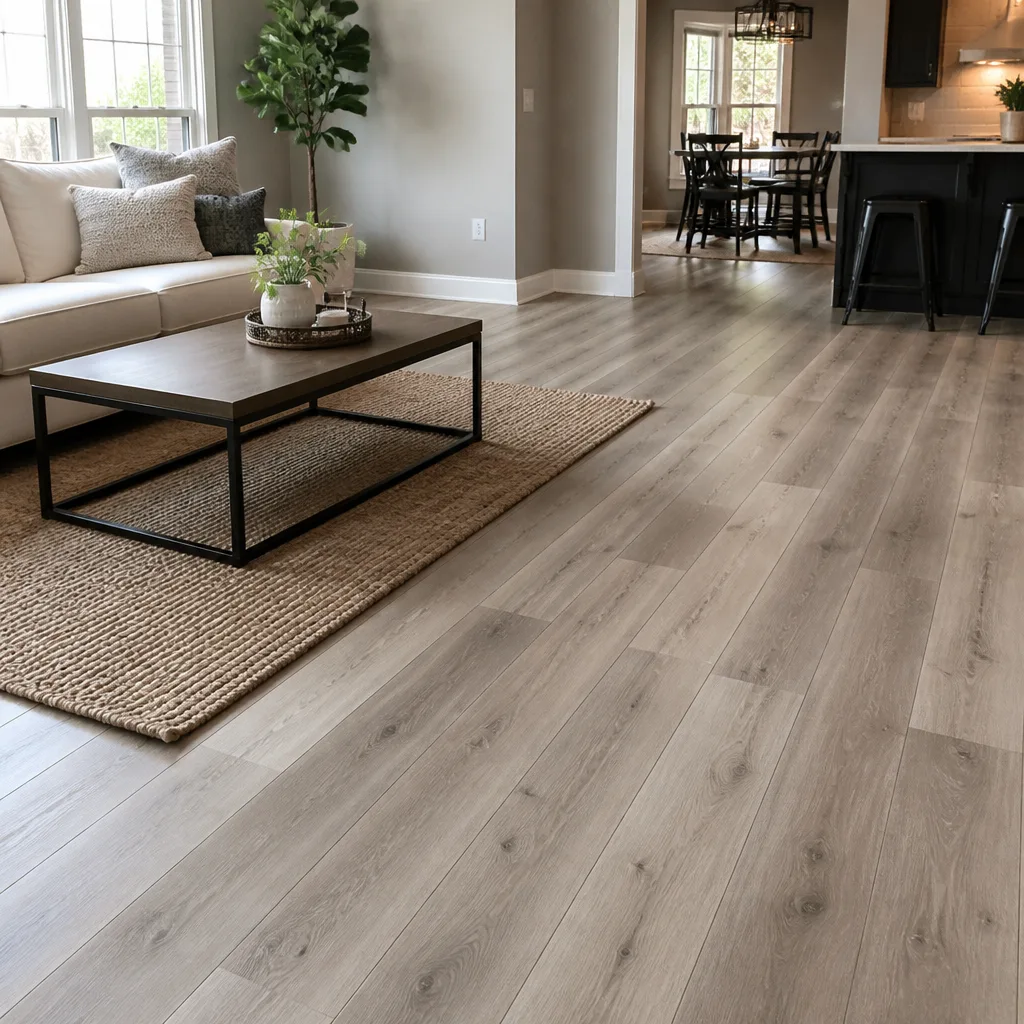 Laminate
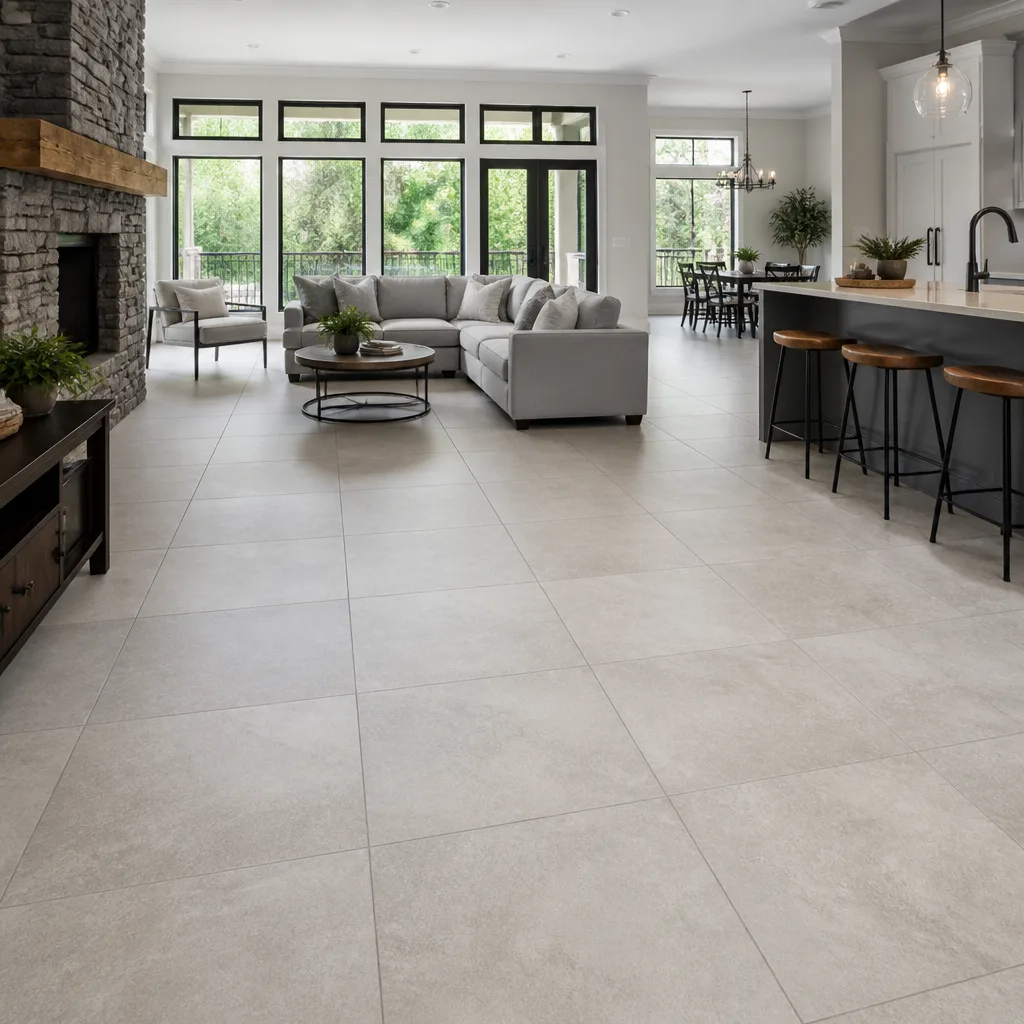 Porcelain tile
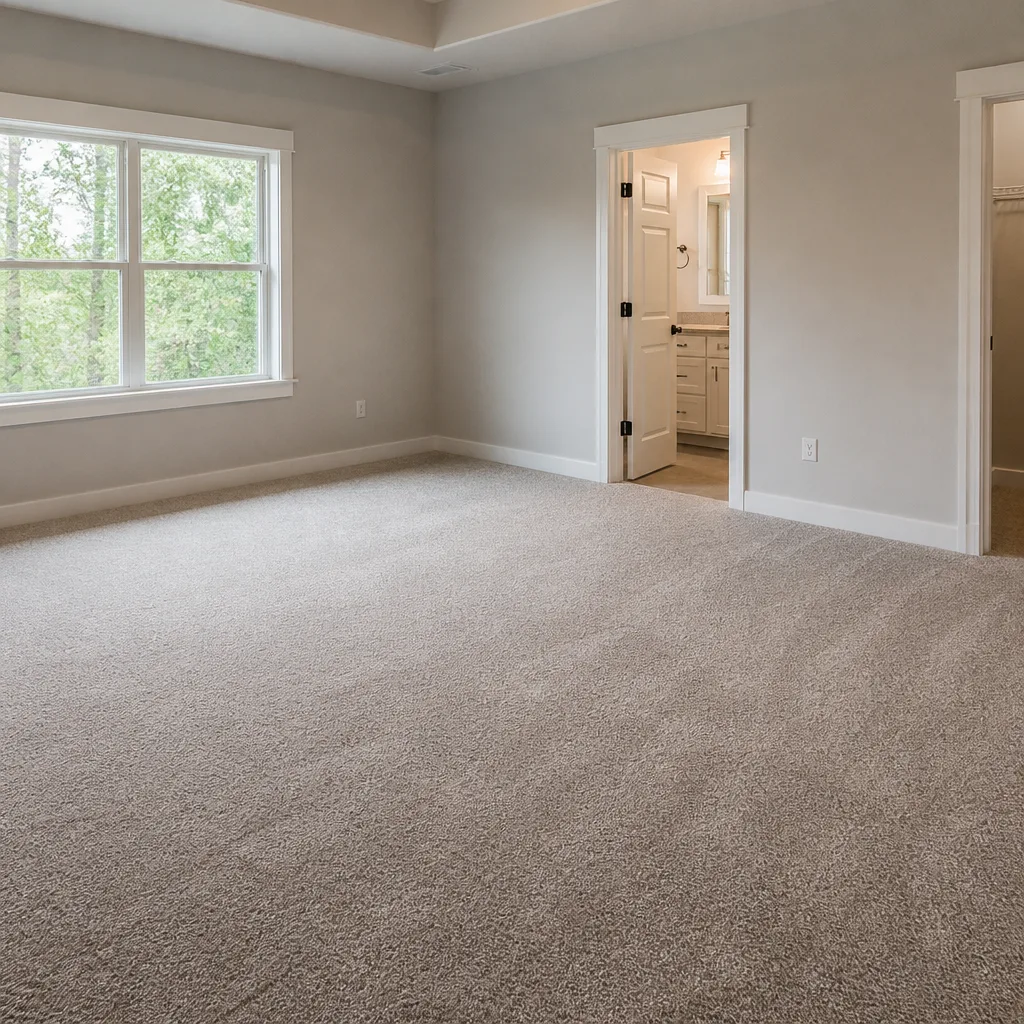 Carpet
 Shaw
 Mohawk
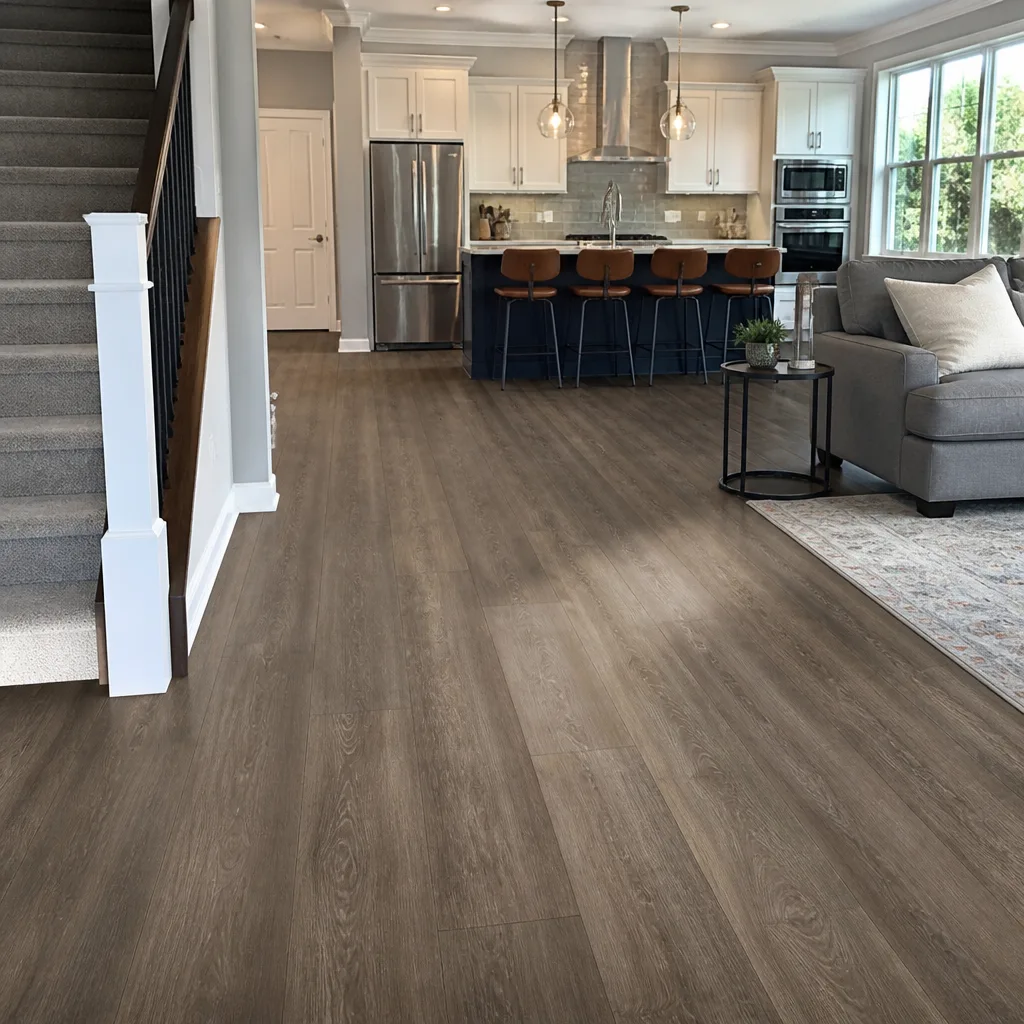 COREtec
 Pergo
Free in-home measure and written estimate: Shaw, Mohawk, COREtec and Pergo lines compared on your own rooms, with carpet, tile, vinyl plank, laminate and hardwood laid out side by side
Get your free estimateHow to Hire a Flooring Contractor in Winchester: A Step-by-Step Guide
Most flooring regrets start before a single plank comes out of the box. The homeowner spends weeks comparing colors and wear layers, then picks an installer in an afternoon based on the lowest bid. The result is a beautiful product that gaps at the seams, rocks over a subfloor nobody tested, or peels at the transition because the wrong trim was used. Hiring well in Winchester means vetting whether a contractor can handle your specific subfloor, product, and room configuration before the first cut. This guide gives you a concrete evaluation framework: the technical questions to ask, how Nevada licensing works, what a bid should include, and how to structure payments so you stay protected at every milestone. You’ll leave knowing exactly what to ask and what to walk away from.
Quick Answer
Hiring a flooring contractor in Winchester means first confirming the contractor holds a valid Nevada state license, then asking five technical questions about subfloor preparation, moisture testing, acclimation, transitions, and disposal before you ever talk price. A trustworthy bid lists those line items in writing, ties payments to project milestones, and comes from a specialist whose crew installs the material category you’re buying rather than a generalist who subcontracts everything. The contractor you choose matters more than the product you pick.
Styles & brands we work with
- Hardwood
- Engineered hardwood
- Luxury vinyl plank
- Laminate
- Porcelain tile
- Carpet
- Shaw
- Mohawk
- COREtec
- Pergo
Table of Contents
- The Five Technical Questions to Ask Before You Discuss Price
- What Nevada Contractor Licensing Requires, and How to Verify It
- Red Flags in Flooring Bids: Subfloor, Moisture, Disposal
- Why Specialty Flooring Providers Reduce Accountability Gaps
- How to Structure the Payment Schedule to Protect Yourself
- Matching the Material to the Room in a Desert-Climate Home
- A Step-by-Step Walkthrough of the Hiring Process
- Refinishing Existing Hardwood Before You Replace It
The Five Technical Questions to Ask Before You Discuss Price
Price is the last conversation, not the first. Before a prospective contractor quotes you a number, they should be able to explain how they handle the parts of the job you can’t see. In our experience, the answers to these five questions tell you more about the finished floor than any glossy brochure. Ask each one and listen for a specific, technical reply rather than a confident general one.
- How do you diagnose and prep the subfloor? A serious contractor inspects for flatness, deflection, and soundness before installation. They should describe how they check the slab or plywood, and what they do if it isn’t sound. If the answer is “we just lay it down,” keep looking.
- Do you test for moisture, and how? In a dry Southern Nevada climate, moisture can still come up through a slab or hide in a crawlspace. The contractor should describe a real test, not a guess, and explain how the result shapes the plan.
- What is your acclimation protocol for this product? Solid and engineered wood, laminate, and vinyl all want to settle to room conditions before install. The exact time depends on the product and the home, but the contractor should have a defined protocol tied to the product instructions.
- How will transitions and doorways be handled? Where one floor meets another, or where a door swings into a new floor, transitions are where cheap jobs fail. Ask how they measure and finish these points.
- What happens to the old flooring? Removal, haul-away, and disposal are labor and cost. A bid that ignores them is either incomplete or padded somewhere else.
If you’re comparing a few companies for Flooring Winchester, these five questions separate the specialists from the order-takers faster than any review site. For a more detailed look at a single category, our guide to carpet installation walks through the questions specific to soft surfaces.
What Nevada Contractor Licensing Requires, and How to Verify It
Nevada requires contractors to be licensed by the state through the Nevada State Contractors Board, and flooring work performed for a homeowner falls under that requirement. That isn’t a formality. A license means the contractor has met the state’s qualification standards, and it gives you a place to check a record and file a complaint if something goes wrong. Before you sign anything, confirm the license is active and matches the company’s legal name.
Verification takes about a minute:
- Ask the contractor for their license number in writing, on the estimate or bid document.
- Look up that number on the Nevada State Contractors Board’s public license search.
- Confirm the name on the license matches the name on your contract, not just a trade name.
- Check that the license status is active and that the classification covers flooring work.
- Ask for a certificate of insurance for general liability and workers’ compensation, and confirm it’s current.
Be wary of any contractor who dodges the license question or says “we don’t need one for this.” Ask for the number on paper. Ask to see the insurance certificate. A contractor who has done this for years will hand both over without a pause. If they hesitate, treat it as your answer and move on.
While you’re at it, ask how they handle permits. Most cities require a permit for certain structural or subfloor work, so ask your city’s building department what applies to your project. The contractor should know, or know how to find out, which permits your job triggers in Winchester.
Red Flags in Flooring Bids: Subfloor, Moisture, Disposal
A bid is a document you can read line by line, and the gaps tell you as much as the totals. The red flags below show up in flooring bids across Winchester, and each one points to a job that will cost more later or fail sooner. Read the bid against this list before you compare prices.
- No subfloor line item. Preparation is real labor. A bid that skips subfloor inspection, leveling, or repair is either assuming a perfect floor (unlikely) or planning to surprise you once the old material is up.
- No mention of moisture testing. If the bid doesn’t reference testing, ask directly. In a desert climate, a slab can still hold moisture that ruins an install.
- Vague disposal terms. “Removal included” is not the same as “old material hauled away and dump fees paid.” Ask exactly who takes the debris and where the cost sits in the bid.
- No product-specific notes. A solid bid references the actual product you chose and any instructions that affect installation, such as acclimation or subfloor requirements.
- One lump sum with no breakdown. A single number with no itemization hides where money goes and makes it impossible to compare bids fairly.
- Pressure to sign on the spot. A reputable contractor gives you time to read and compare. A deadline-driven “today only” price is a sales tactic, not a quote.
- No written warranty or workmanship terms. The written estimate should state what the contractor stands behind and what the product manufacturer covers separately.
Compare two or three written bids side by side, not just by bottom line. The bid with more line items is often the one that will actually deliver the floor you paid for.
Why Specialty Flooring Providers Reduce Accountability Gaps
When something goes wrong on a flooring job, the first question is who owns the problem. In a general remodeling operation that subcontracts flooring to whoever is available, that answer gets murky fast. The general contractor blames the flooring sub, the sub blames the product, and you’re stuck in the middle. A specialty flooring provider shortens that chain.
A focused flooring company handles the material category as a specialty rather than a checkbox. The crew installing tile is trained in tile, not just general carpentry. The crew installing carpet understands stretch, seam placement, and tack strip. That depth matters when a room has an awkward layout or a tricky transition. It also means one company manages product selection, procurement, and installation for your project, so accountability sits in one place.
That’s the model we work from at Flooring Winchester. We supply and install from nine brand lines, and each material category gets the attention it deserves. For a design-forward bathroom or kitchen, our tile flooring installation service works with porcelain and ceramic from brands like Daltile, while a hardworking family room might call for the rigid-core construction of COREtec or LifeProof. When one team owns the whole conversation, there’s no gap between what you were sold and what gets installed.
For landlords and property managers comparing options across several units, this matters even more. Lifecycle cost depends on how well the floor was installed as much as on the material. A single point of contact keeps that consistent from unit to unit.
How to Structure the Payment Schedule to Protect Yourself
Never pay the full amount upfront, and never pay a deposit that exceeds what’s reasonable for materials. A payment schedule tied to milestones protects you at every stage. The exact terms belong in the written contract, and the estimate sets the final price before work begins. Here’s a structure that keeps the risk on the contractor’s side until the job is done.
- Small deposit at contract signing. This covers ordering materials and reserving the install date. Keep it modest and get a receipt.
- Progress payment when materials are on site. Once the product is delivered and you can verify it’s what you ordered, a second payment is reasonable.
- Payment at rough completion. When the main install is done but punch-list items remain, hold back a meaningful portion until those are finished.
- Final payment after your walkthrough. Walk the floor with the contractor. Check transitions, baseboards, seams, and edges. Pay the balance only when everything on the list is addressed.
Put the schedule in writing and reference it in the contract. If a contractor insists on most of the money before work begins, that’s a red flag, not a standard practice. Tie every payment to a milestone you can see, and don’t let the paperwork get vague about what “complete” means.
Matching the Material to the Room in a Desert-Climate Home
The right floor for how you actually live in that room beats the floor with the best showroom lighting. Winchester sits in the Mojave Desert, which shapes how materials behave indoors. Summer heat and low indoor humidity, plus the dry winter air, mean wood and laminate need to settle to interior conditions before install, and a slab foundation needs a moisture check even in a dry climate. The contractor should treat those conditions as part of the job.
Here’s how the categories break down by room and household:
- Carpet softens bedrooms and living spaces and quiets a room. Shaw and Mohawk lines cover both budget durables and softer luxury surfaces.
- Tile handles entryways, bathrooms, kitchens, and mudrooms where water and dirt land first. Glazed porcelain from Daltile gives you a hard-wearing surface that stands up to daily traffic.
- Vinyl plank and laminate work well in busy family rooms and rentals. COREtec and LifeProof offer rigid-core and water-resistant options, while Pergo and Armstrong cover the durable, budget-conscious end of the market.
- Hardwood refinishing restores existing wood floors, preserving their original character instead of tearing them out.
Mannington and Karndean round out the roster for homes that want a designer look without sacrificing durability. Nine brands, one conversation, so you’re not driving between big-box stores trying to compare products that aren’t on the same shelf. When you’re ready to talk through options in Winchester, the right starting point is a free in-home measurement and a written estimate.
A Step-by-Step Walkthrough of the Hiring Process
Here is the full sequence, from first search to final payment. Follow the steps in order and you’ll avoid the most common hiring mistakes.
- Define the rooms and the budget range. Know which spaces you’re flooring and how you plan to use them. This frames every conversation that follows.
- Shortlist two or three flooring-focused contractors. Look for companies that handle your material category as a specialty, not a general remodeler.
- Verify the license and insurance. Look up the license number with the state board and confirm insurance certificates are current before you schedule a visit.
- Book a free in-home measurement and estimate. The contractor should measure the rooms, inspect the subfloor, and note conditions that affect installation.
- Ask the five technical questions. Subfloor, moisture, acclimation, transitions, disposal. Listen for specific answers.
- Compare written bids line by line. Check for subfloor prep, moisture testing, material specs, and disposal terms in each one.
- Agree on a payment schedule tied to milestones. Put it in the contract before any work begins.
- Confirm the install date and walkthrough plan. The schedule is set at the estimate, and you should know how the final walkthrough will run.
When the job is scheduled, the install is a booked day, not a drop-in. Our team books the date at the estimate so you know what to expect. If you’re planning a room refresh across Winchester, the walkthrough above is the same one we use.
Refinishing Existing Hardwood Before You Replace It
If your home already has hardwood under the carpet or beneath worn finish, refinishing is often the smarter first option. It restores the original wood instead of replacing it, which preserves the character of the home and usually costs less than a full new install. But not every floor can be refinished. It depends on the thickness of the wood and its condition, and the estimate visit is where that gets checked.
A proper refinish involves sanding off the old finish, repairing damaged boards, and applying a new stain and topcoat. The result depends on how much good wood remains and whether the boards are sound. We won’t promise that every floor can be refinished or that a stain will match a sample exactly, because that call comes from looking at the actual floor. What we can do is evaluate your existing wood and give you a straight answer about whether refinishing makes sense or replacement is the better path. Our technicians have up to 8 years of experience with wood floors, and refinishing is a core service for us rather than an add-on.
If the wood is too thin or too damaged, a new floor may be the honest recommendation. Either way, you get the answer before you spend, not after.
Common Mistakes to Avoid
- Choosing on price alone. The lowest bid often leaves out subfloor prep or disposal, then adds those costs once the job starts. Compare line items, not totals.
- Not verifying the license. A contractor who can’t produce a state license number on paper is a risk you don’t need to take. Check it in the public record before signing.
- Skipping the in-home measurement. Buying material before anyone has measured the rooms or inspected the subfloor invites waste and surprises. Get the free measure and written estimate first.
- Ignoring moisture on a slab. In Winchester’s desert climate, a slab can still hold moisture that damages an install. Ask how it will be tested.
- Paying too much upfront. A large deposit hands leverage to the contractor. Structure payments around milestones and hold back until the walkthrough.
- Treating acclimation as optional. Wood and laminate need to settle to room conditions. A contractor who skips that step is cutting a corner that shows up later.
- Not asking about the existing floor. If you have hardwood worth saving, refinishing may beat replacement. Ask before you tear anything out.
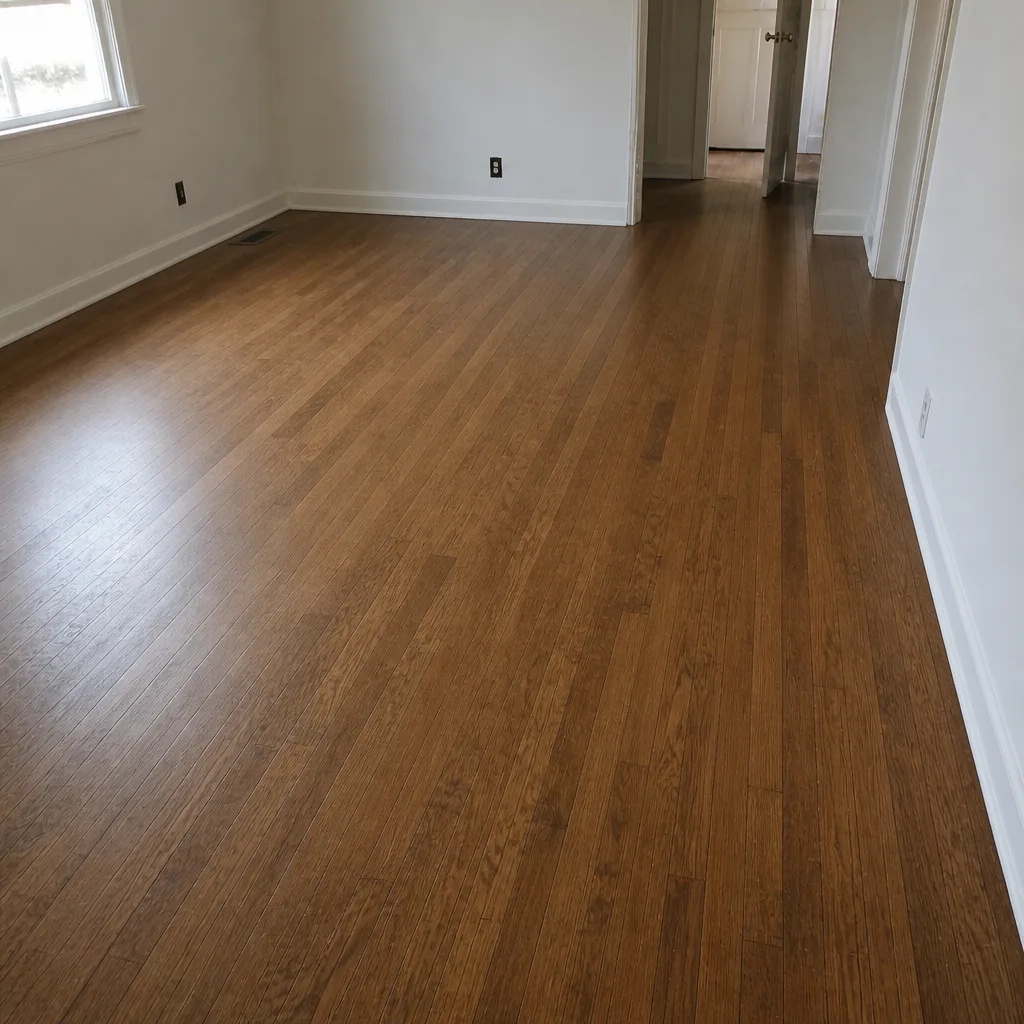
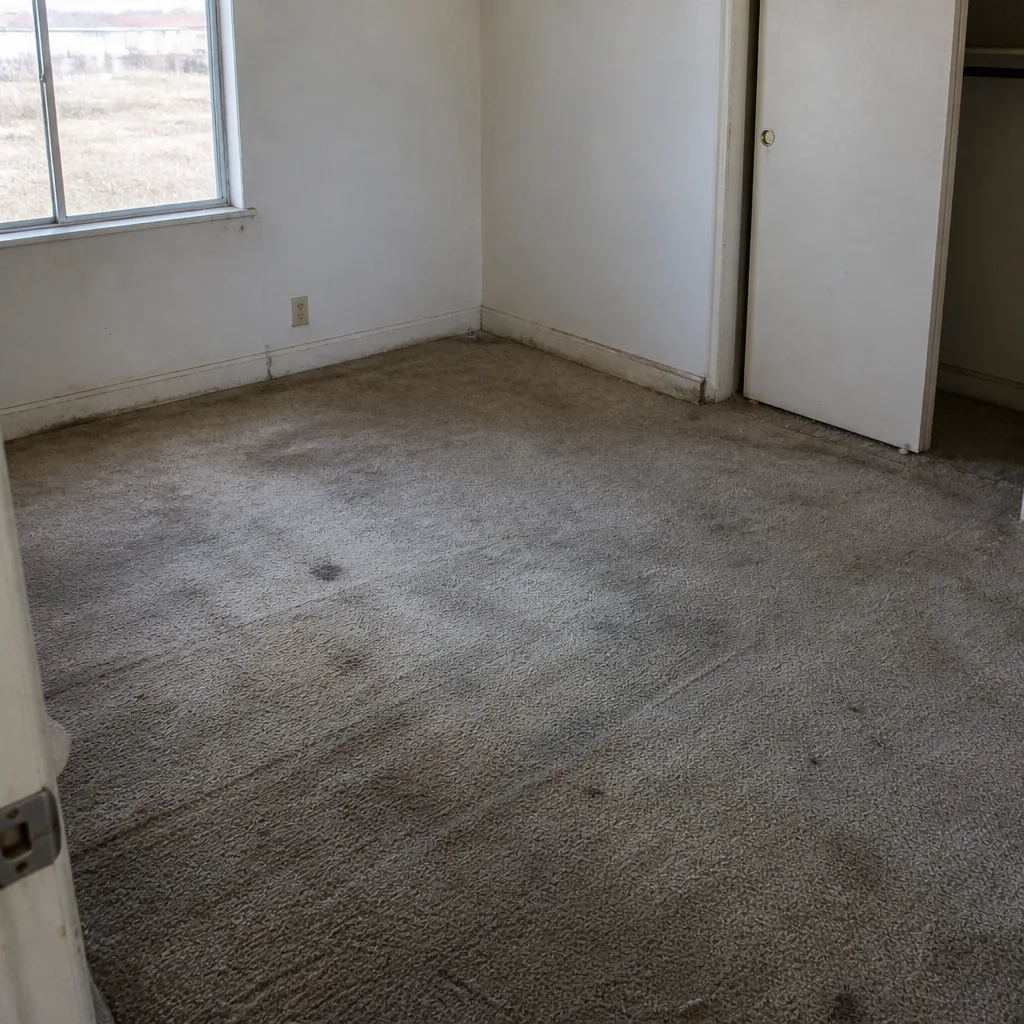
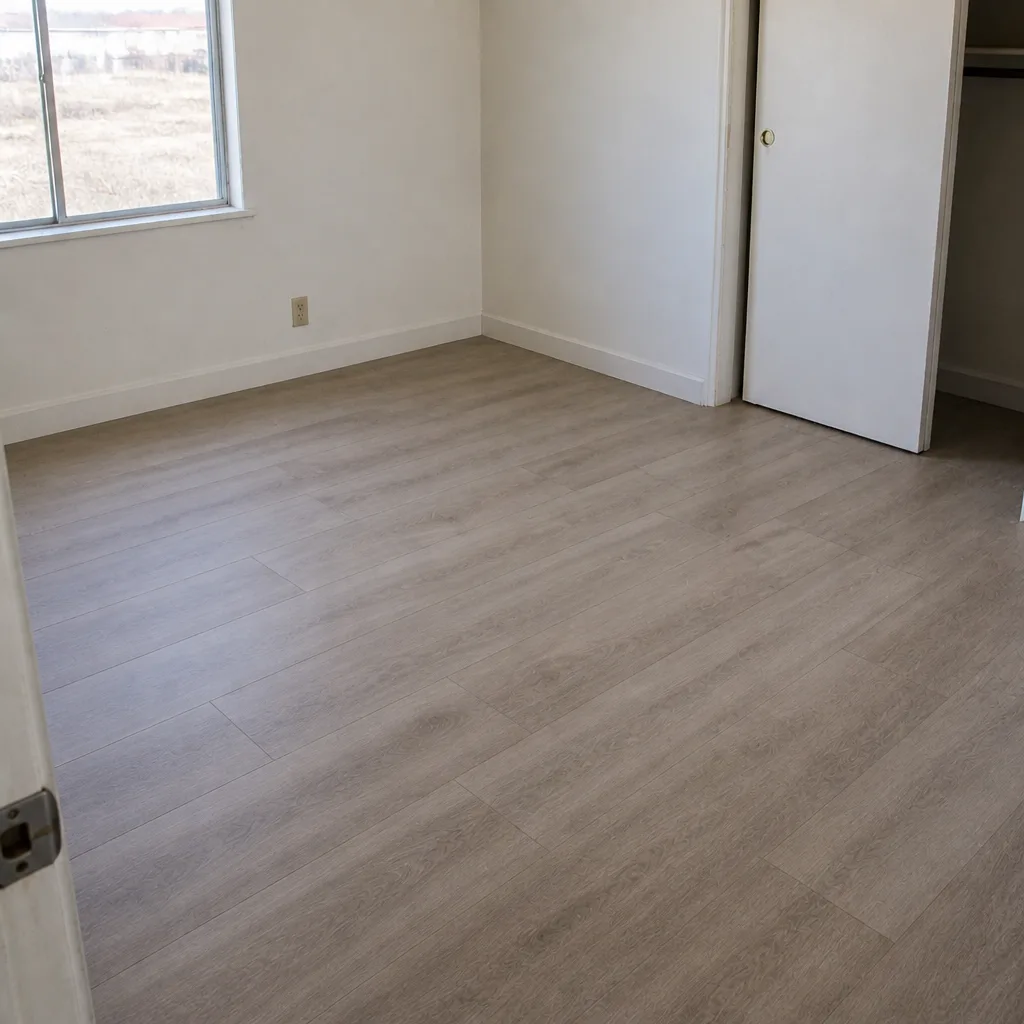
See the difference
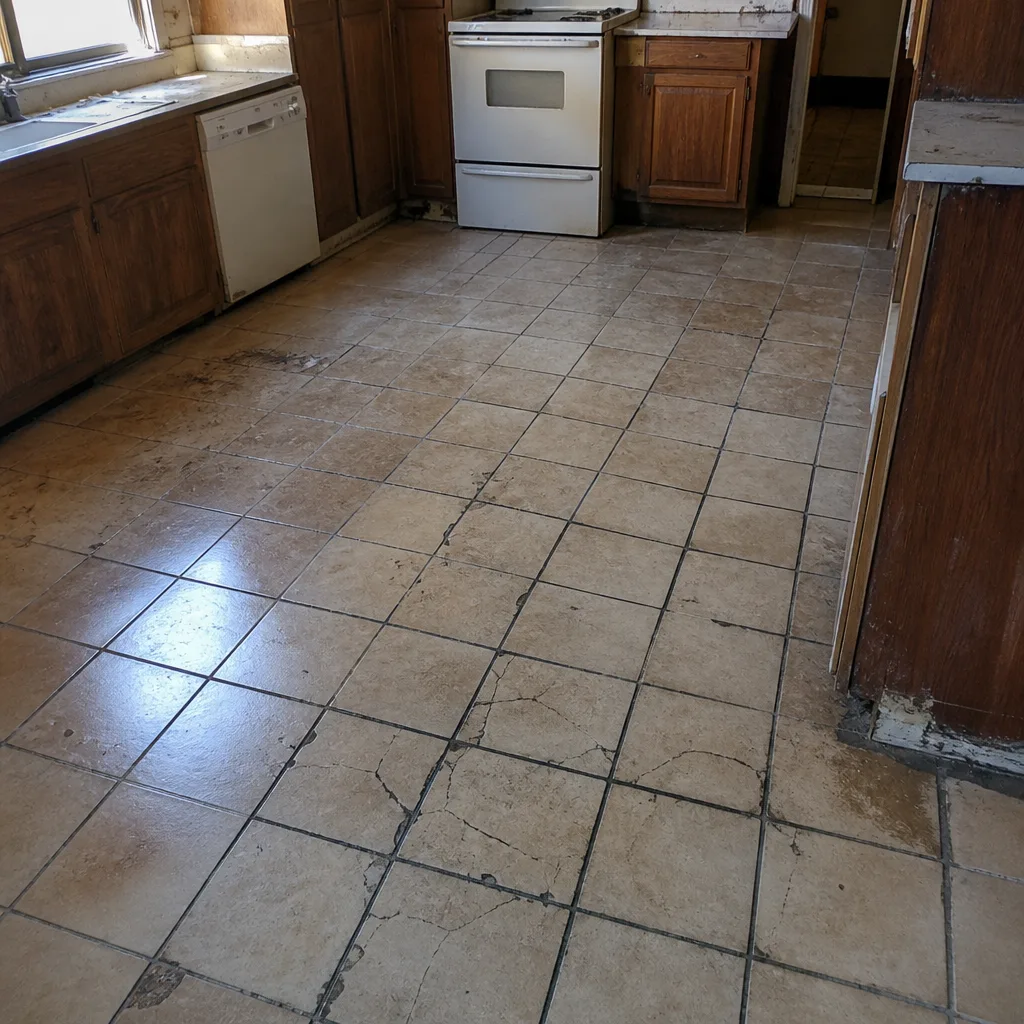 Before
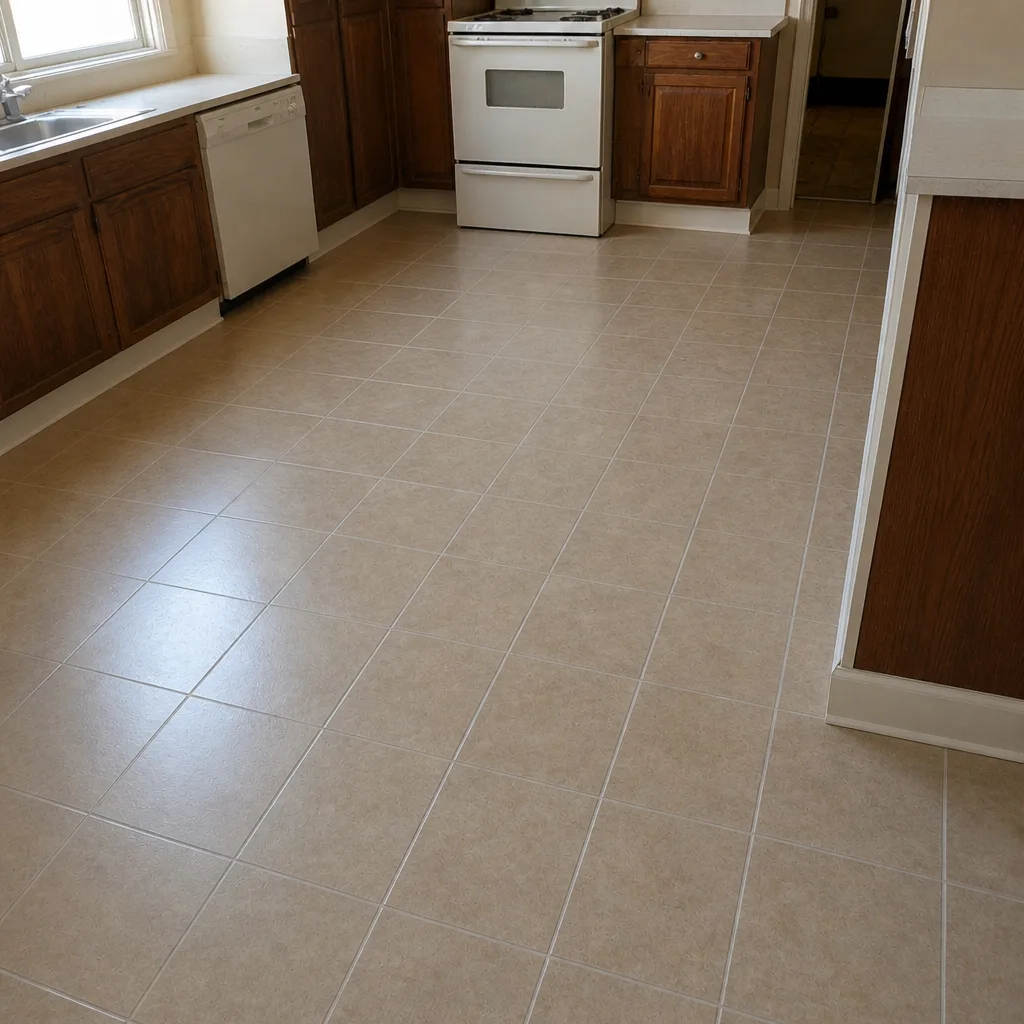 After
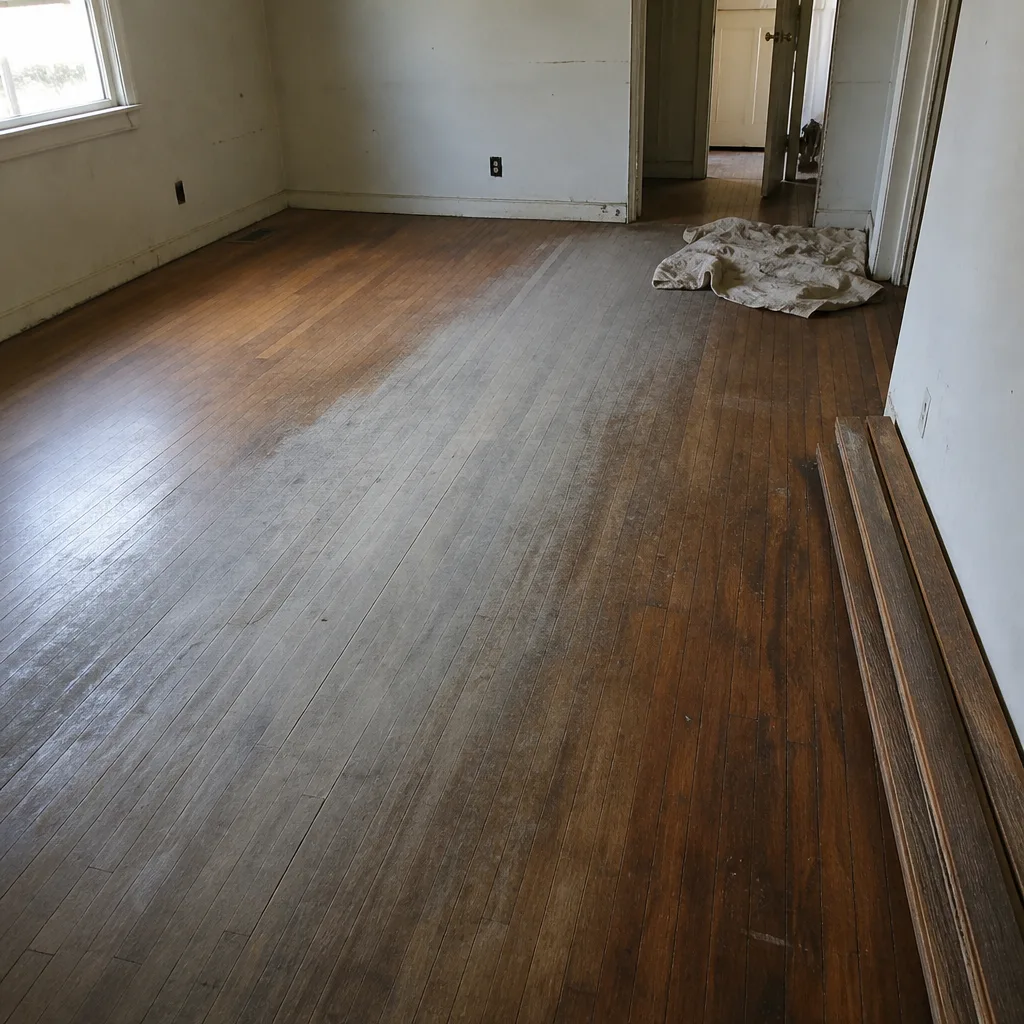 Before
 After
 Before
 After
When to Call a Professional
Some flooring projects are a poor fit for a weekend DIY attempt. If you have a slab that may hold moisture, a subfloor that’s uneven or soft, a room with tricky transitions or door clearances, or existing hardwood you’re hoping to save, get a professional assessment before you buy material. The same goes for tile in wet areas and for any project where the old flooring needs to come up. Flooring Winchester offers free estimates in Winchester. Call (844) 761-8337 to schedule yours. We answer 24/7, and fast dispatch runs from 7am to 7pm, Sunday through Friday.
Frequently Asked Questions
The cost depends on the material, the square footage, and how much subfloor work the job needs, so there’s no single number. The written estimate sets the final price after an in-home measurement and inspection. Call (844) 761-8337 for an exact quote, and remember the estimate is free.
Yes. Nevada requires contractors to be licensed through the Nevada State Contractors Board, and flooring work falls under that requirement. Ask for the license number in writing and look it up in the state’s public license search before you sign anything.
Yes, the in-home measurement and estimate are free. You get a written quote with the line items spelled out, including subfloor prep and disposal, so you can compare bids fairly. Call (844) 761-8337 to schedule yours, and estimates stay free.
The install length depends on the material, the square footage, and the condition of the subfloor, so the schedule is set at the estimate. Once you have a written quote, you’ll know what the job involves and when the install day is booked. Call (844) 761-8337 to talk through your project and get a free estimate.
Yes, and it’s common in Winchester. A dry climate doesn’t remove the need for a moisture check on a slab, so we test and prep accordingly before installation. Call (844) 761-8337 for a free estimate and we’ll assess your floor.
That depends on the thickness of the wood and its condition, which we check at the estimate visit. Refinishing preserves the original character and usually costs less than replacement when the wood allows it. Call (844) 761-8337 to have your floor evaluated for free.
The Bottom Line
Hiring a flooring contractor in Winchester is mostly a matter of asking the right questions before you talk price. Confirm the state license and insurance, ask about subfloor diagnosis, moisture testing, acclimation, transitions, and disposal, and compare written bids line by line. Structure payments around milestones and hold back the final amount until your walkthrough. A specialist who installs your material category as a specialty will close the accountability gap that generalists leave open. Get the free estimate and written quote first, then book the install day once you know what the job involves.
Ready to start? Call (844) 761-8337 for a free estimate in Winchester. We answer 24/7, with fast dispatch from 7am to 7pm, Sunday through Friday.
Written by the team at Flooring Winchester.