
Last updated November 18, 2026
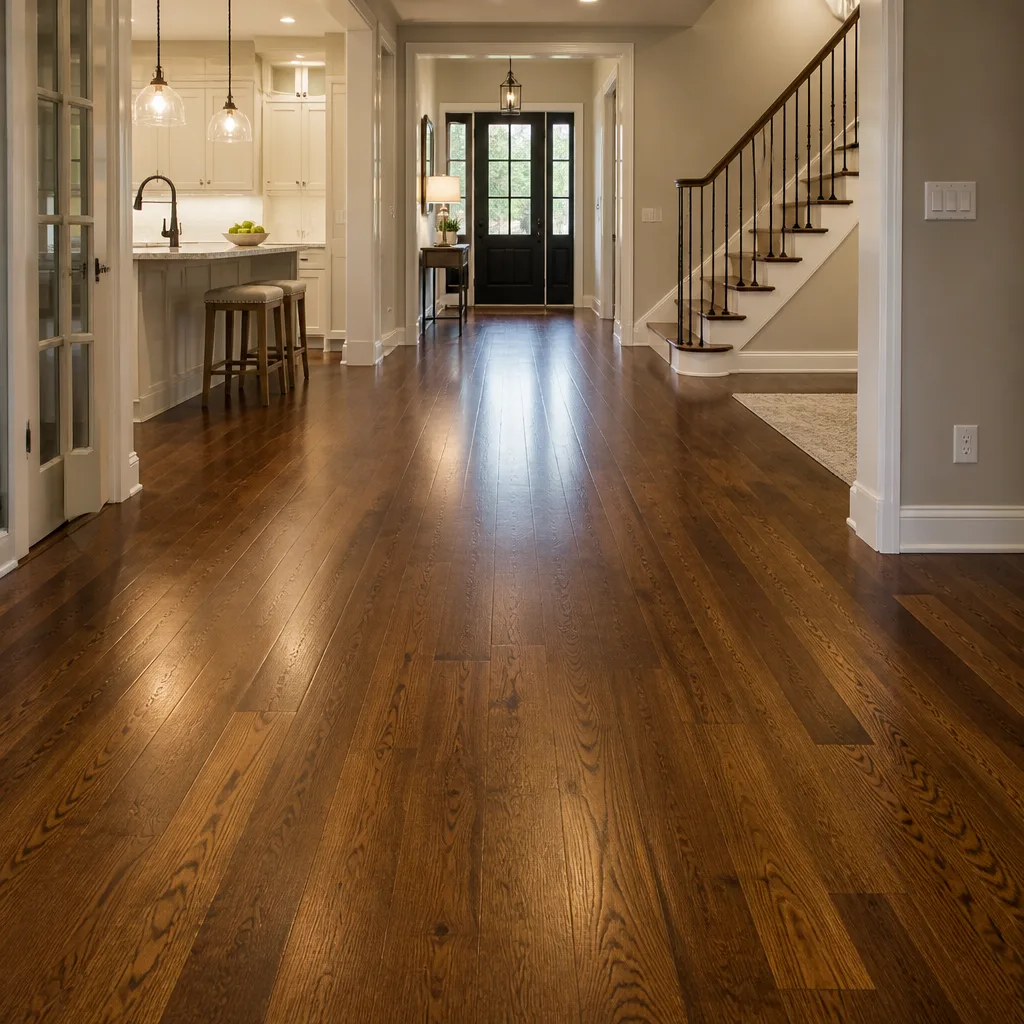 Hardwood
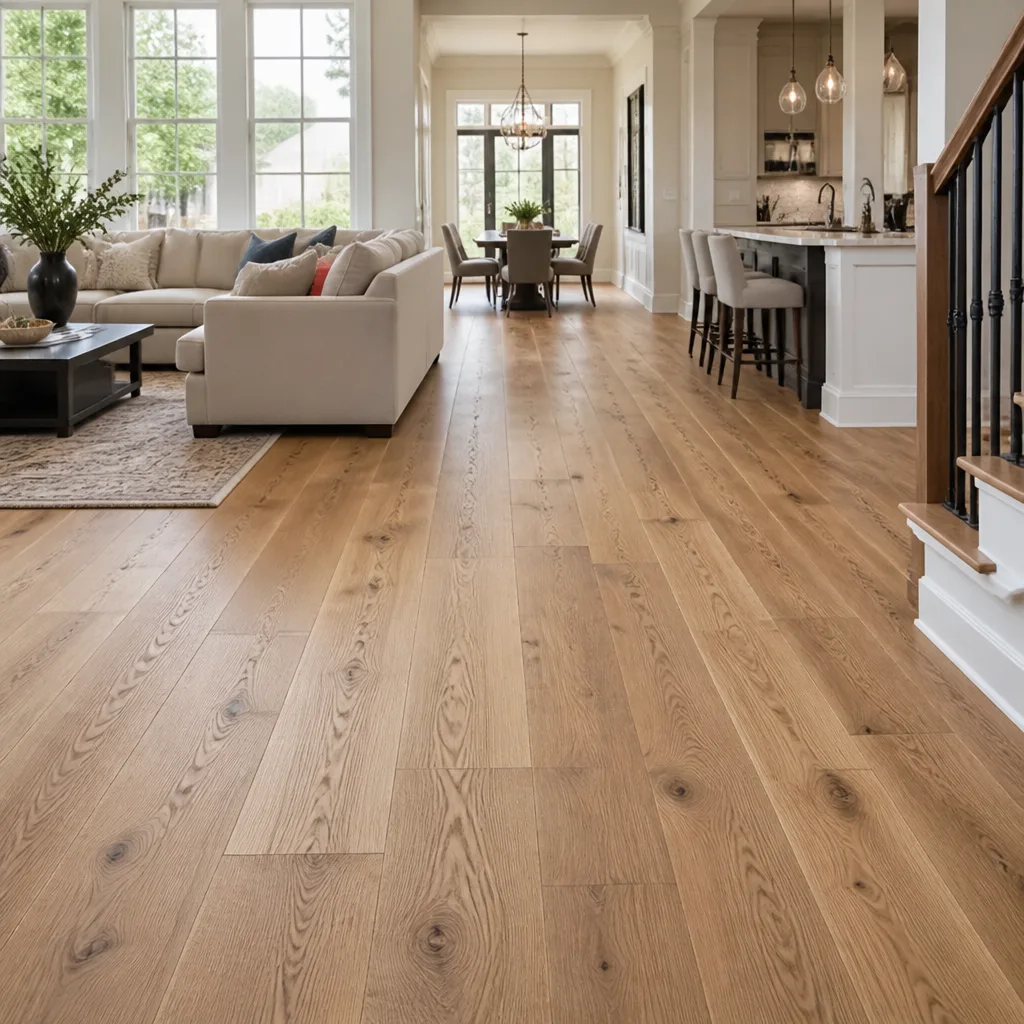 Engineered hardwood
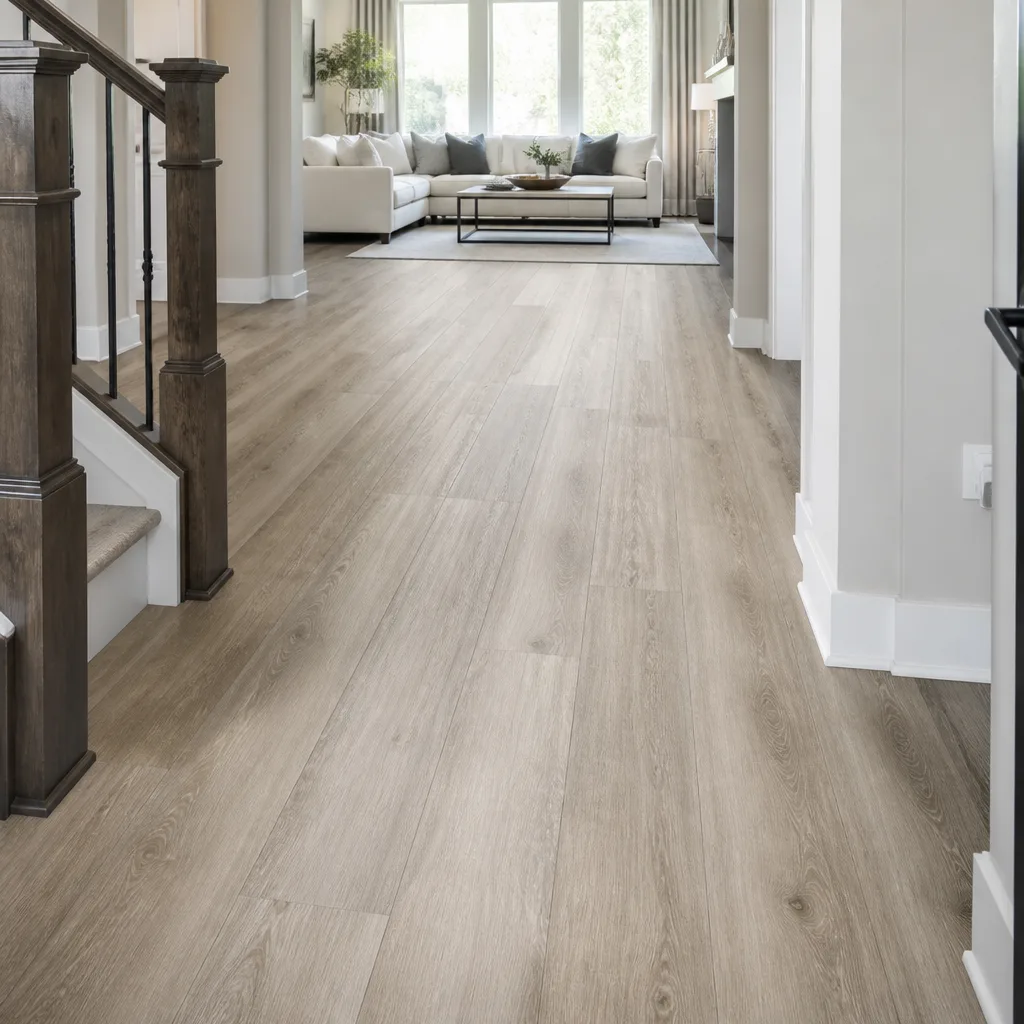 Luxury vinyl plank
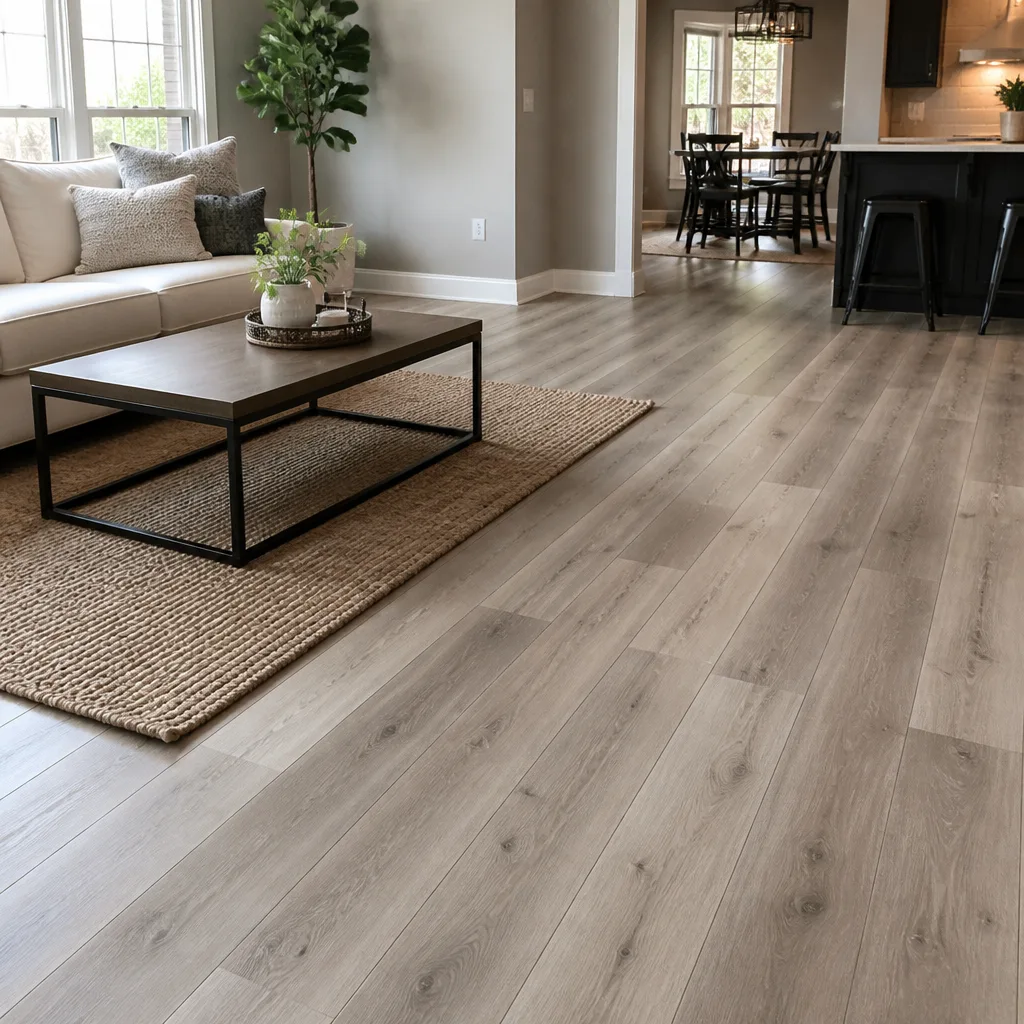 Laminate
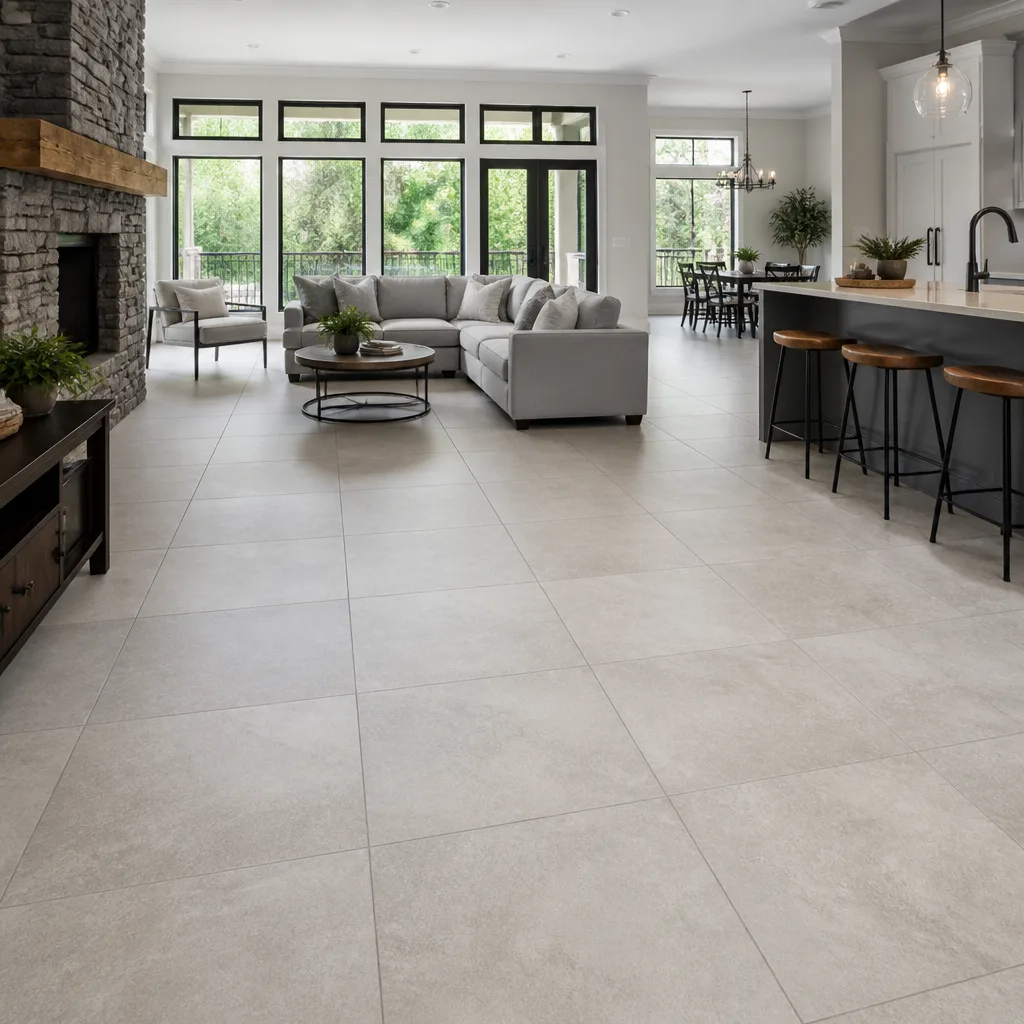 Porcelain tile
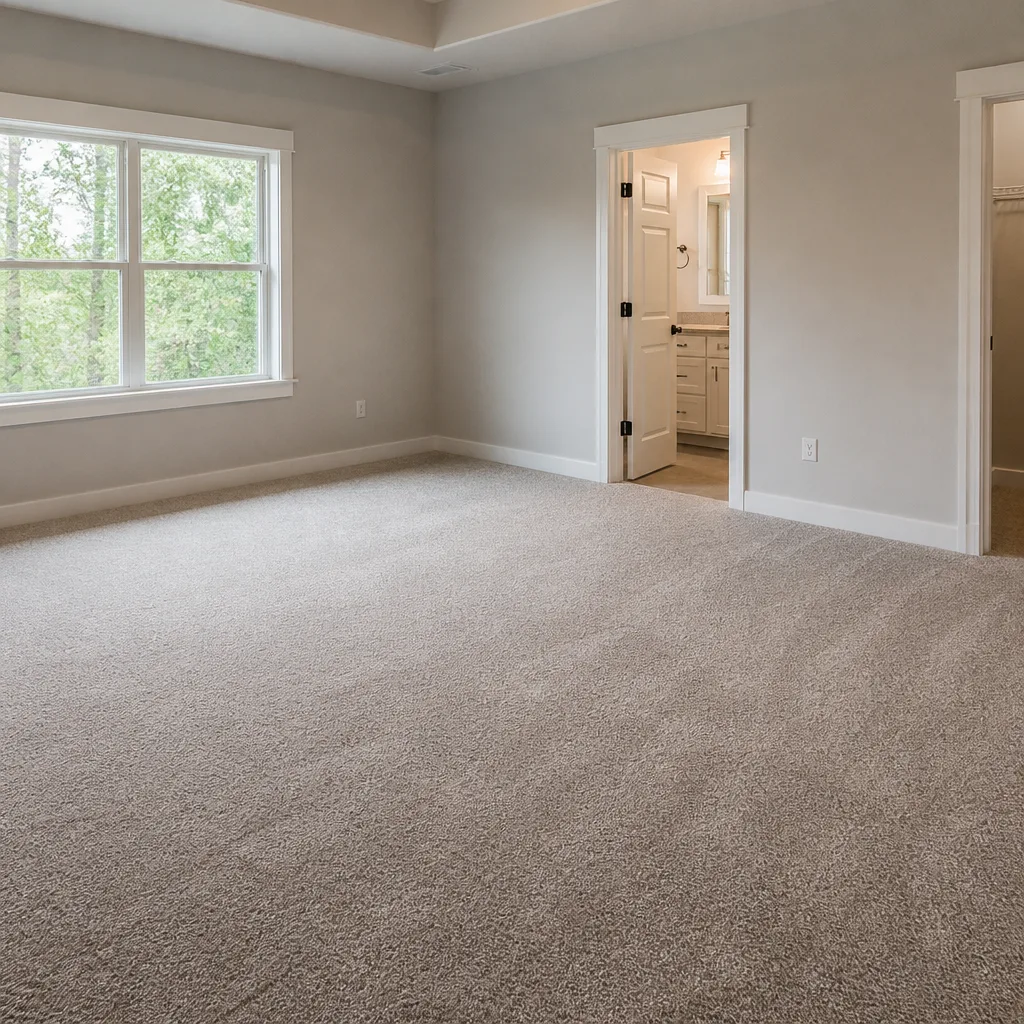 Carpet
 Shaw
 Mohawk
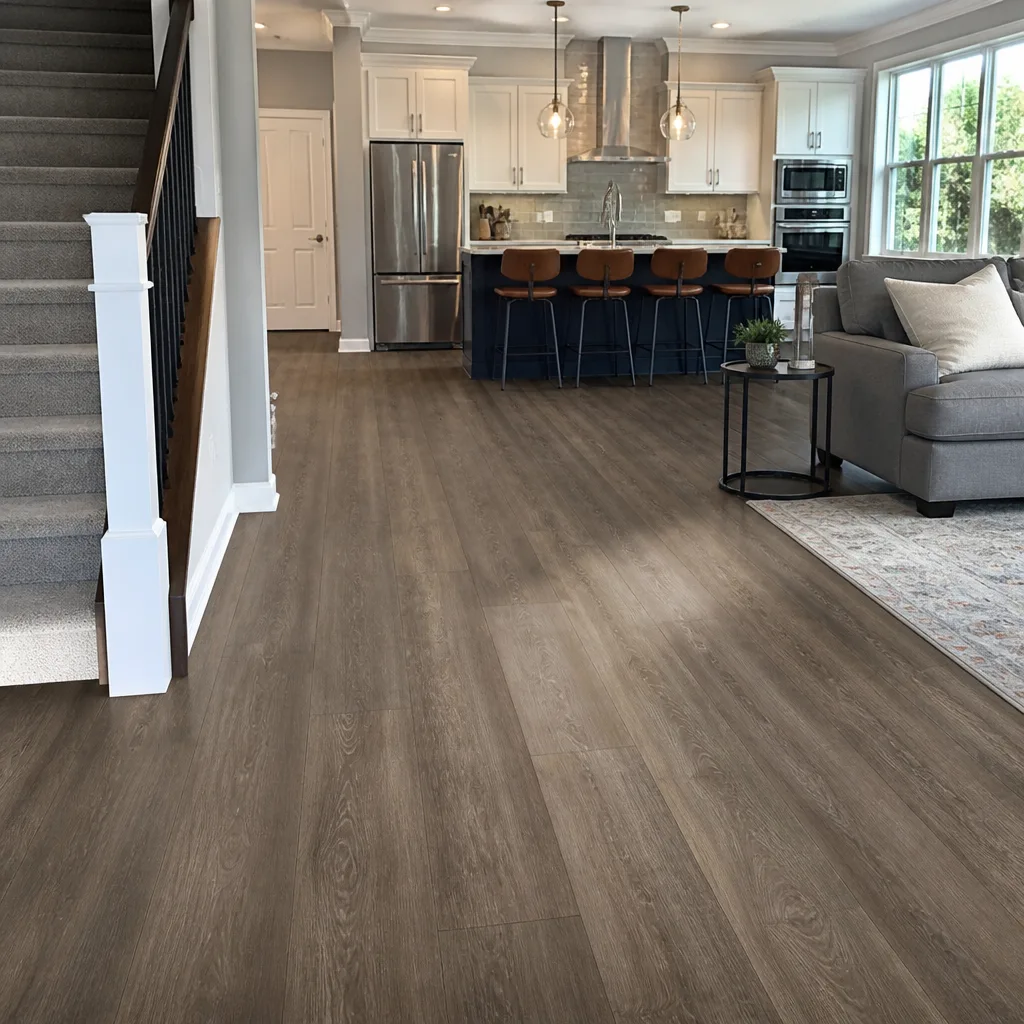 COREtec
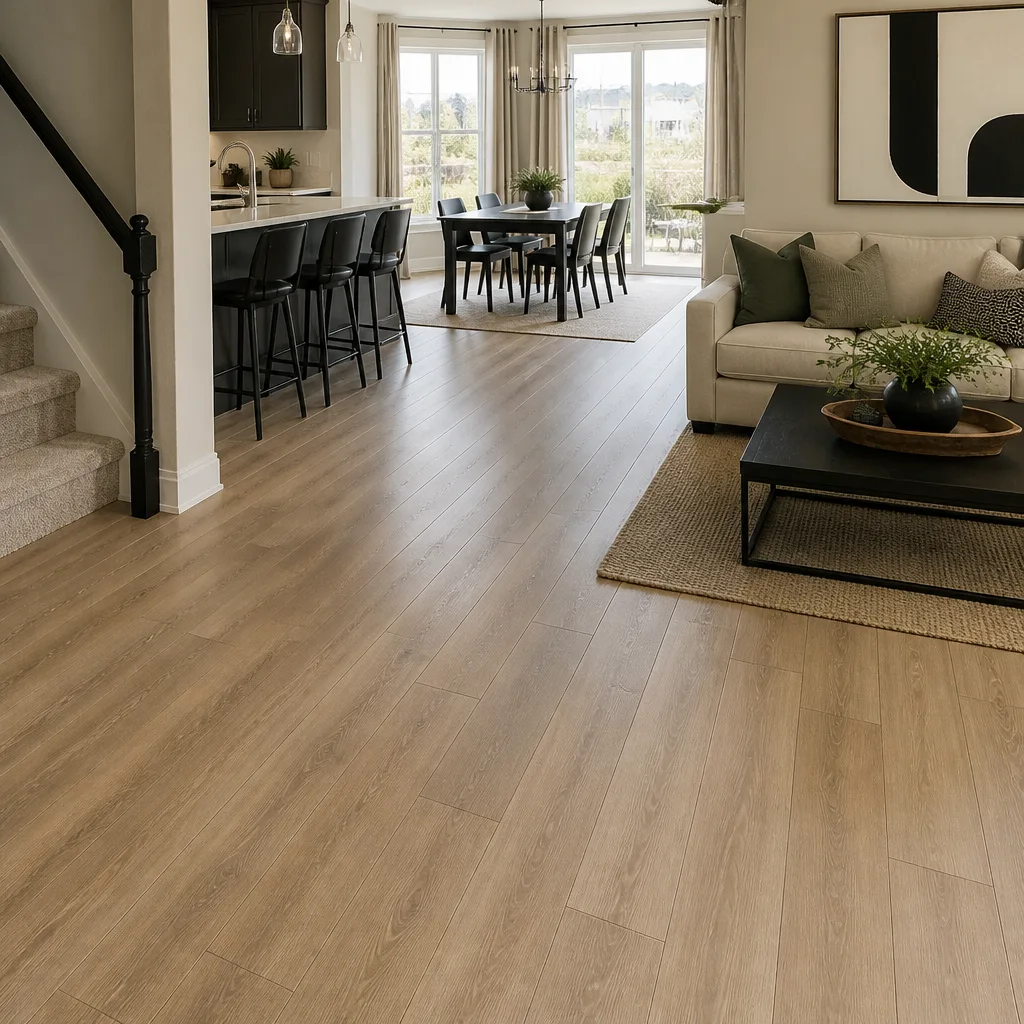 Pergo
Free in-home measure and written estimate: Shaw, Mohawk, COREtec and Pergo lines compared on your own rooms, with carpet, tile, vinyl plank, laminate and hardwood laid out side by side
Get your free estimateFix It or Start Over: Flooring Repair vs Replacement
Be skeptical of any flooring estimate that starts with “you should really just replace the whole thing” before anyone has checked subfloor moisture, joist condition, or how much sanding life is left in a wood floor. That’s not a diagnosis. It’s a sales pitch. The repair-versus-replacement question is a structural question first and a cosmetic one second, and most homeowners get handed the wrong answer because the person answering has a financial interest in the bigger job. This guide gives you the actual decision criteria so you can walk into that conversation with leverage instead of a shrug. We work in the material, not around it, and in Winchester we’ve walked into enough rooms to know that the surface almost never tells the whole story.
Quick Answer
Repair is the right call when the damage is surface-level or localized and the subfloor underneath is sound. Replacement is the right call when the subfloor, substrate, or structural deck under the floor has a problem that a new surface would only hide. The deciding factor is almost never how the floor looks. It’s what’s holding it up, how much material is left to work with, and how far the failure has spread. Everything else in this guide is a way to find out which of those two situations you’re actually in.
Styles & brands we work with
- Hardwood
- Engineered hardwood
- Luxury vinyl plank
- Laminate
- Porcelain tile
- Carpet
- Shaw
- Mohawk
- COREtec
- Pergo
Table of Contents
- The Subfloor Diagnosis Comes Before Any Decision
- The Four Subfloor Conditions That Make Repair a Waste of Money
- Hardwood: Sanding Depth Is the Real Deciding Factor
- Tile Repair Math: When Patching Wins and When It Doesn’t
- Reading Carpet Wear Patterns: Stretch, Clean, or Replace
- The Cost-Per-Year Framing That Makes Replacement Rational
- A Step-by-Step Way to Work Through the Decision
- What Winchester’s Desert Climate Does to Floors
The Subfloor Diagnosis Comes Before Any Decision
Every floor is two floors. There’s the surface you walk on, and there’s the structure underneath carrying it. Repair decisions made on the surface alone are guesses. In our experience, the diagnosis follows four checks, and they should happen before anyone quotes you a number.
- Moisture in the subfloor. A meter reading taken in several spots, not one. Concrete slabs and wood decks both hold moisture differently, and a reading that varies widely across the room tells you more than any single number.
- Joist and deck condition. Soft spots, deflection, squeaks that move, and any evidence of past water penetration. A floor that bounces or dips is telling you about structure, not surface.
- Flatness and prep. Whether the substrate is flat enough to receive the material you’re planning. This is where a lot of “replacement” quotes are really prep quotes in disguise.
- How far the failure reaches. One loose tile is a repair. Twenty loose tiles across a room usually means the substrate moved, and the surface was the messenger.
If a contractor skips these four checks and goes straight to a full replacement number, ask them why. Which condition did they find? Where was it measured? A real diagnosis has a location and a reason attached to it. When we look at a floor in Winchester, the subfloor reading is the first thing we want and the last thing we’d guess at.
One more point on this: a sound subfloor doesn’t automatically mean repair, and a compromised one doesn’t automatically mean replacement of everything. But the subfloor decides the direction of the conversation. Start there and the rest of the decision usually answers itself.
The Four Subfloor Conditions That Make Repair a Waste of Money
These are the conditions where patching the surface is putting lipstick on a structure problem. It doesn’t matter how good the floor looks from the doorway. If any of these four are present, the money spent on surface repair is likely to be spent twice.
1. Ongoing or recurring moisture
A subfloor that reads wet now, or shows evidence of wetting and drying cycles, will transfer that moisture into whatever you put on top of it. Carpet padding traps it. Wood swells and cups. Adhesive under tile releases. Repairing the surface without addressing the moisture source is a delay, not a fix. Find the source first.
2. Deflection and movement in the structure
If the floor moves when you walk it, or the joist system has soft or damaged sections, any rigid material laid over it will eventually crack or loosen. Tile is especially unforgiving here. Grout and tile failure across a field is often the substrate telling you the deck isn’t stiff enough.
3. Compromised or contaminated substrate
Old adhesive residue, crumbling underlayment, or a slab with a failing surface layer can’t be trusted to hold a new installation. Prep is part of the job, but when the substrate itself needs rebuilding rather than cleaning, you’re in replacement territory by default.
4. Widespread failure with no clear local cause
When failure appears across the whole room rather than in one concentrated spot, and there’s no obvious single event that caused it, the pattern usually points to the substrate. A local fix to a widespread problem tends to reappear.
None of these are things you can see by kneeling down and pressing on a board. They’re measured. That’s why a free estimate that includes an actual subfloor check is worth more than a phone quote that doesn’t – and it’s why we lead with the measurement on every job, whether the material ends up being carpet, tile, or refinished wood.
Hardwood: Sanding Depth Is the Real Deciding Factor
Homeowners tend to judge a hardwood floor by its scratches. That’s the wrong measurement. The question that actually decides repair versus replacement on hardwood is how much sanding depth is left in the boards. A floor can look rough and have plenty of life left. It can also look decent and be sanded down to the point where another pass would go through the wear layer.
Refinishing removes a thin layer of the wood surface. There’s only so much to remove. When a floor has been refinished before, especially more than once, the remaining thickness above the tongue-and-groove joint is what you’re working with. Once that’s gone, the boards can’t be sanded again without exposing the joint and destabilizing the floor.
This is checked at the estimate visit, not guessed at. It depends on the thickness of the wood in your specific floor and its condition, and a stain match to a sample can’t be promised until the wood is examined. What we can tell you is that we treat hardwood refinishing as a core service rather than an afterthought, because refinishing existing wood is often the smarter first move – it restores the original character and skips the cost of a full replacement when the boards still have depth to give.
Three things push the decision toward replacement rather than refinishing:
- The boards are too thin to sand again.
- The damage is structural – cupping that won’t flatten, boards that have separated from the subfloor, or sections that are rotting.
- The subfloor shows one of the four conditions above, which have to be resolved regardless of the surface decision.
If none of those apply, sanding and refinishing usually wins. If you’re weighing this on a wood floor in Winchester, the boards decide. Not the scratches.
Tile Repair Math: When Patching Wins and When It Doesn’t
Tile is the most patching-friendly hard surface, and also the most likely to lie to you. Here’s a rough rule of thumb we use: replacing fewer than 15% of the field tiles is usually repair territory. More than that, and the math starts tilting toward redoing the field.
There’s a second rule, and it’s the more important one. Grout failure across a full field is almost always a substrate problem, not a grout problem. If you have hairline cracks in grout lines scattered evenly across an entire room, regrouting is treating the symptom. The movement underneath is the cause. A wide grout crack in one corner with a couple of cracked tiles around it is a local repair. Even cracking with no visible tile damage anywhere is a warning sign about the substrate.
When tile repair is the right call
- A small number of cracked or chipped tiles in a contained area.
- One or two loose tiles with intact grout around the rest.
- Grout that’s discolored or worn but not cracking in a pattern.
- A damaged tile at a protruding element – a floor vent, a threshold, a door swing point.
When tile replacement is the honest answer
- Cracked tiles spread across the field with no single impact point.
- Even grout cracking room-wide.
- Hollow-sounding tiles across a section (a sign the adhesive has let go).
- Lipless transitions or dips that have developed, suggesting substrate movement.
Our tile flooring installation work starts with the substrate for exactly this reason. If you patch the tiles but the substrate moves, the new tiles are on borrowed time. This is also where material choice matters later: if replacement is the decision, we’d be looking at manufacturers like Daltile for porcelain, or a luxury resilient option such as Karndean if the space takes a lot of traffic and you’d rather not deal with grout again.
Reading Carpet Wear Patterns: Stretch, Clean, or Replace
Carpet gives you more warning than any other floor before it’s done. It also gets replaced more often than it needs to, because the wear patterns are easy to misread. Two categories cover almost everything.
Pattern one: the carpet needs a stretch and a clean
Wear ripples that fan out from the wall, wrinkles that move when you press them, and a general looseness in the traffic lanes together point to a backing or installation problem, not a worn-out carpet. Carpet that’s intact but loose can often be restretched and cleaned. If the fibers still stand up reasonably well when you brush them and the pile looks even in the corners, a stretch and a cleaning can be the entire answer.
Pattern two: the pad is shot and the carpet is overdue
If the carpet feels flat and clumped underfoot in the traffic lanes, and the fibers are matted flat when you brush them, the cushion under the carpet has compressed and stopped doing its job. Restretching a carpet over a collapsed pad is spending money on half a solution. This is the pattern that points to replacement, and it’s the one where choosing the right product matters most. COREtec and LifeProof come up when a household needs a high-traffic or water-resistant surface, and among carpet lines, Shaw and Mohawk cover the range from everyday to designer-grade.
Three quick checks to make before you decide
- Press a palm into the traffic lane and compare it to an un-walked corner. If the traffic lane bottoms out much more easily, the pad has compressed.
- Look at the carpet along the wall base. A visible gap between the carpet and the baseboard is a stretching issue.
- Pull a corner up and feel the pad. If it crumbles or stays flat when compressed, replacement of the pad is part of the decision regardless of the carpet.
For a full look at the tradeoffs across soft-surface choices, our carpet installation page walks through what to look for at the estimate stage. The wear pattern tells you whether you’re fixing or replacing. The rest is choosing the right product.
The Cost-Per-Year Framing That Makes Replacement Rational
The hardest part of this decision is comparing a small repair number to a large replacement number in the same conversation. They’re not the same kind of number. One buys you a fix. The other buys you a floor. To compare them honestly, put both on the same clock.
The calculation
Take the cost of the repair, estimate how many years it’s reasonable to expect before you’re back in the same conversation, and divide. Do the same with the replacement number over the life you expect from the new floor. That gives you a cost per year of ownership for each option, and the comparison becomes rational rather than emotional. A bigger number spread over a longer useful life can be the cheaper decision per year. A small repair that needs to be repeated in a short span usually isn’t.
There are three factors that push replacement toward being the rational choice:
- The repair buys a short window because the underlying condition wasn’t addressed.
- The material is at the end of its usable life, so a patch leaves you with a floor you’d still be replacing soon.
- The repair cost is a meaningful fraction of replacement, and the replacement price includes the subfloor fix you’d otherwise need anyway.
And three factors that favor repair:
- The floor has substantial usable life left in it (this is where hardwood refinishing earns its keep).
- The damage is truly local and the subfloor checks out.
- You’re preserving material character that can’t be replicated – original wood, or a tile layout that isn’t manufactured anymore.
We’re not the right call for every job. But we can put both numbers in front of you in writing, and the written estimate is what sets the final price. What you do with the comparison is your call.
A Step-by-Step Way to Work Through the Decision
If you want a repeatable sequence to follow, this is the one we use. Work through it in order and you’ll usually arrive at the right answer without guesswork.
- Document the symptom. Photograph the damage and note where it starts and stops. Widespread or localized? A single point of impact, or evenly spread?
- Measure moisture. Get a subfloor reading in multiple spots. If it’s high or inconsistent, stop here and address the source before deciding anything about the surface.
- Check for movement. Walk the floor and feel for deflection, dips, or bounces. Listen for squeaks. Movement is a structure question, not a surface one.
- Assess remaining life of the material. For hardwood, sanding depth. For tile, whether the failure is local or field-wide. For carpet, whether the pad is compressed.
- Price repair and price replacement as written estimates. Get both numbers, with the subfloor work included in the replacement number if it applies.
- Put both on a cost-per-year basis. Divide by expected useful life. Compare the results.
- Decide with the subfloor data in front of you. Not with the sales pitch, not with how the room looked in better light.
Quick situational shortcuts
Most homeowners recognize their own situation faster by matching it to a case:
- One cracked tile, subfloor sound. Repair.
- Even grout cracking across the field. Investigate the substrate before anything else.
- Hardwood with surface scratches and depth remaining. Refinish.
- Hardwood sanded down to the joint. Replace.
- Carpet loose but fibers intact. Restretch and clean.
- Carpet flat and pad compressed. Replace.
- Any floor over a wet or moving subfloor. Fix the structure first. The surface decision comes after.
What Winchester’s Desert Climate Does to Floors
Flooring in Winchester lives in a particular kind of stress. The desert climate means wide swings in indoor humidity across the year – dry most of the time, but not uniformly, and the difference between a room on a sun-baked south wall and a room in the interior shows up in how a floor behaves. That matters for the repair-versus-replacement decision in a few specific ways.
Wood is the most sensitive to this. Boards that have been in a Winchester home for years have already shrunk and settled into the local humidity cycle. A full replacement puts new material into the same cycle, and the acclimation and spacing matter more than they would in a steadier climate. It also means a lot of the cupping and gapping we see is seasonal rather than structural – worth recognizing before anyone quotes you a replacement for something that would settle back into shape.
Tile in the desert gives up its grout differently. Grout that absorbs and releases moisture in cycles cracks earlier in a room exposed to strong temperature swings, which is one reason we look at substrate and grout condition together rather than separately. Carpet in Winchester tends to fade along sun-facing glazing before it wears out in the traffic lanes. If a room’s carpet looks tired but the pad is still springy, the issue might be sun exposure rather than wear, and that’s a very different decision.
The climate doesn’t change the four subfloor conditions. It does change which symptoms show up first, and knowing that in Winchester saves homeowners from replacing a floor that just needed seasonal attention.
Common Mistakes to Avoid
- Replacing before the subfloor is checked. If you choose replacement without a moisture reading and a look at the deck, you’re paying to put a new floor over an old problem. Get the measurement first.
- Repairing over a widespread failure. Patching a handful of tiles when grout is cracking evenly across the field just moves the cost forward a few months. Read the pattern, not the individual tile.
- Assuming hardwood scratches mean replacement. Scratches are almost always refinishable if the boards have depth. Get the sanding depth checked before anyone talks you into a full replacement.
- Replacing carpet over a compressed pad, or restretching over a collapsed one. Either mistake wastes money – one buys you a new floor you didn’t need, the other buys you a fix that won’t hold. Check the cushion before you decide.
- Comparing repair and replacement as a lump sum. A repair number and a replacement number in the same conversation aren’t in the same units. Put both on a cost-per-year basis before you commit.
- Buying material before the substrate decision is made. Pick the floor after you know whether the subfloor holds. Choosing first and hoping second is how budgets blow up.
- Overlooking dry-climate bedding-in on new wood. In Winchester, new wood needs time to settle into the local humidity cycle before it behaves. Ask about acclimation timing before installation is scheduled.
See the difference
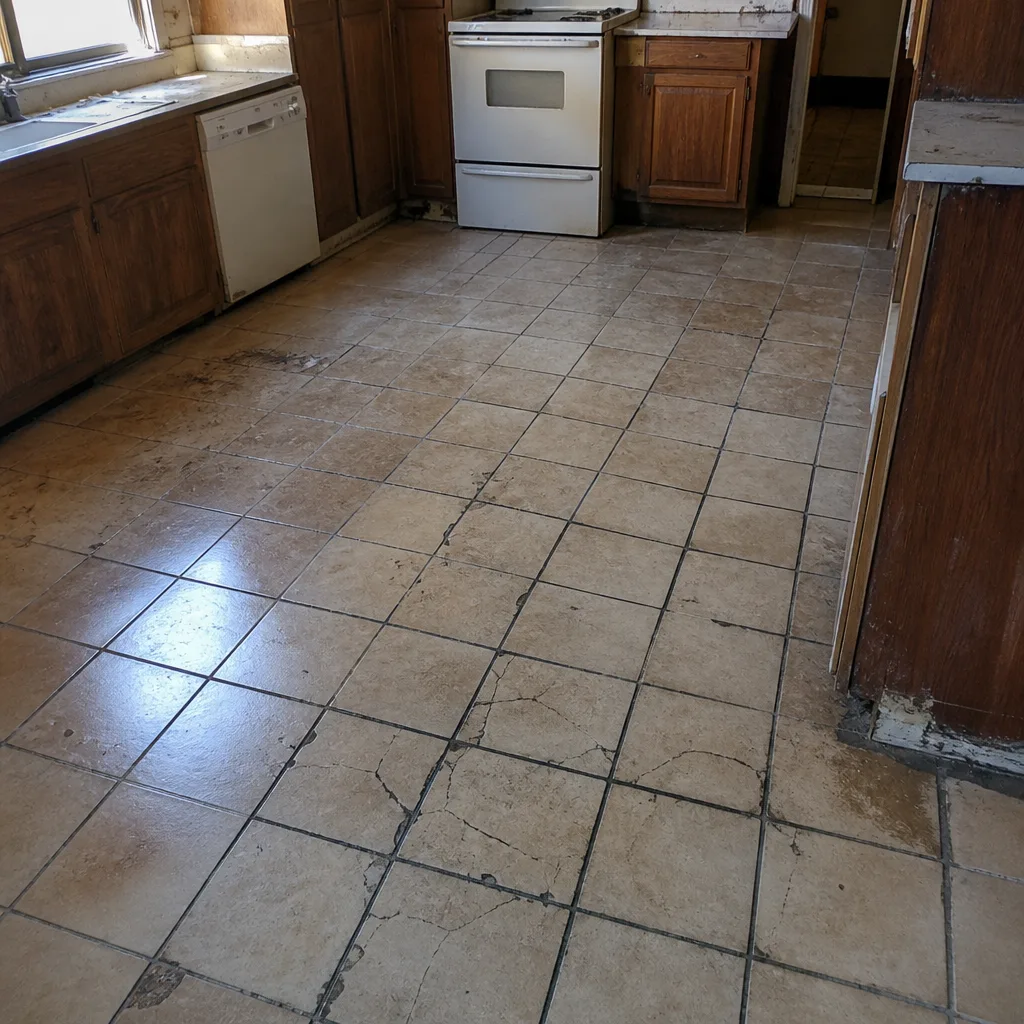 Before
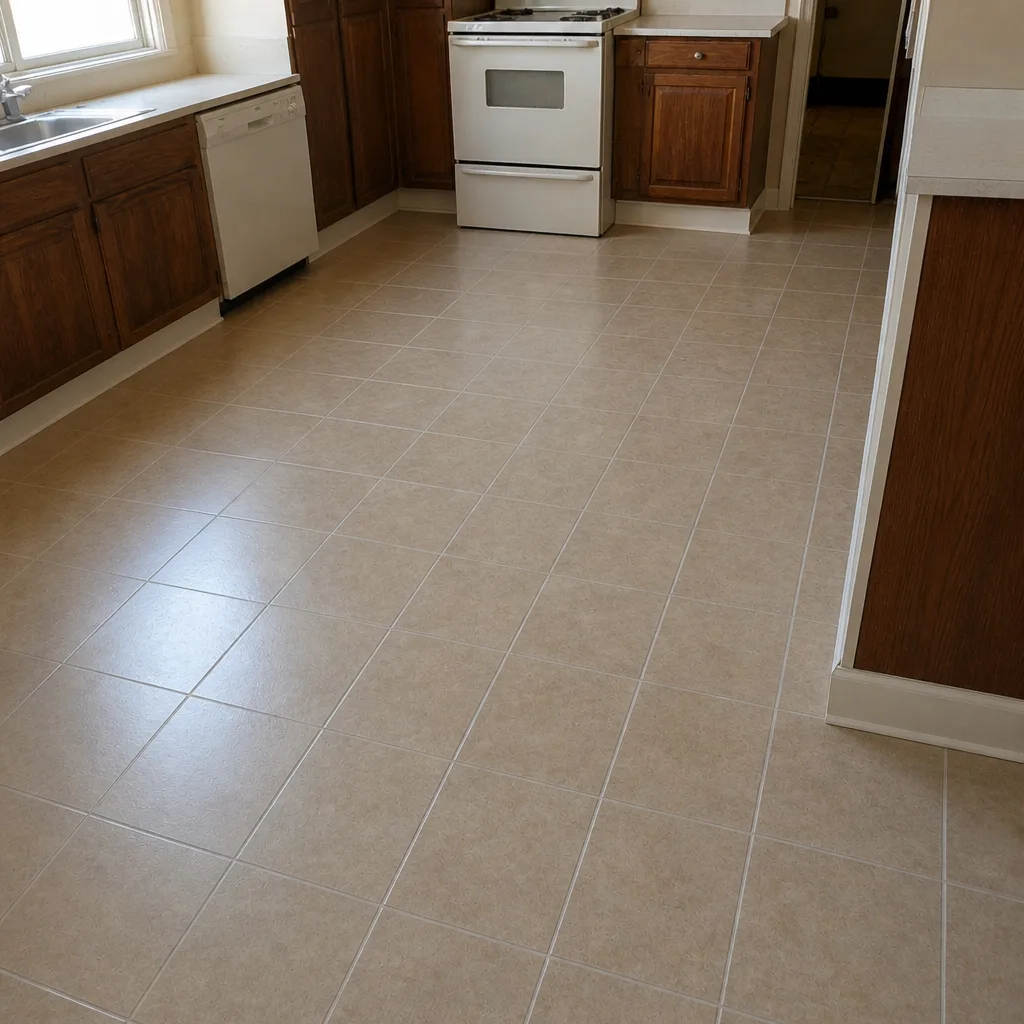 After
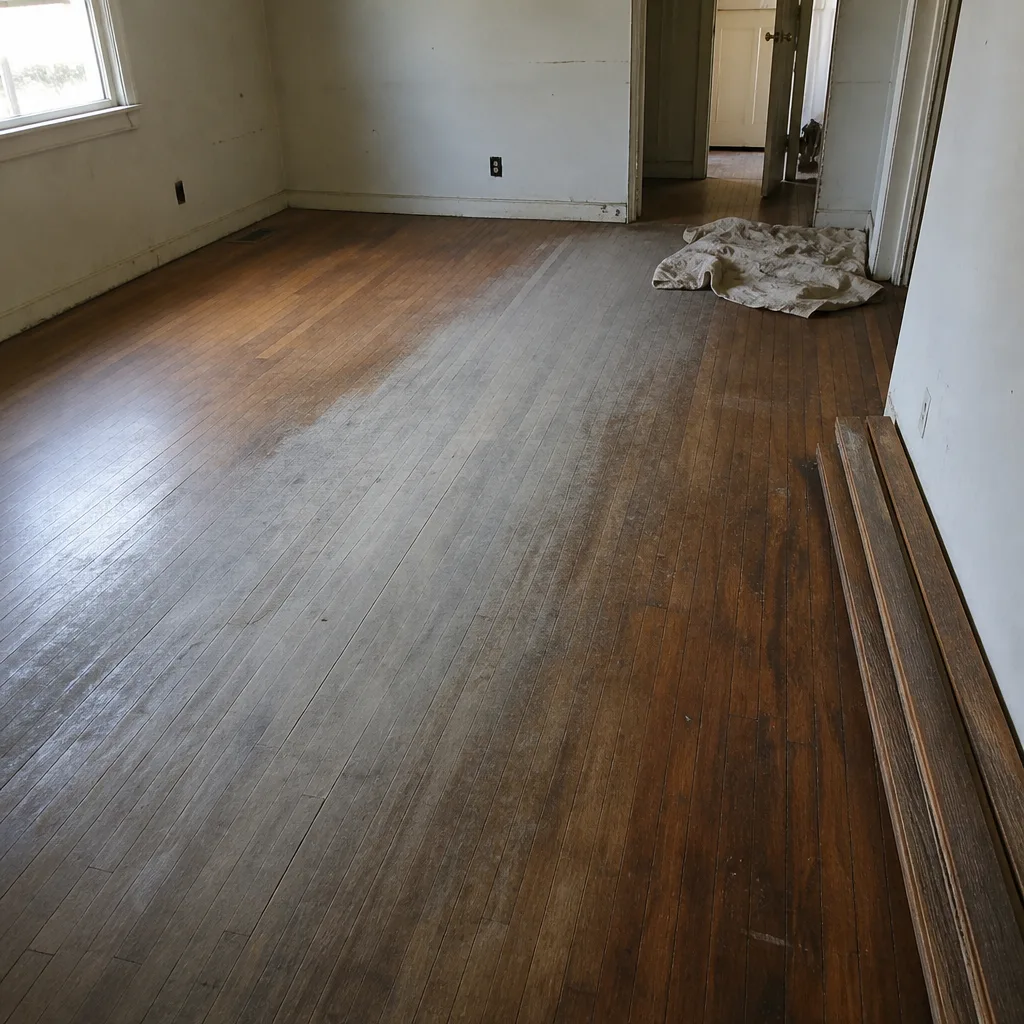 Before
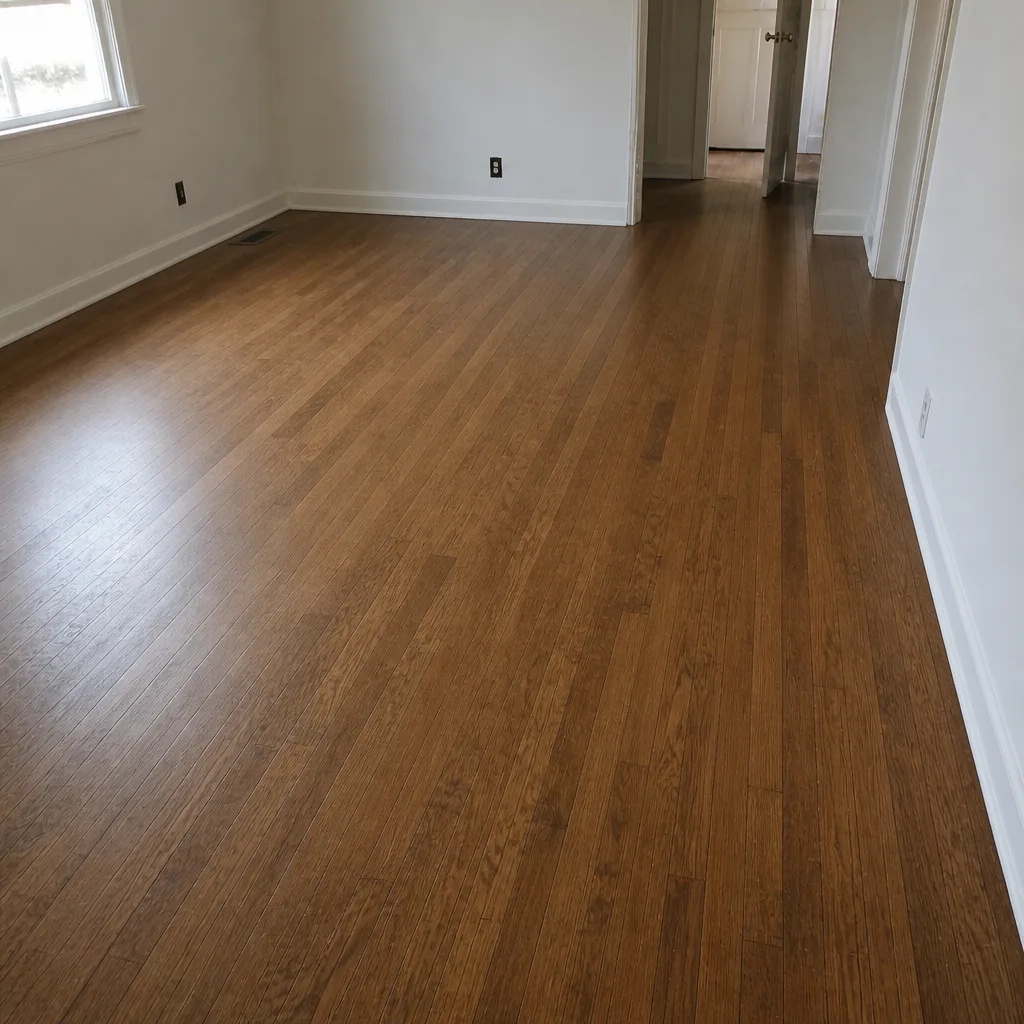 After
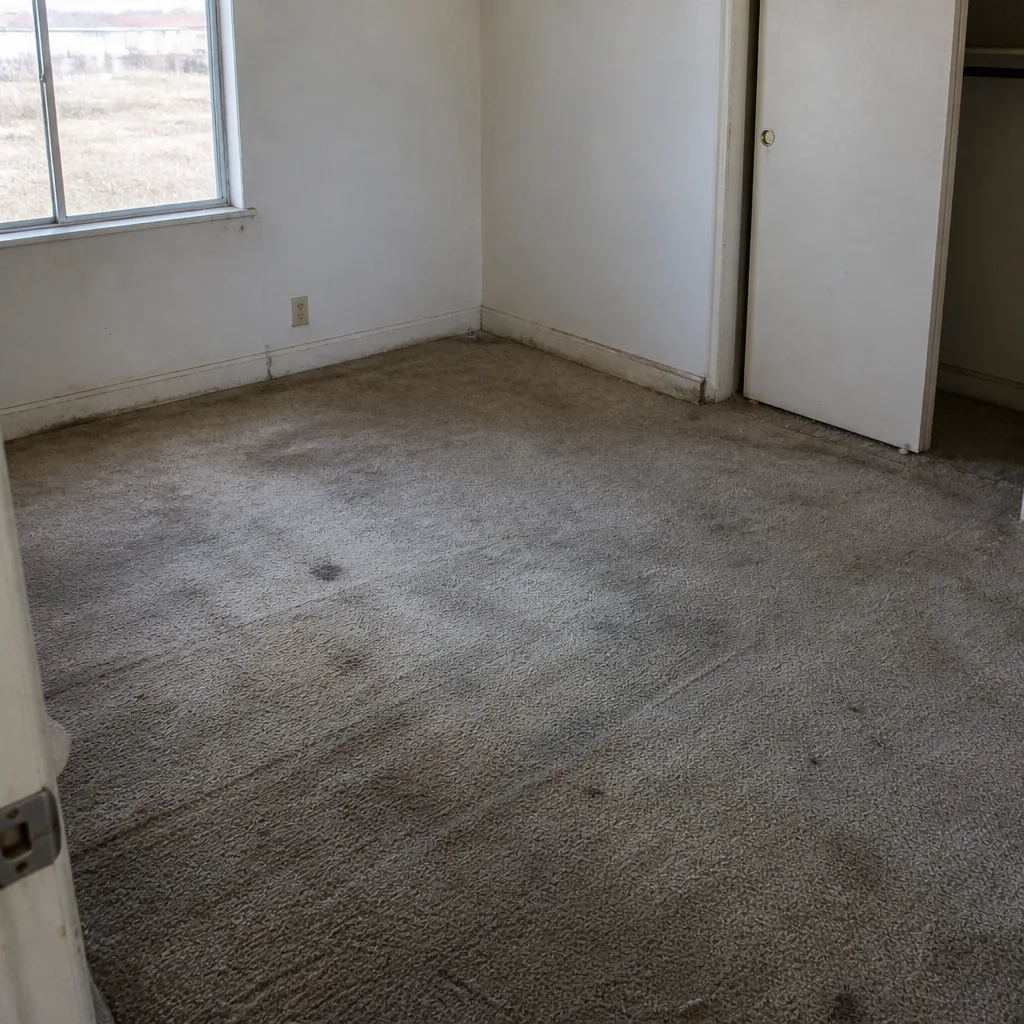 Before
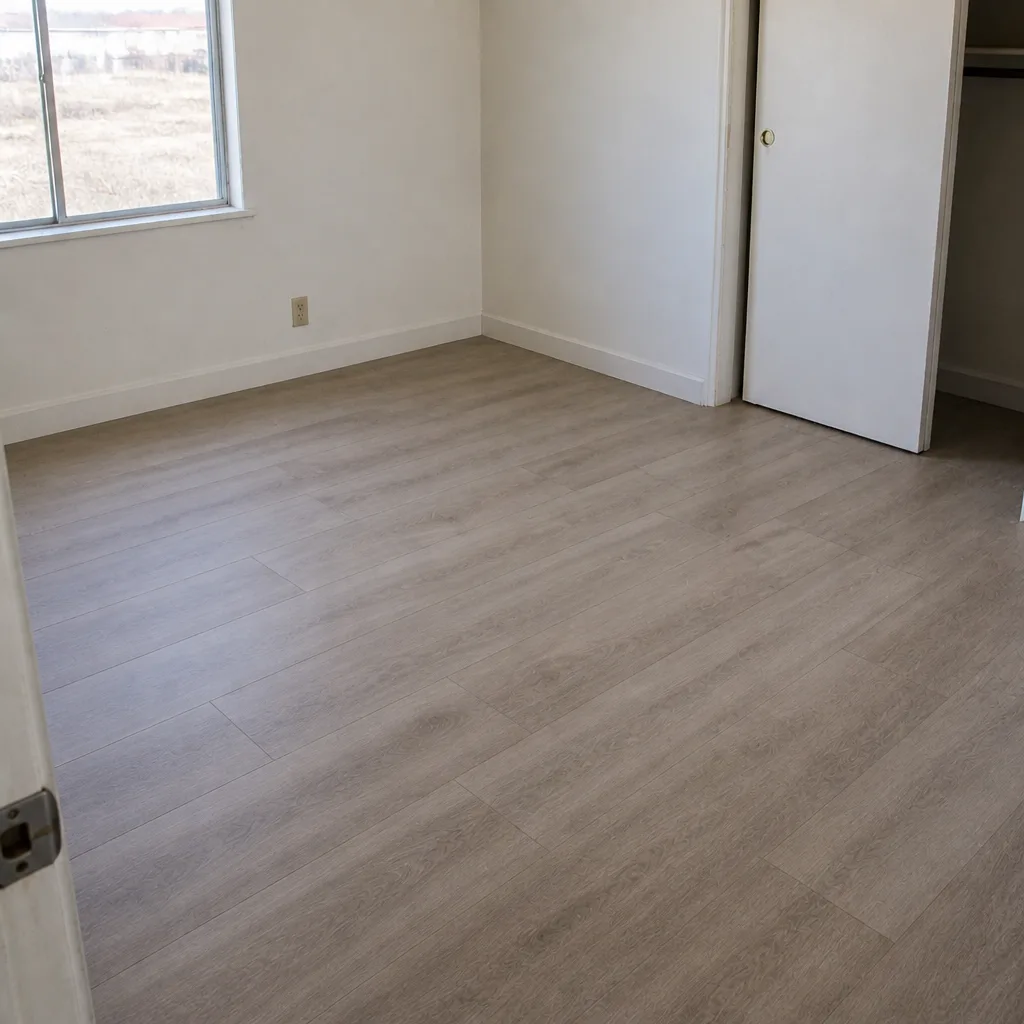 After
When to Call a Professional
There are repairs a careful homeowner can make and repairs that need a trained eye on the structure underneath. Call a professional when the failure pattern is widespread rather than local, when the floor moves or dips underfoot, when you suspect moisture in the subfloor or see evidence of past water penetration, and when the question is whether hardwood can be sanded again. All of those are measurements, not consultations. On tile, call when grout is cracking in a pattern across a room rather than at one spot. On carpet, call when the pad is compressed or the carpet is loose enough to need restretching.
Flooring Winchester offers free estimates in Winchester – call (844) 761-8337. Our technicians have up to 8 years of experience, we work across carpet, tile, and hardwood refinishing, and the written estimate is what sets the final price. We answer 24/7. Fast dispatch from 7am to 7pm, Sunday through Friday.
Frequently Asked Questions
Check the subfloor first. If the floor is dry, stable, and the material has usable life left, repair is usually right. If the subfloor is wet, moving, or the failure is widespread across the room, replacement is the honest answer. Call (844) 761-8337 for a free estimate – estimates are free and the subfloor check is part of it.
Often yes, and the deciding factor is sanding depth remaining in the boards, not the surface scratches. A floor that’s been refinished several times may be too thin to sand again; a floor with surface scratches and good thickness usually refinishes well. It depends on the wood’s thickness and condition, checked at the estimate visit. Call (844) 761-8337 to schedule yours.
Sometimes. Replacing fewer than 15% of field tiles is usually repair territory. When grout is failing across the full field or tiles are loosening in a pattern, patching buys a short window before the substrate problem reappears – which makes replacement the cheaper decision per year of ownership. Call (844) 761-8337 for a written comparison.
If the fibers still stand up and the pad is springy, restretching and cleaning can rescue it. If the traffic lanes feel flat and the pad compresses easily compared to an un-walked corner, the pad is shot and restretching only half-fixes the problem. Call (844) 761-8337 for a free estimate in Winchester and we’ll check both.
Put both on a cost-per-year basis. Divide the repair cost by how many years you expect the repair to hold, then divide the replacement cost by the useful life you expect from the new floor, and compare the two per-year figures. Call (844) 761-8337 and we’ll put both numbers in writing so the comparison is apples to apples.
Yes, mostly for wood. Seasonal humidity swings cause temporary cupping and gapping that can look like structural damage but settle back. In our experience, that means a hardwood replacement quote based on seasonal cupping is worth a second look before you commit. Call (844) 761-8337 and we’ll check whether the issue is seasonal or structural.
The Bottom Line
The repair-versus-replacement question is a subfloor diagnosis, not a cosmetic judgment. Check moisture, movement, and material depth before anyone quotes you a number. On hardwood, sanding depth decides it – not the scratches. On tile, field-wide grout failure is a substrate signal, not a grout problem. On carpet, restretching over a collapsed pad is a half-fix, and replacing over a springy pad is a waste. Line both options up on cost per year, not in the same conversation as a lump sum. If you’re in Winchester and want both numbers in writing with the subfloor check included, that’s what a free estimate is for. Call (844) 761-8337. We answer 24/7. Fast dispatch from 7am to 7pm, Sunday through Friday.
Our technicians have up to 8 years of experience, and we install and service carpet, tile, and refinished hardwood from a brand roster that includes Shaw, Mohawk, Daltile, and Karndean. Through Flooring Winchester, one conversation gets you product selection, a written price, and a scheduled installation day. See the full picture and call for your free estimate.
Written by the team at Flooring Winchester.