
Last updated November 18, 2026
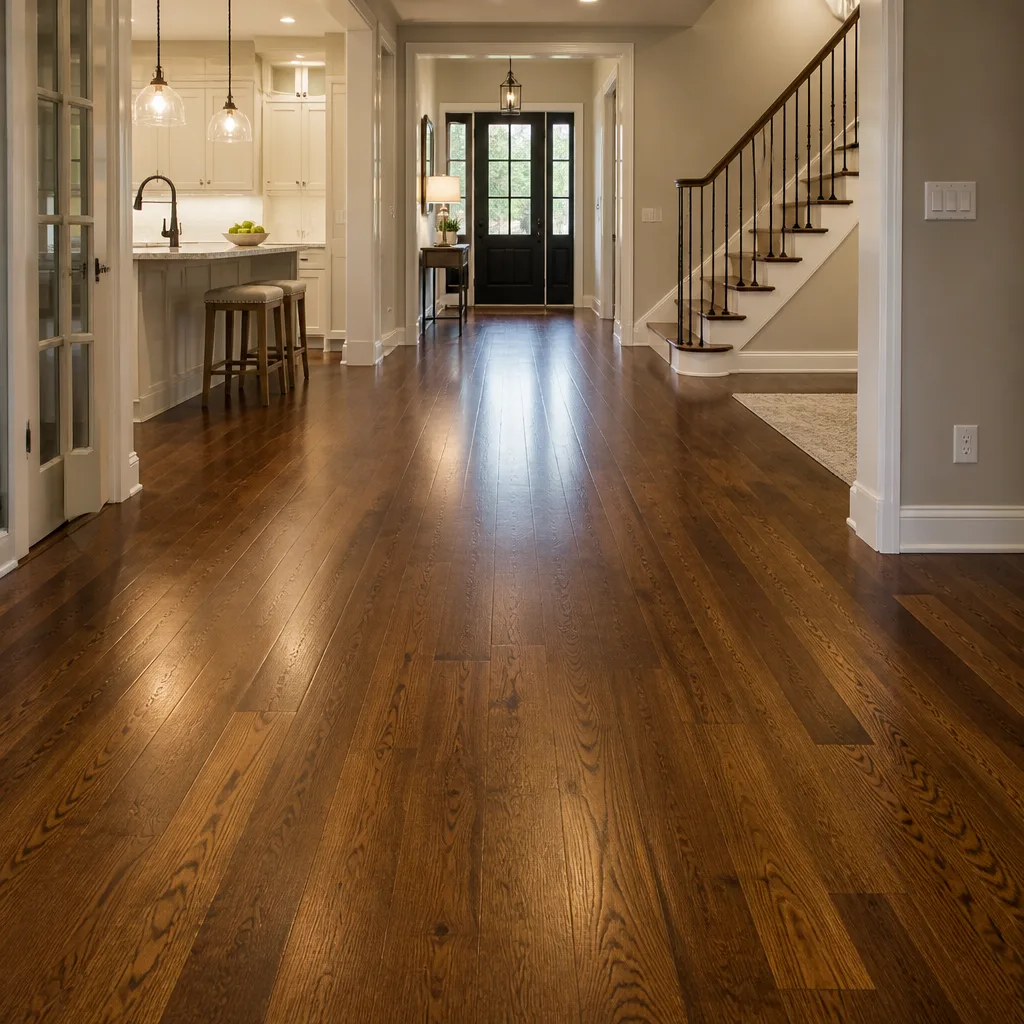 Hardwood
 Engineered hardwood
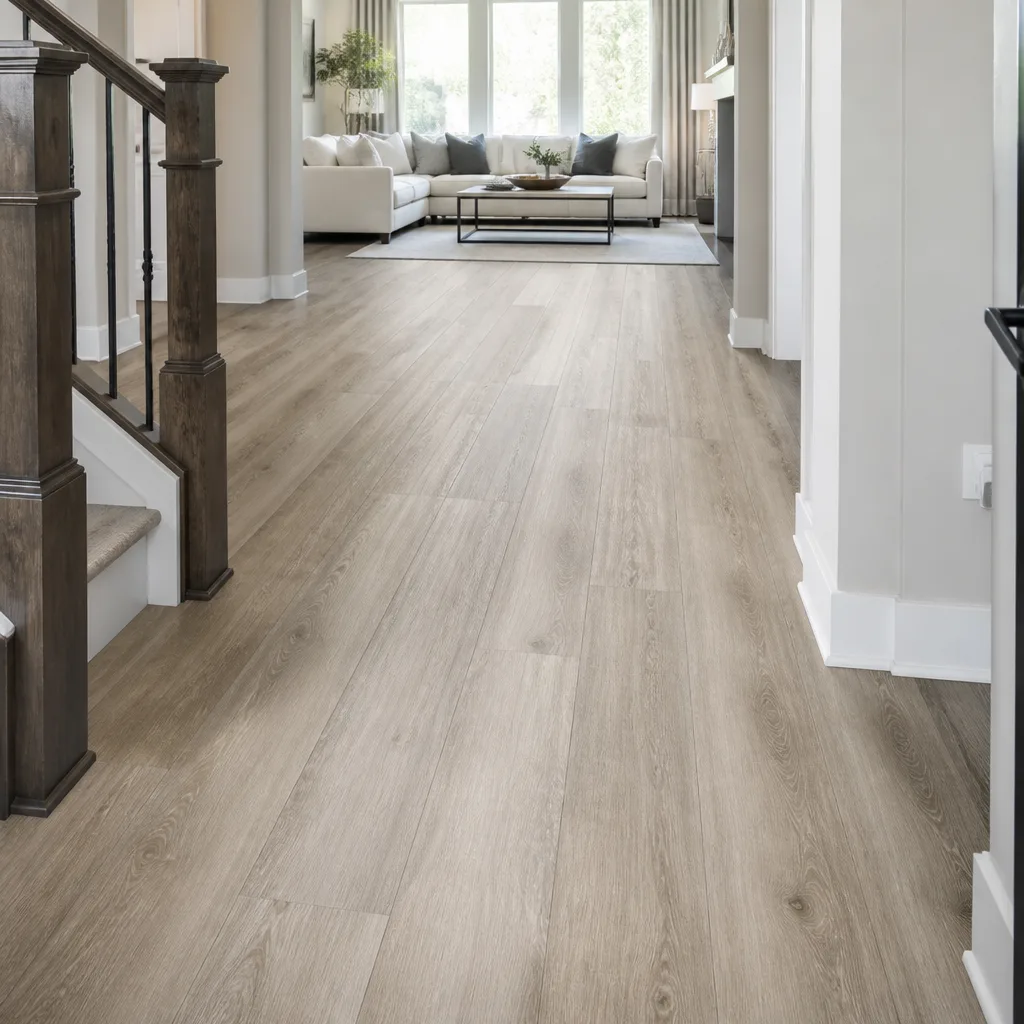 Luxury vinyl plank
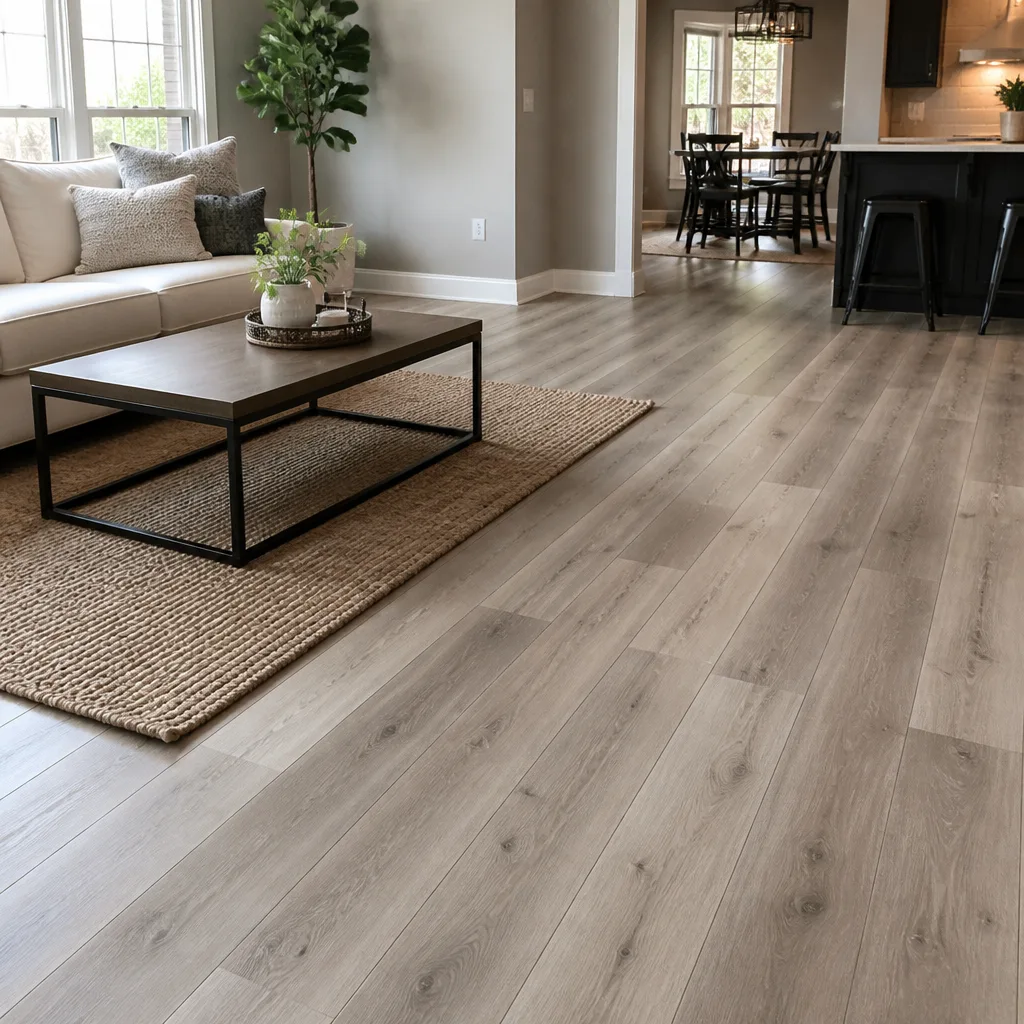 Laminate
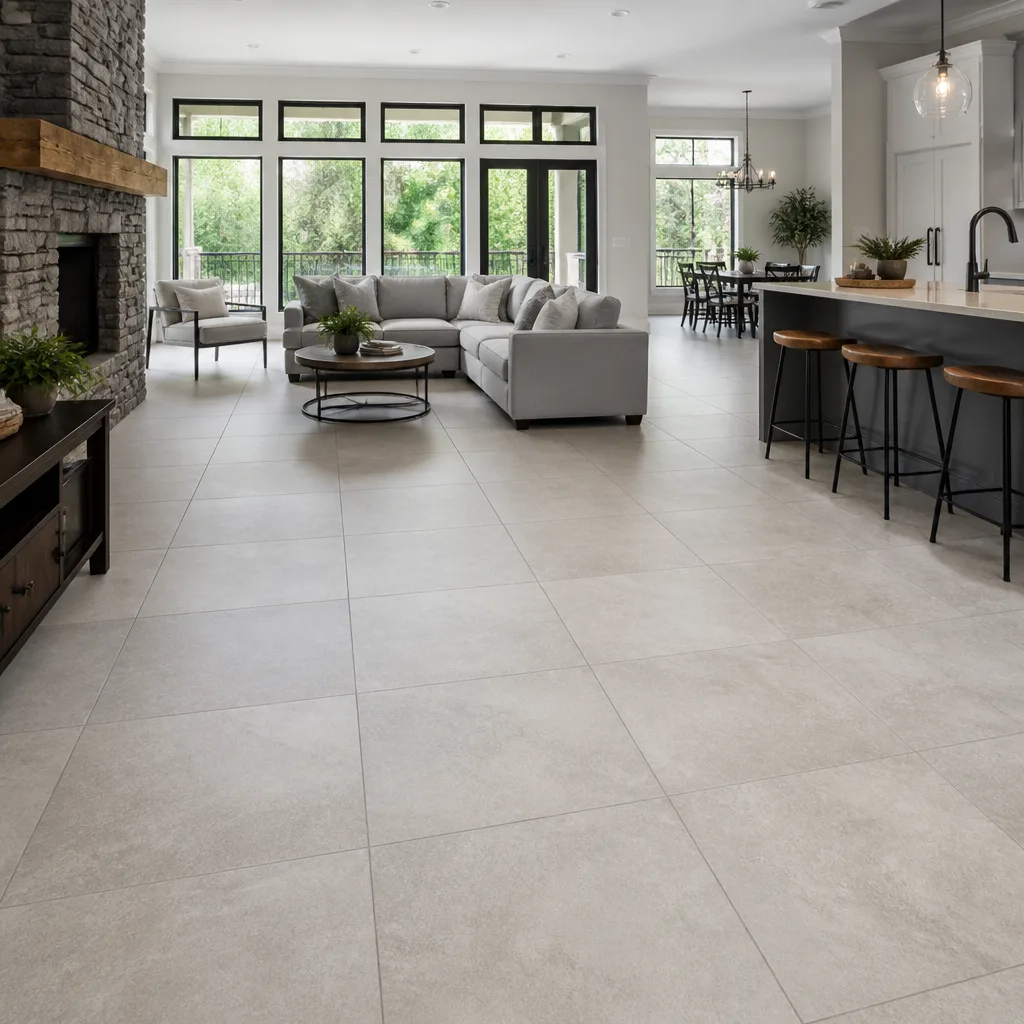 Porcelain tile
 Carpet
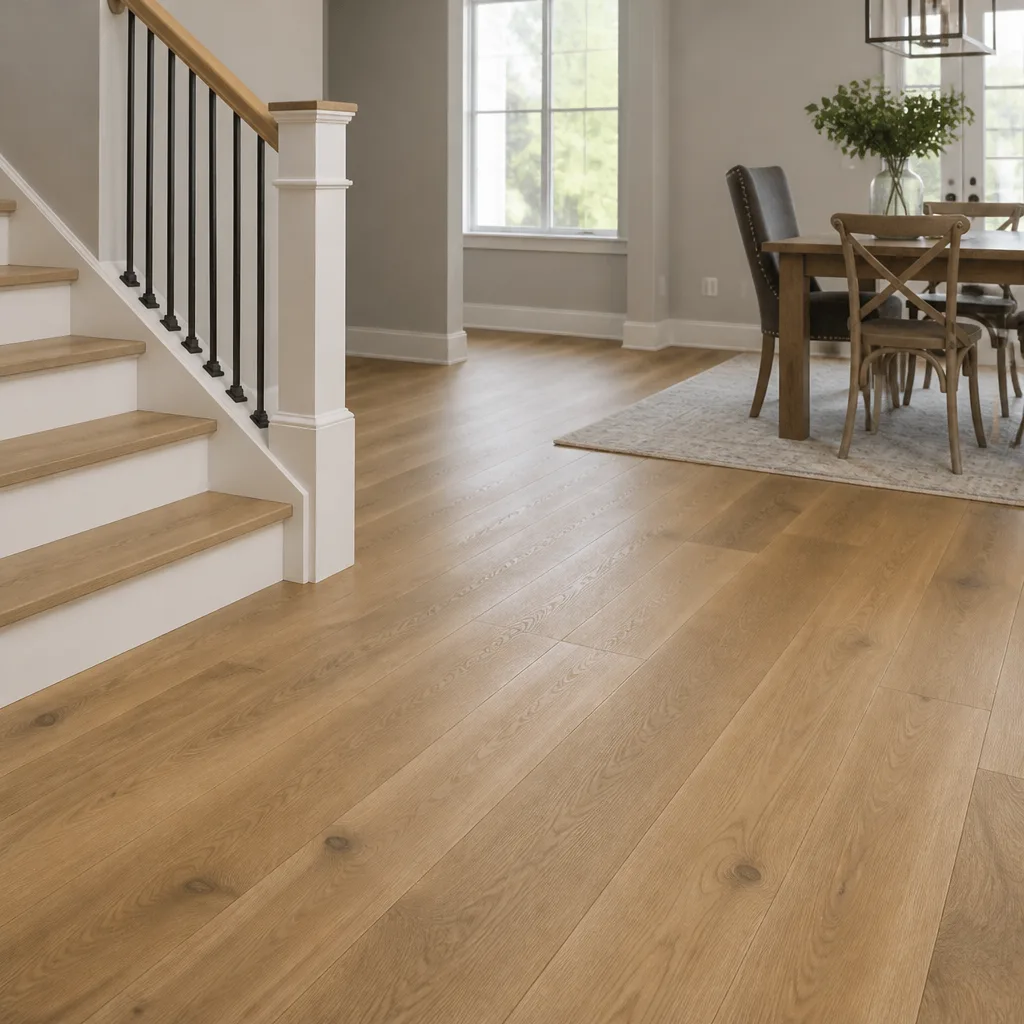 Shaw
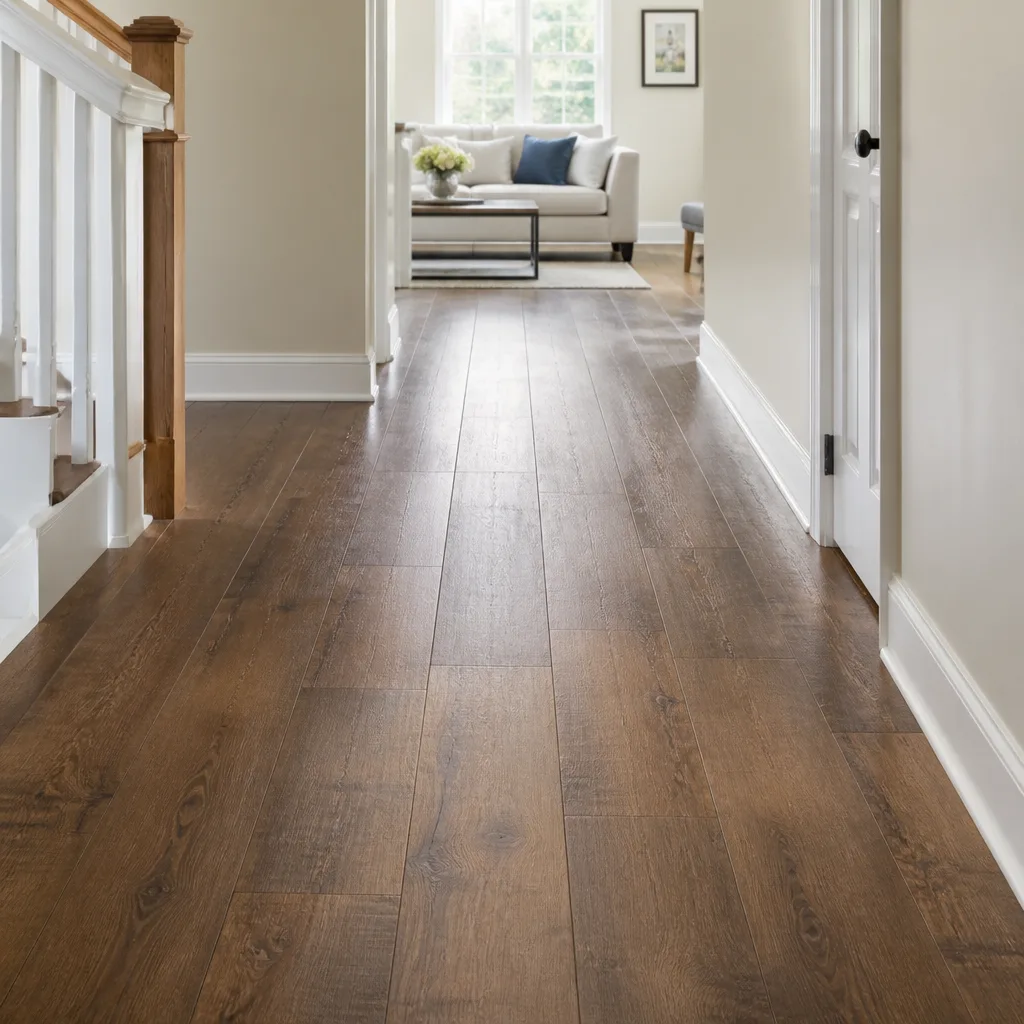 Mohawk
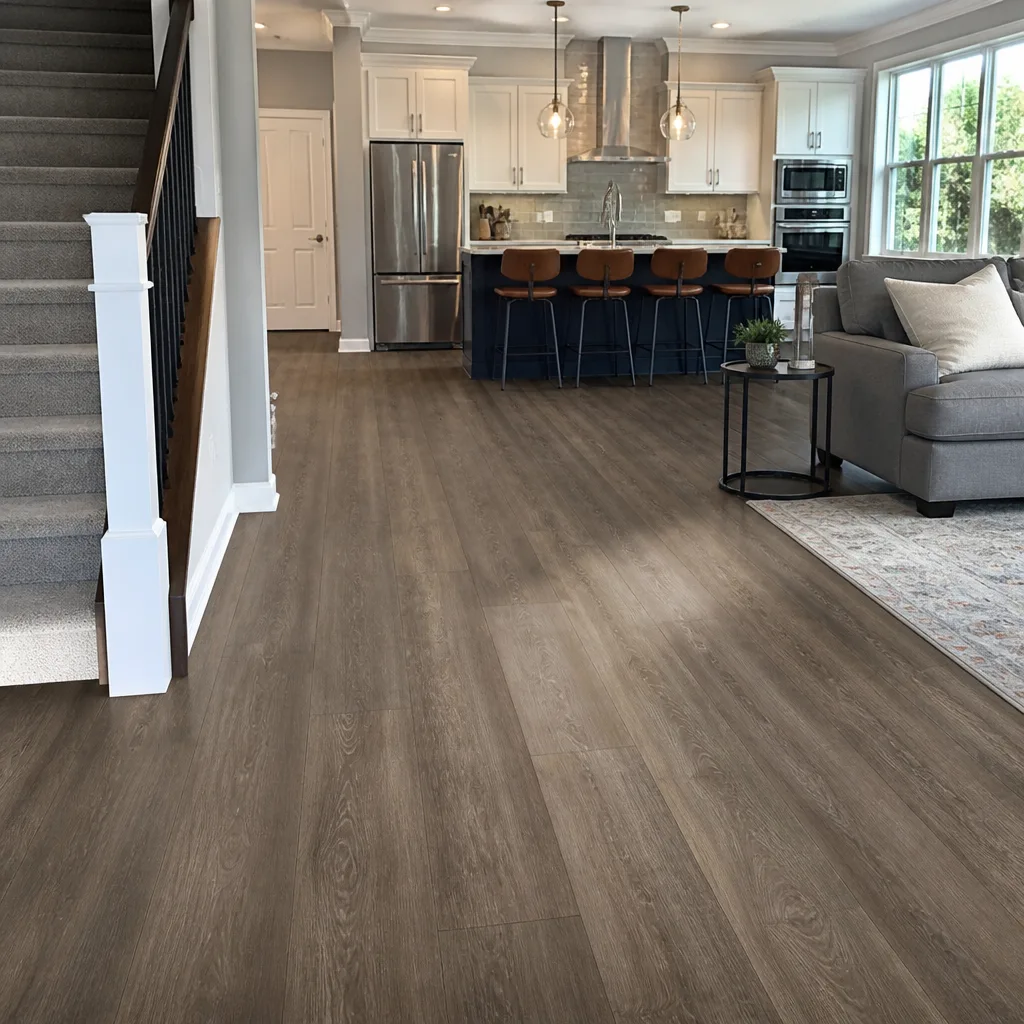 COREtec
 Pergo
Free in-home measure and written estimate: Shaw, Mohawk, COREtec and Pergo lines compared on your own rooms, with carpet, tile, vinyl plank, laminate and hardwood laid out side by side
Get your free estimateHow to Care for New Flooring: Hardwood, Vinyl, Laminate, Tile and Carpet
The number one cause of premature flooring failure isn’t wear. It’s the wrong cleaning product, applied consistently, for two years. A homeowner who mops a wood floor with a typical all-purpose cleaner every week for twenty-four months will do more damage than a household of four doing everything right. We see it in Winchester often: a beautiful new floor, still under warranty, already showing dullness or haze that no amount of buffing will fix. This guide walks through care protocols for hardwood, vinyl, laminate, tile, and carpet, calibrated for a high-desert climate with strong UV, low humidity, and real traffic. You’ll learn what each surface actually needs, what harms it, and when to call in a professional.
Quick Answer
Care for new flooring by matching the maintenance method to the material: sweep or vacuum frequently, clean with pH-neutral products formulated for that specific surface, keep indoor relative humidity between 35% and 55% to protect hardwood, and avoid steam mops on vinyl and laminate. Professional cleaning or refinishing resets the clock on any floor when surface care alone stops helping. The single biggest factor in long-term appearance is consistency, not effort.
Styles & brands we work with
- Hardwood
- Engineered hardwood
- Luxury vinyl plank
- Laminate
- Porcelain tile
- Carpet
- Shaw
- Mohawk
- COREtec
- Pergo
Table of Contents
- Caring for Hardwood in Nevada’s Dry Climate
- Vinyl and LVP: What Waterproof Really Means for Maintenance
- Laminate: The One Moisture Scenario That Destroys It
- Tile and Grout: Sealing Schedules and Cleaner Choice
- Carpet in High-UV Rooms: Fiber Fade and Vacuuming Frequency
- Seasonal Care in Winchester: Spring, Summer, and Fall Transitions
- Common Mistakes to Avoid
- When to Call a Professional
Caring for Hardwood in Nevada’s Dry Climate
Hardwood is the material most affected by where you live. In Winchester, where humidity routinely drops below 20% in summer and winter, wood naturally shrinks. That’s why gaps open between planks in the dry months and why cupping appears when moisture returns suddenly. The fix isn’t to wet-mop more. It’s to control the indoor environment and clean the surface correctly.
Target an indoor relative humidity between 35% and 55% year-round. A hygrometer is inexpensive and one of the best investments you can make after a hardwood install. In summer, run a humidifier when the number drops below 35%. In winter, if you use a whole-house humidifier, dial it back when condensation forms on windows.
Day-to-day care for a hardwood floor looks like this:
- Sweep or dry-mop daily in high-traffic zones to lift grit before it acts like sandpaper.
- Use felt pads under every piece of furniture that contacts the floor, and replace them when they wear thin.
- Wipe spills quickly with a barely damp cloth; never let water stand.
- Clean weekly with a pH-neutral hardwood cleaner applied to a microfiber mop, not poured onto the floor.
- Place mats at every exterior door to catch grit and moisture at the source.
- Avoid oil soaps and vinegar solutions; they build up and dull the finish over time.
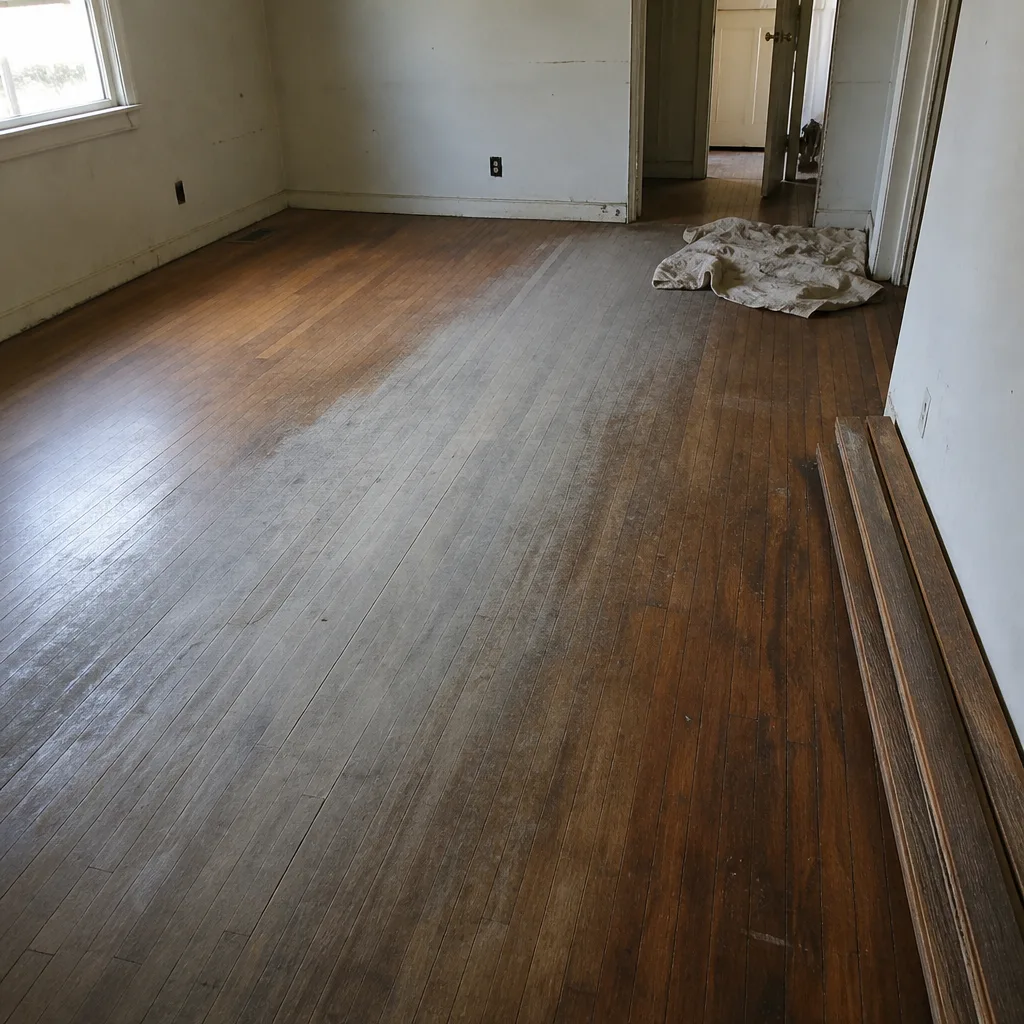
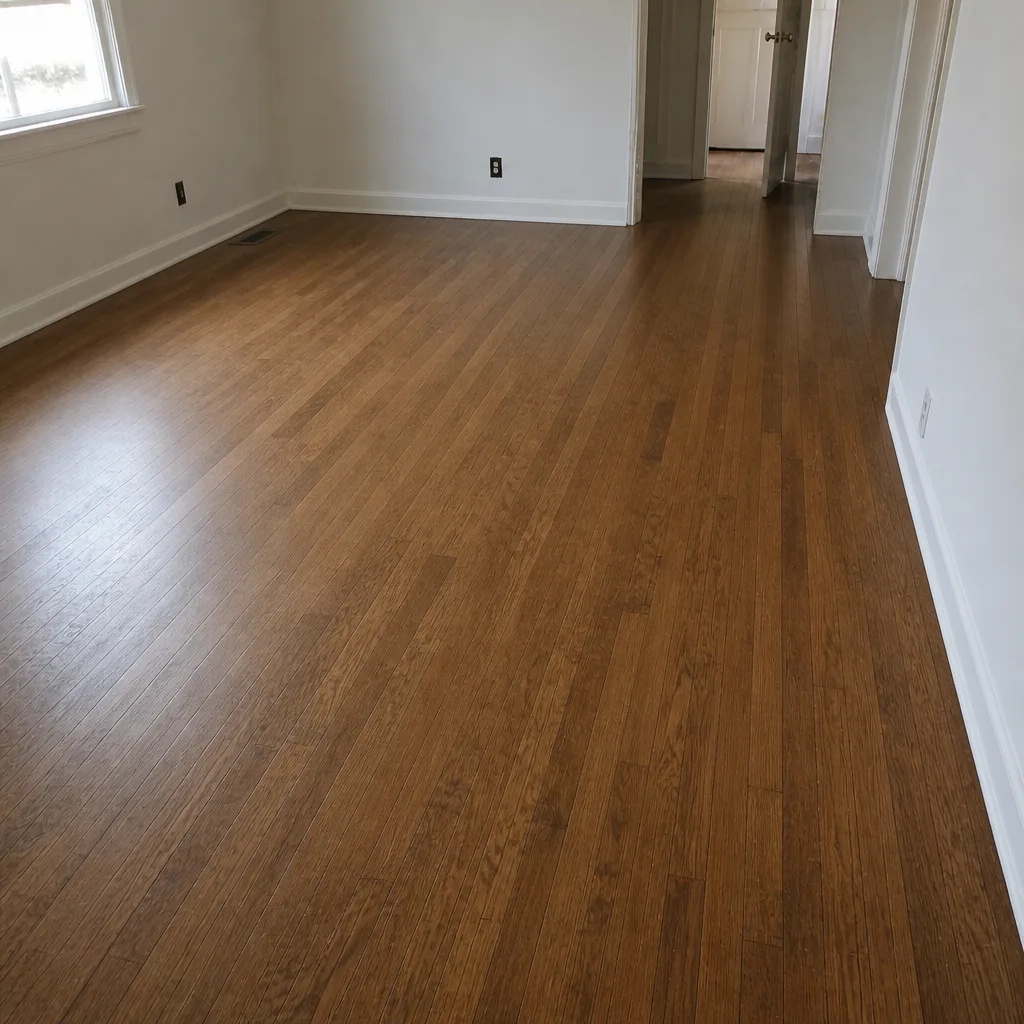
If your existing hardwood has lost its sheen, scratches have gone through the finish, or you’re seeing deep grain wear, refinishing is often the smarter move than replacement. It restores the surface and preserves original wood at a fraction of the cost of tearing it out. Our hardwood refinishing service is a core part of what we do, not an add-on.
Vinyl and LVP: What Waterproof Really Means for Maintenance
Luxury vinyl plank marketed as waterproof means the plank itself is resistant to water damage. It does not mean the floor assembly is, and it does not mean the seams are sealed tight against standing water. For maintenance purposes, “waterproof” means you don’t panic about a spill; it doesn’t mean you should leave water pooling along a wall or under an appliance. Standing moisture can still reach the subfloor, swell cabinets, or get trapped under the plank where it creates a problem you can’t see until the floor starts to move.
The bigger practical issue is the cleaning method. Steam mops force hot moisture into plank seams and eventually break down the adhesive system that holds them together. Most LVP and rigid-core warranties exclude damage from steam. That includes COREtec and Karndean products, both of which use rigid-core or click-lock constructions that don’t tolerate steam the way ceramic tile does.
Here’s what works for vinyl:
- Dry sweep or vacuum without a beater bar first.
- Use a pH-neutral vinyl cleaner applied with a damp microfiber flat mop.
- Spray the mop, not the floor, so you control how much liquid lands.
- Wipe up pet accidents and spills promptly, even on waterproof products.
- Keep walk-off mats at exterior doors; grit embeds in vinyl texture over time.
- Use felt pads under furniture and lift rather than drag heavy items.
LifeProof and COREtec products are popular in Winchester households with pets or kids for exactly this reason: the surface handles real life. But the maintenance protocol stays consistent with what we listed above. Water-resistant flooring from Mannington and Armstrong also does well in kitchens when cared for correctly, and the plank texture on hand-finished Karndean products benefits from a soft dry mop more than from regular wet cleaning.
Laminate: The One Moisture Scenario That Destroys It
Laminate is the most misunderstood flooring in this category. It’s durable, easy to clean, and handles day-to-day living well. But it has one genuine vulnerability: standing water along seams or edges. That water swells the core; the swelling doesn’t reverse when it dries; the plank edge lifts, cups, or peels. In Winchester’s dry climate, a seemingly minor leak under the sink or a slow drip from an ice maker can ruin a laminate floor within days if it goes unnoticed.
Seam protection in kitchens, laundry rooms, and bathrooms is the single best thing you can do. Where laminate meets a wet area, silicone sealant at the perimeter keeps splashes from sneaking under the plank edge. Around the dishwasher and refrigerator, check the water supply lines and drain pans every six months. In high-traffic or high-humidity rooms, a laminate floor will last years with basic care but years fewer if water finds the seams.
For cleaning:
- Vacuum with a hard-floor setting or sweep daily.
- Clean with a laminate-specific or pH-neutral cleaner, applied to a microfiber pad, not sprayed on.
- Keep the mop nearly dry; a bead of water sitting on the surface is too much.
- Never use steam, wet mopping, or wax; they damage the wear layer or void the warranty.
- Deal with spills within minutes, especially on seams and near exterior doors.
- Use area rugs in front of sinks and in entryways to intercept moisture and grit.
Pergo and Armstrong laminate products have been steady sellers in our line for years because they balance durability, price, and the maintenance easy-care lifestyle many Winchester households want. Just don’t let a slow leak undo the install.
Tile and Grout: Sealing Schedules and Cleaner Choice
Tile itself is close to indestructible under normal residential conditions. Grout is what ages. That’s true whether you have a Daltile porcelain floor in a kitchen or a ceramic tile in a bathroom. Grout is porous; it absorbs dirt and moisture; it stains; it changes color. How fast depends on the grout type and whether you sealed it.
Cement-based grout should be sealed right after installation and resealed every 12 to 18 months depending on traffic and moisture. A quick water-drop test tells you if it’s time: drip a few drops of water on the grout; if the water beads, you’re good; if it soaks in, seal it. Epoxy grout doesn’t need sealing but still needs regular cleaning.
Cleaner choice matters long-term for both tile and grout:
- Use a pH-neutral tile and grout cleaner for routine mopping; acidic cleaners (vinegar, citrus) slowly erode grout and etch polished tile.
- Skip bleach-based cleaners; they fade grout color and don’t dislodge dirt the way a neutral cleaner does.
- Sweep or vacuum daily in high-traffic zones to keep grit from grinding into grout lines.
- Address spills quickly; grout is porous and takes on color from red wine, coffee, and oil.
- Re-grout or re-color-seal if grout darkens, crumbles, or is impossible to clean.
Grout color choice affects long-term appearance more than most homeowners expect. A medium-tone grout hides dirt and traffic patterns; white grout shows every bit of use and seldom looks new after a few years. If you’re replacing a floor, work with the tile selection to pick a grout that fits how you actually live in the room.
Carpet in High-UV Rooms: Fiber Fade and Vacuuming Frequency
Carpet in a room that gets eight hours of direct sun will fade. That’s not a defect; it’s how most carpet fibers respond to sustained UV exposure. In Winchester, where summer sun is intense and window treatments often stay open, we see it especially in west- and south-facing rooms. The right approach isn’t to avoid carpet in those rooms; it’s to protect the carpet from the worst of the sun with drapes, blinds, or UV-blocking window film.
Vacuuming frequency matters as much as any cleaner choice:
- High-traffic zones (living rooms, hallways, stairs): vacuum at least every 48 hours.
- Moderate-traffic zones (bedrooms, offices): every three to four days.
- Light-traffic zones (guest rooms, formal spaces): weekly is enough.
- Pet households: add an extra pass in the pet’s main zone each vacuuming cycle.
- Use a vacuum with a HEPA filter and a beater bar for pile carpet; canister vacuums without agitation don’t lift embedded soil.
Professional cleaning resets the clock. Most carpet manufacturers recommend hot-water extraction every 12 to 18 months, and in a Winchester home with pets or kids, that interval should be the short end. Carpet fibers from Shaw and Mohawk have come a long way in stain resistance, but nothing replaces regular vacuuming and a genuine deep clean. Our carpet installation clients hear the same advice: the schedule you keep on the front end determines how long the carpet looks new.
Seasonal Care in Winchester: Spring, Summer, and Fall Transitions
Winchester’s climate is stable but not static. Summer heat and low humidity demand attention to hardwood stability; monsoon moisture can sneak in during summer storms; cooler fall temps bring the heating system online, which drops indoor humidity fast. Each seasonal transition deserves a small adjustment.
In the spring, check weatherstripping around exterior doors and windows; small air leaks let in grit and moisture that damage hard flooring. In summer, monitor indoor humidity (35% to 55% is the target for hardwood homes) and close blinds in west-facing rooms during peak sun. In fall, before the heating season starts, reseal grout if needed, and check the humidifier before the first cold snap.
Winter is the driest stretch for hardwood and the highest-risk window for gaps and cracks. If your indoor humidity is dropping below 30%, run a humidifier. A whole-house unit is best; a portable one in the main living area helps. This is one of the most important habit changes for Winchester homeowners with natural wood floors.
For tile floors, seasonal care is minimal but worth the effort: check grout lines in bathrooms and kitchens before winter for cracked or missing grout, since those gaps let moisture reach the subfloor. A quick repair at the first sign is simpler than a re-grout later. If you’re scheduling tile flooring installation during a seasonal window, the installer can address these details from day one.
Common Mistakes to Avoid
- Steam-mopping vinyl and laminate. Both surfaces are damaged by sustained steam, even on products marketed as waterproof. Most warranties exclude steam damage, so the cost of that habit is on you.
- Wet-mopping hardwood in dry months. In Winchester’s low-humidity summers, excess water on a wood floor can lead to cupping as moisture migrates into dry planks. Use a barely damp microfiber mop instead.
- Ignoring grout sealing schedules. Daltile and other porcelain tile floors look pristine years later when grout is sealed every 12 to 18 months; unsealed grout darkens and stains permanently.
- Using vinegar or acidic cleaners on tile and grout. It’s the fastest way to degrade cement-based grout and dull the surface. pH-neutral products are what professional installers recommend.
- Vacuuming carpet once a week in high-traffic zones. Twice-weekly is the minimum in active zones; anything less lets embedded soil grind fibers down.
- Letting carpet sit under direct sun without window protection. Carpet fade is permanent; UV-blocking window treatments are the cheapest prevention.
- Allowing standing water near laminate seams. A slow drip under the fridge or sink will do more damage in a week than a year of normal foot traffic.
When to Call a Professional
Most new flooring care is a homeowner’s job: sweeping, vacuuming, damp-mopping with the right cleaner, and adjusting humidity. Professional help belongs in a few specific situations. Call us when hardwood has cupped, gapped beyond seasonal norms, or lost its finish; when laminate has swollen at a seam and no amount of drying will reset it; when grout is crumbling or stained beyond routine cleaning; or when carpet has lost its loft, developed a persistent odor, or is overdue for hot-water extraction. We also handle full replacement and re-installation if a floor has reached the end of its service life. Flooring Winchester offers free estimates in Winchester. Call (844) 761-8337. We answer 24/7. Fast dispatch from 7am to 7pm, Sunday through Friday. Our technicians have up to 8 years of experience, and our team works with nine brands under one roof, from Shaw and Mohawk carpet to Daltile tile.
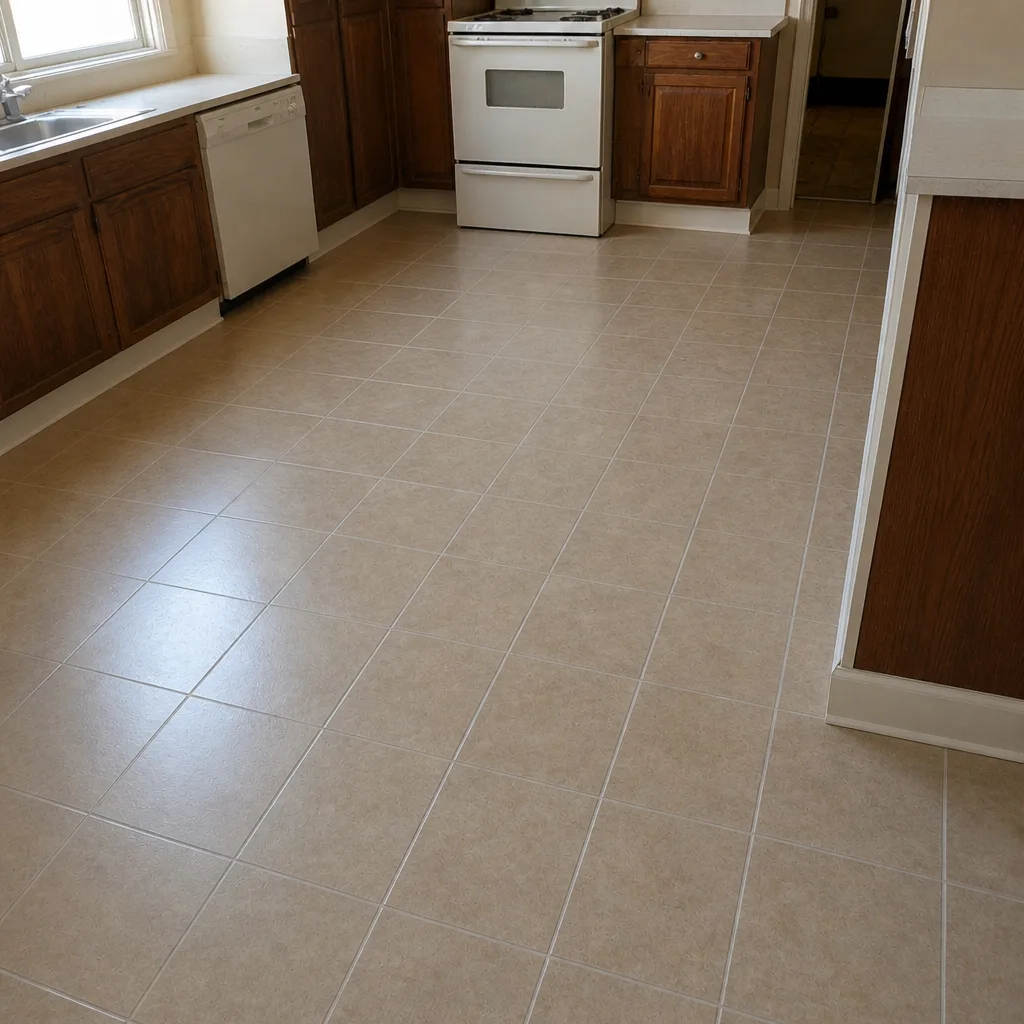
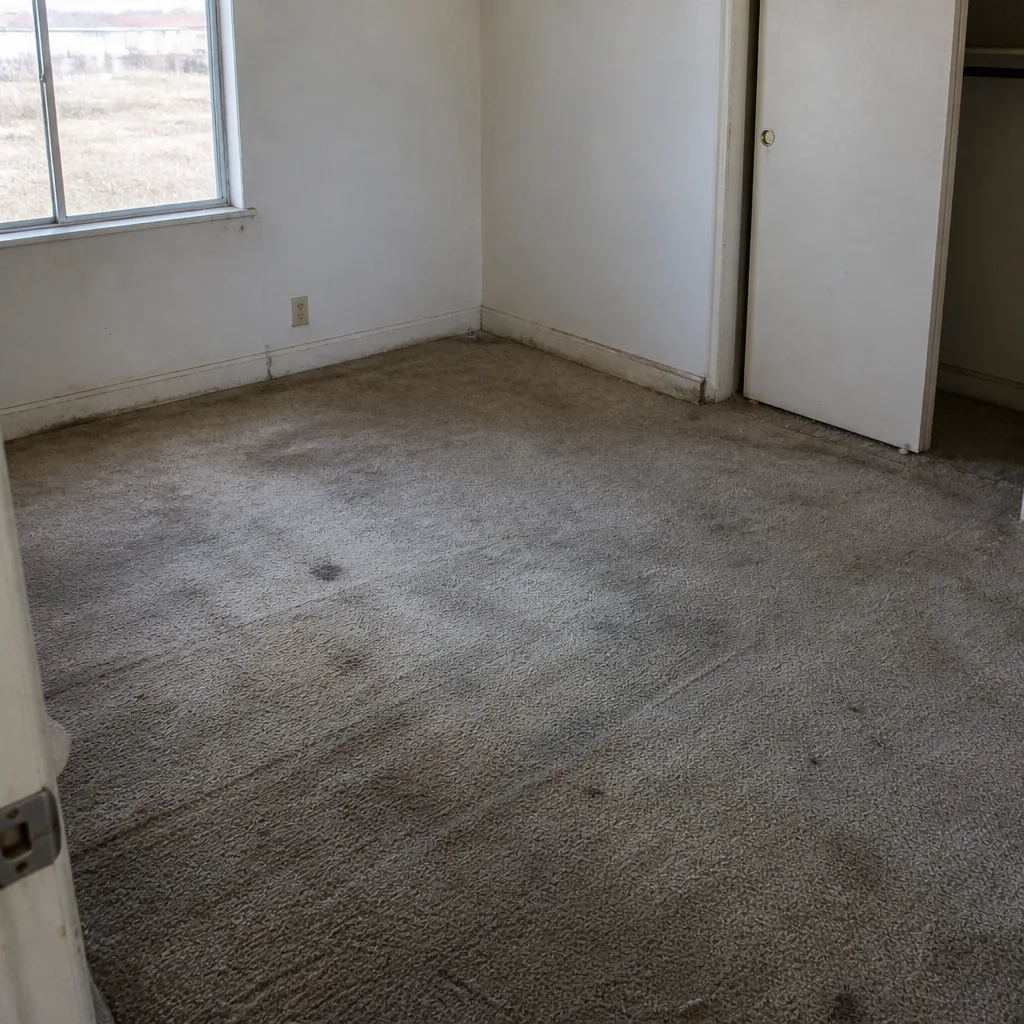
See the difference
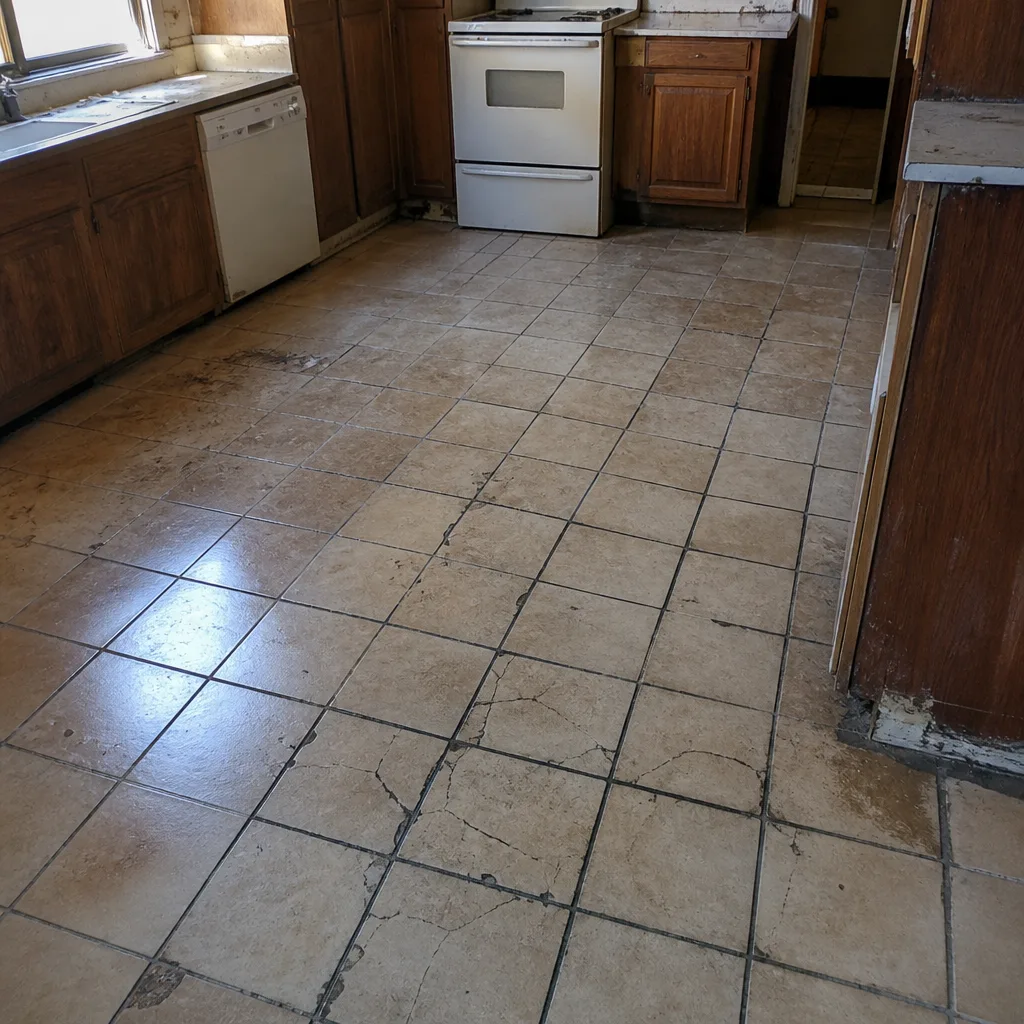 Before
 After
 Before
 After
 Before
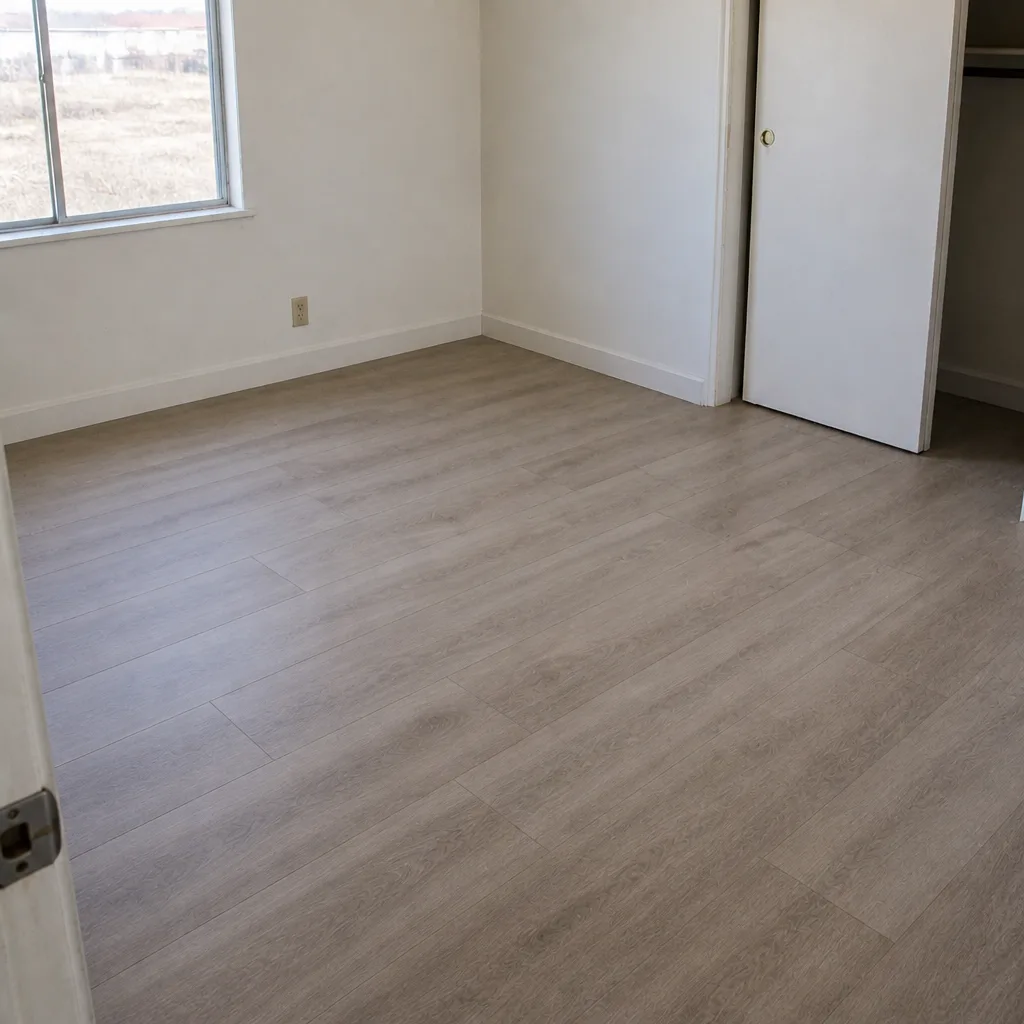 After
Frequently Asked Questions
Daily dry-dusting or sweeping and weekly cleaning with a pH-neutral hardwood cleaner is the standard. If the floor gets heavy foot traffic or pets, clean twice a week. The key is avoiding over-wetting: a microfiber mop barely damp with the right cleaner is more effective than a wet mop with anything else. Call (844) 761-8337 for an exact plan and a free estimate if you’re considering refinishing.
Yes: it needs protection from steam and standing water. Waterproof refers to the plank, not the assembled floor, and seams can still let moisture through to the subfloor. Use a damp microfiber mop and a pH-neutral vinyl cleaner instead of a steam mop. Products like COREtec and Karndean hold up beautifully under that protocol. Call (844) 761-8337 for an exact quote on new vinyl flooring if you’re still choosing.
Gapping happens because indoor humidity is dropping below what the wood was manufactured to hold. In Winchester, summer humidity regularly falls below 30%, and wood shrinks. Running a humidifier to keep indoor relative humidity between 35% and 55% minimizes it. If the gaps don’t close in cooler months, or the boards cup, call (844) 761-8337 for an inspection.
A small, quickly wiped spill won’t hurt laminate. The damage comes from water that sits along the plank seams and reaches the core. Kitchen and bathroom laminate needs seam protection and a prompt response to leaks. If your laminate is already showing edge swelling, it usually needs replacing. Call (844) 761-8337 for a free estimate.
Cement-based grout should be sealed on installation and resealed every 12 to 18 months. If the grout darkens or the water-drop test shows absorption, it’s time. Epoxy grout doesn’t need sealing. Daltile tile floors hold up well when the grout is maintained. Call (844) 761-8337 for an exact quote on re-grouting or new installation.
Yes, at the interval your carpet manufacturer recommends (typically every 12 to 18 months). Regular vacuuming removes surface soil, but embedded soil needs hot-water extraction, and that’s the only cleaning that resets fiber appearance. In homes with pets or kids, plan on the shorter end. Call (844) 761-8337 for a free estimate on Flooring Winchester services or new carpet.
The Bottom Line
Flooring care comes down to four habits: use the right cleaner for the material, keep humidity in the 35% to 55% range for hardwood, protect seams and edges from moisture, and vacuum or sweep consistently. Everything else is detail. If you can do those four things, a quality install from a brand like Shaw, Mohawk, Daltile, or Karndean will hold up beautifully for years. When surface care stops being enough, refinishing or replacement is the reset. If you’re shopping for new flooring or considering refinishing, we work throughout Winchester and offer free estimates. Our team handles carpet, tile, and hardwood refinishing with nine brands available, so the recommendation fits your household rather than the highest-margin product on the shelf. Call (844) 761-8337 to schedule your free estimate. We answer 24/7. Fast dispatch from 7am to 7pm, Sunday through Friday.
Written by the team at Flooring Winchester.